


 Indian students win $200,000 after campus food dispute, say they won’t return to US
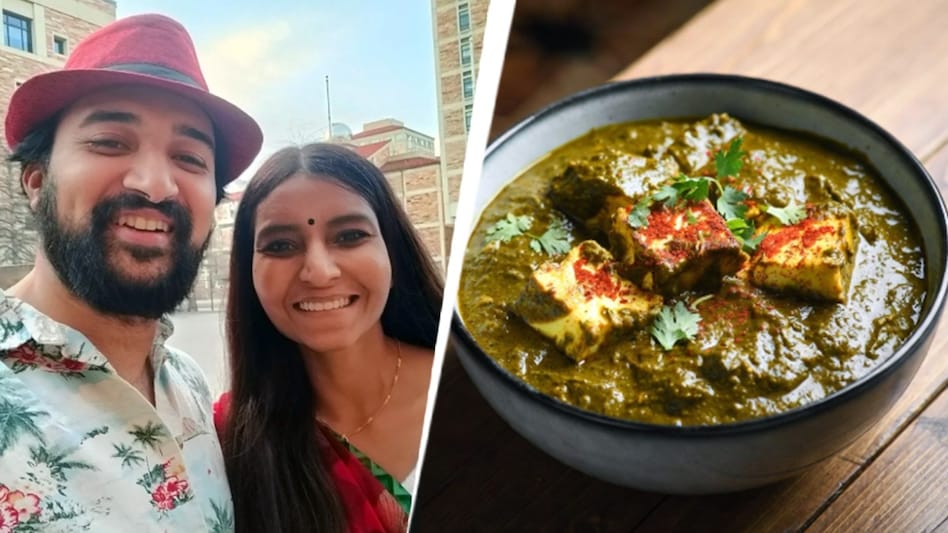
A dispute over heating a lunch of palak paneer at a campus microwave escalated into a civil rights lawsuit and a $200,000 settlement, ending the US academic careers of two Indian PhD students and prompting their return to India, The Indian Express reported.
According to the report, the incident dates back to September 5, 2023, about a year after Aditya Prakash joined the University of Colorado Boulder’s Anthropology Department as a fully funded PhD student. While heating his lunch at a departmental microwave, Prakash said a staff member approached him, complained about the “smell”, and told him not to use the microwave. The smell was “pungent”, she said, according to Prakash.

 HSBC plans India equity broking return amid IPO boom, says report
 Biggest risk is regulatory risk...: Nithin Kamath warns fintech valuations face rule-change risk after IRDAI commission proposals
 NSE becomes Asia's second most-valued stock exchange, m-cap at $46.89 billion
 NSE share price: PL Capital roots for capital market goliath, sets target of Rs 1,950
 BT Big Story: Is 66% = zero? The Tata Sons question on everyone’s minds
  MDR Levy: Will Retail Trading Volumes Take A Hit? | NSE Chairman Srinivas Injeti
 NSE Lists At ₹1,800: Exclusive Post-Listing Interview With India's Largest Exchange
 From Mobile Trading To AI: How NSE Plans To Protect Market Integrity
 NSE On India’s Capital Markets Growth | IPOs, REITs, InvITs And More
 NSE On Its Next Growth Phase | Electronic Gold Receipts, Coal & Bond Index Futures
 HSBC plans India equity broking return amid IPO boom, says report
 Whirlpool of India clarifies on promoter stake sale report; stock slips
 From Azim Premji to DMart’s Radhakishan Damani: The famous investors sitting on thousands of crores in NSE shares
 Solar Industries stock gets 'Buy' call on defence push and global explosives growth
 BTTV Exclusive | NSE CEO Ashish Chauhan says new products to drive diversification, calls EGRs transformational
 UPI needs greater investment, resilience as ecosystem costs rise: NPCI CEO Dilip AsbeBiggest risk is regulatory risk...: Nithin Kamath warns fintech valuations face rule-change risk after IRDAI commission proposalsHSBC plans India equity broking return amid IPO boom, says report
 Opposition may move impeachment motion against Gyanesh Kumar: Here's how CEC can be removed MDR Levy: Will Retail Trading Volumes Take A Hit? | NSE Chairman Srinivas Injeti












