Nike Mind 001 Mule: A Footwear Experiment in Neuroscience
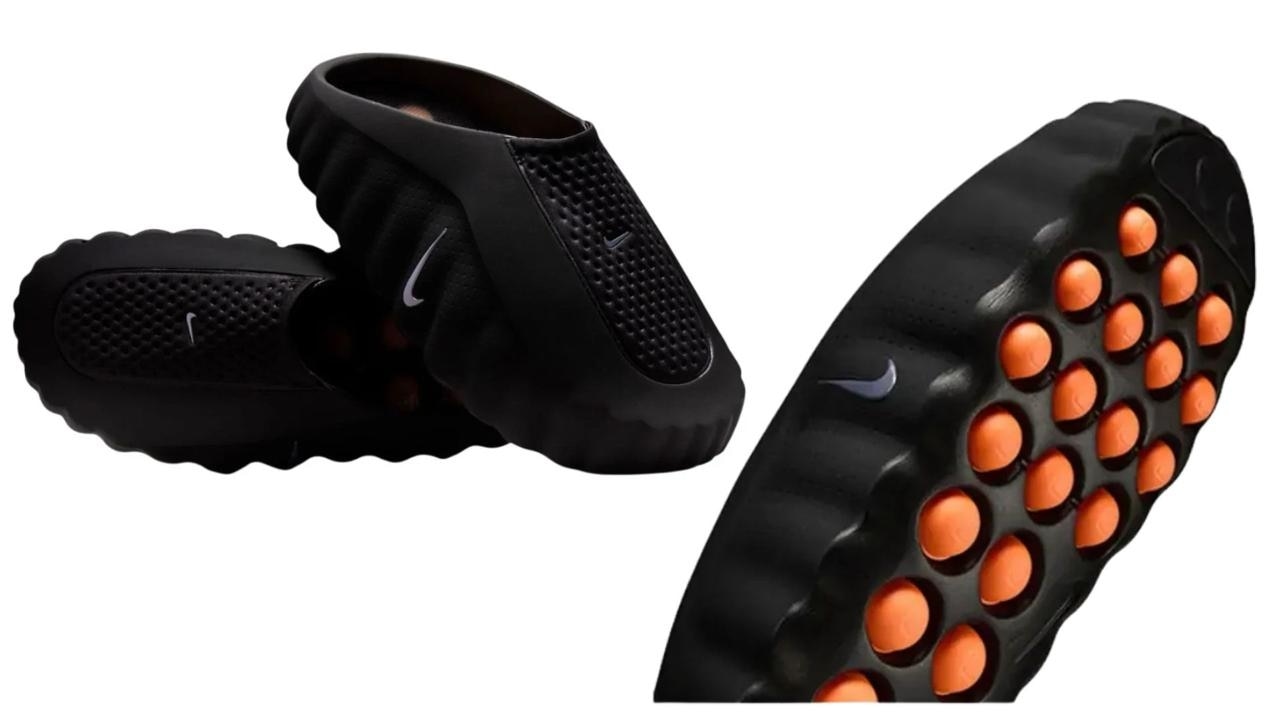
The Nike Mind 001 Mule is easily the most radical shoe in this lineup, not because of how it looks, but because of what it is trying to do.
At the centre of the design is Nike’s “Activate Your Senses” philosophy, developed within its Mind Science division. Instead of treating the foot as something to cushion and protect, the Mind 001 treats it as a sensory organ. The outsole features 22 independently moving nodes, each engineered to compress and rebound vertically under pressure. These nodes create a constantly shifting interface between your foot and the ground.
From a technical standpoint, this is a departure from conventional recovery footwear, which tends to prioritise uniform softness. Here, the goal is variability. Each step produces a slightly different pattern of stimulation, engaging mechanoreceptors in the sole. The idea is that this stimulation feeds back into the nervous system, activating sensory pathways that are often dulled by long periods in traditional shoes.
The midsole foam plays a supporting role. It is soft enough to absorb baseline impact, but not so soft that it negates the effect of the nodes. This balance is crucial. Too much cushioning would isolate the foot, undermining the sensory intent. Too little would make the experience fatiguing.
The footbed uses a stretch textile layer that allows the nodes to move freely while maintaining a consistent surface feel. This detail becomes more important over time, as it prevents friction and ensures that the sensation remains controlled rather than abrasive. The knitted upper, with its perforated structure, enhances breathability, which matters because the shoe is clearly designed for barefoot wear.
There are also practical engineering touches that ground the concept in usability. Rubber pods at the heel and forefoot provide targeted durability and traction, preventing excessive wear in high contact zones. The geometry of the mule ensures easy entry and exit, reinforcing its role as a transitional, recovery focused product.
Living with the Mind 001 over several days reveals its real impact. It subtly alters posture. You find yourself standing differently, shifting weight more frequently, adjusting your stance in response to the micro stimulation. Walking becomes less automatic and more deliberate.
It is not a universal comfort shoe. For long, fast paced urban walking, it can feel distracting. But that is almost beside the point. This is a shoe designed for decompression, for slowing down, for reconnecting with physical sensation after prolonged activity.
New Balance 1080 v15: Infinion and the Pursuit of Consistency
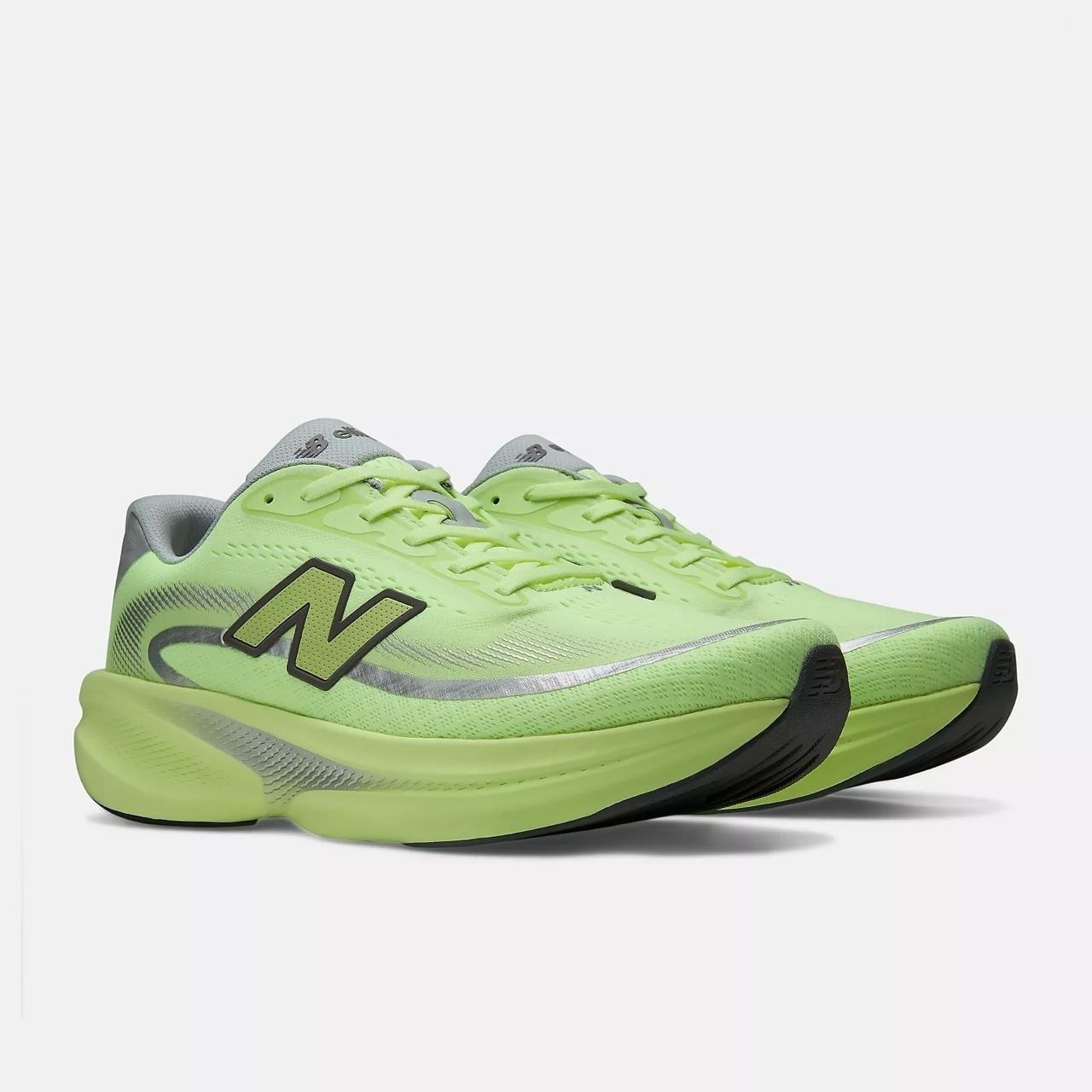
The New Balance 1080 v15 takes a more traditional route, but with a significant technical evolution.
The introduction of the Infinion midsole marks a shift in how New Balance approaches cushioning. While previous iterations leaned heavily into plushness, Infinion is engineered for durability and long term performance. The foam is designed to maintain its structural integrity over extended use, reducing the degradation that often affects softer compounds.
From a materials perspective, this means a more resilient cell structure within the foam. It compresses under load to absorb impact, but rebounds with a controlled elasticity that resists permanent deformation. Over time, this results in a more consistent ride, even after significant mileage.
On foot, the immediate sensation is slightly firmer than ultra plush trainers, but more stable. The cushioning does not collapse excessively, which helps maintain alignment through the gait cycle. This is particularly noticeable during longer sessions, where excessive softness can lead to fatigue due to instability.
The geometry of the midsole complements this behaviour. The transition from heel strike to toe-off is smooth and predictable, aided by a subtle rocker profile that reduces the energy required to move forward. It is not an aggressive propulsion system, but rather an efficiency enhancer.
The upper is constructed from engineered mesh with zonal support. Areas that require flexibility, such as the forefoot, are more open and adaptive, while the midfoot provides structure to keep the foot secure. This balance allows for natural movement without sacrificing stability.
What makes the 1080 v15 particularly compelling is its versatility. It is designed as a daily trainer, but its durability and comfort make it equally suited to extended periods of casual wear. It handles walking, standing, and travel with the same quiet competence as it handles running.
Over time, its value becomes clearer. This is not a shoe that impresses in the first five minutes with exaggerated softness. Instead, it reveals its strengths over hours and days, maintaining comfort and support without noticeable decline.
New Balance Ellipse: Recalibrating Foam for Expression
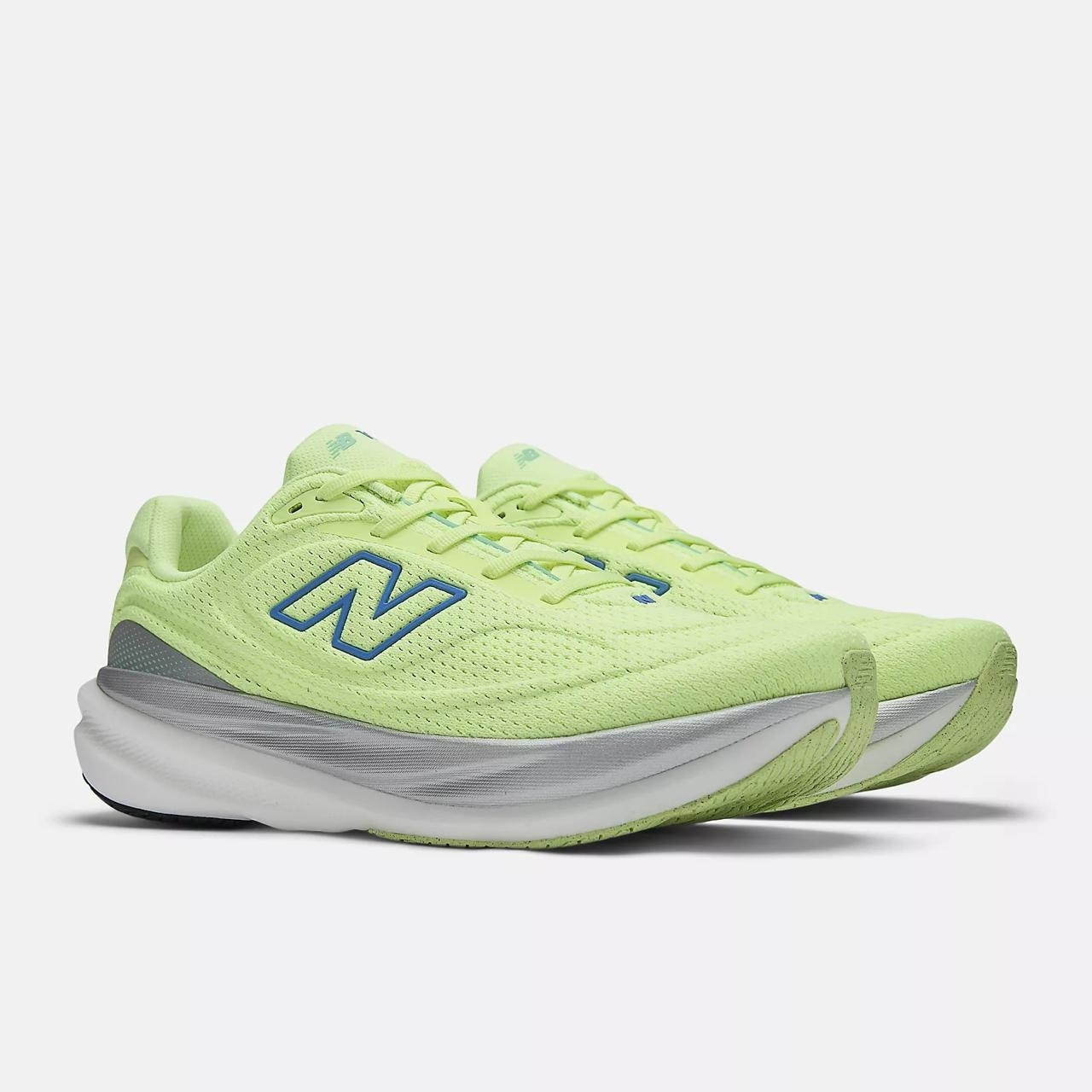
The New Balance Ellipse represents a different kind of innovation. Instead of introducing entirely new materials, it reinterprets existing ones.
Built around Fresh Foam X, the Ellipse shifts the tuning of the foam to create a more dynamic underfoot experience. Where performance oriented models use the foam for controlled cushioning, the Ellipse allows for greater rebound, resulting in a noticeably bouncier feel.
This is achieved through both material tuning and geometry. The foam itself is less constrained, allowing for deeper compression and more pronounced energy return. At the same time, the exaggerated curvature of the midsole encourages a rolling motion that amplifies this effect.
The result is a gait that feels fluid rather than linear. Each step transitions smoothly into the next, with a slight spring that adds a sense of momentum to everyday walking.
The upper is intentionally simplified. It does not attempt to lock the foot down in the way a performance shoe would. Instead, it prioritises comfort and ease, allowing the foot to move naturally within the structure of the shoe.
Visually, the Ellipse leans heavily into its sculptural identity. The midsole becomes the defining feature, with its flowing lines and exaggerated proportions creating a silhouette that feels closer to design object than athletic gear.
This has a direct impact on how it is worn. The shoe becomes a focal point, influencing the rest of the outfit rather than blending into it. It sits comfortably within a fashion context, bridging the gap between performance heritage and contemporary design.
From a wear perspective, it excels in casual settings. The bounce adds energy to everyday movement, while the softness ensures comfort over extended periods. It is not built for technical running, but that is not its purpose.
ASICS Superblast 3: FF LEAP and the Efficiency Equation
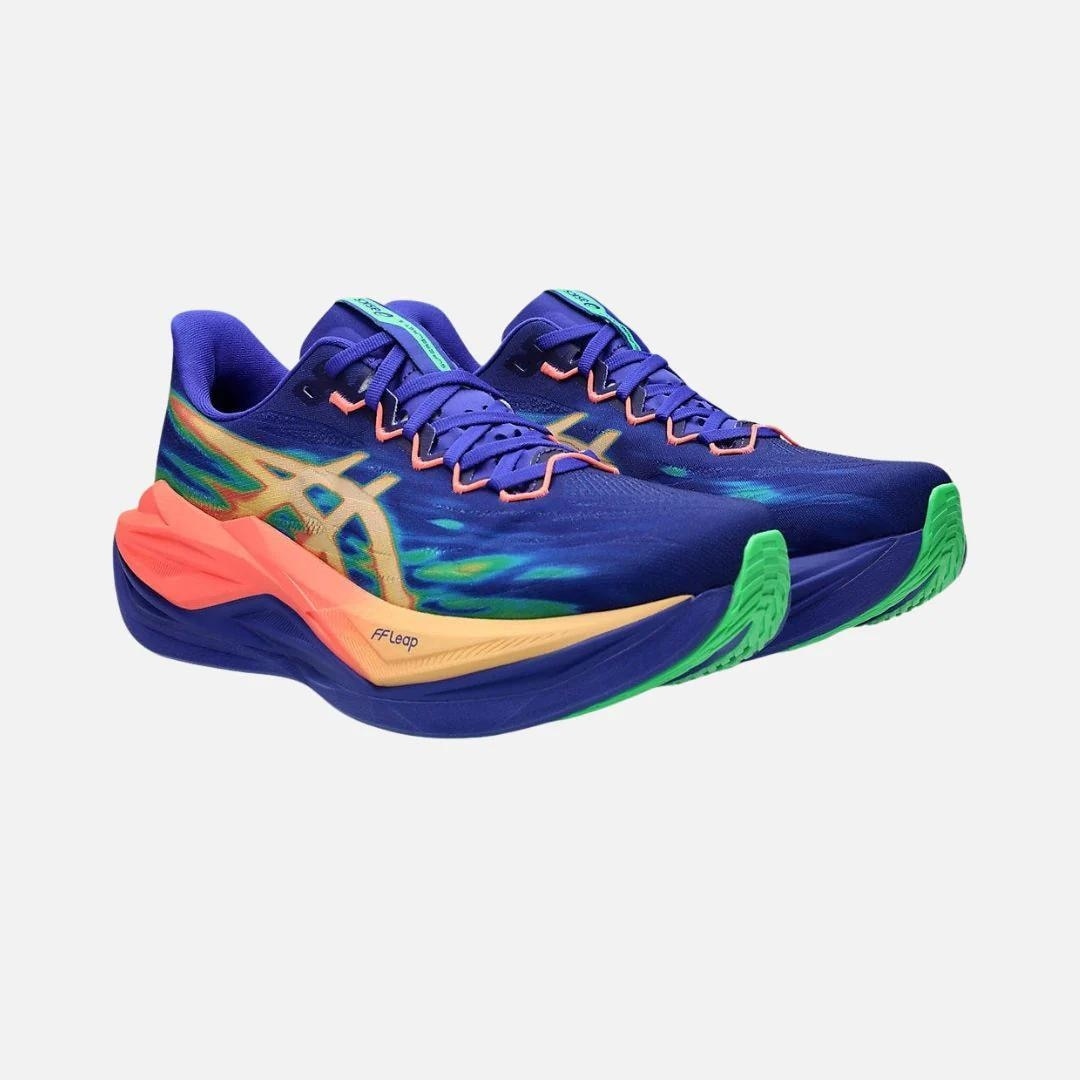
The ASICS Superblast 3 remains firmly rooted in performance, but its evolution reflects broader changes in the category.
The introduction of FF LEAP as the primary midsole compound is central to this. Designed to be lighter and more responsive than previous ASICS foams, FF LEAP focuses on energy return without adding unnecessary mass.
Technically, the foam achieves this through a refined structure that allows for rapid compression and rebound. When the foot strikes the ground, the foam compresses to absorb impact. As weight shifts forward, it releases that stored energy efficiently, contributing to forward propulsion.
The high stack height enhances cushioning, reducing impact stress over long distances. However, stability is maintained through careful shaping of the midsole rather than rigid support structures. The base is wide enough to provide balance, while the geometry guides the foot through a natural motion path.
Breathability and weight management are also key considerations. Despite its substantial cushioning, the shoe feels relatively light, which is critical for maintaining efficiency during extended runs.
What distinguishes the Superblast 3 is how it balances these elements. It delivers high level performance without feeling overly specialised. This makes it more accessible to a wider range of users, including those who prioritise comfort over speed.
In a lifestyle context, it offers a level of cushioning that few other shoes can match. While it is clearly designed for running, it transitions surprisingly well into everyday wear, particularly for those who spend long hours on their feet.
Adidas Cloudfoam Flex Rapidfit: The Value of Simplicity
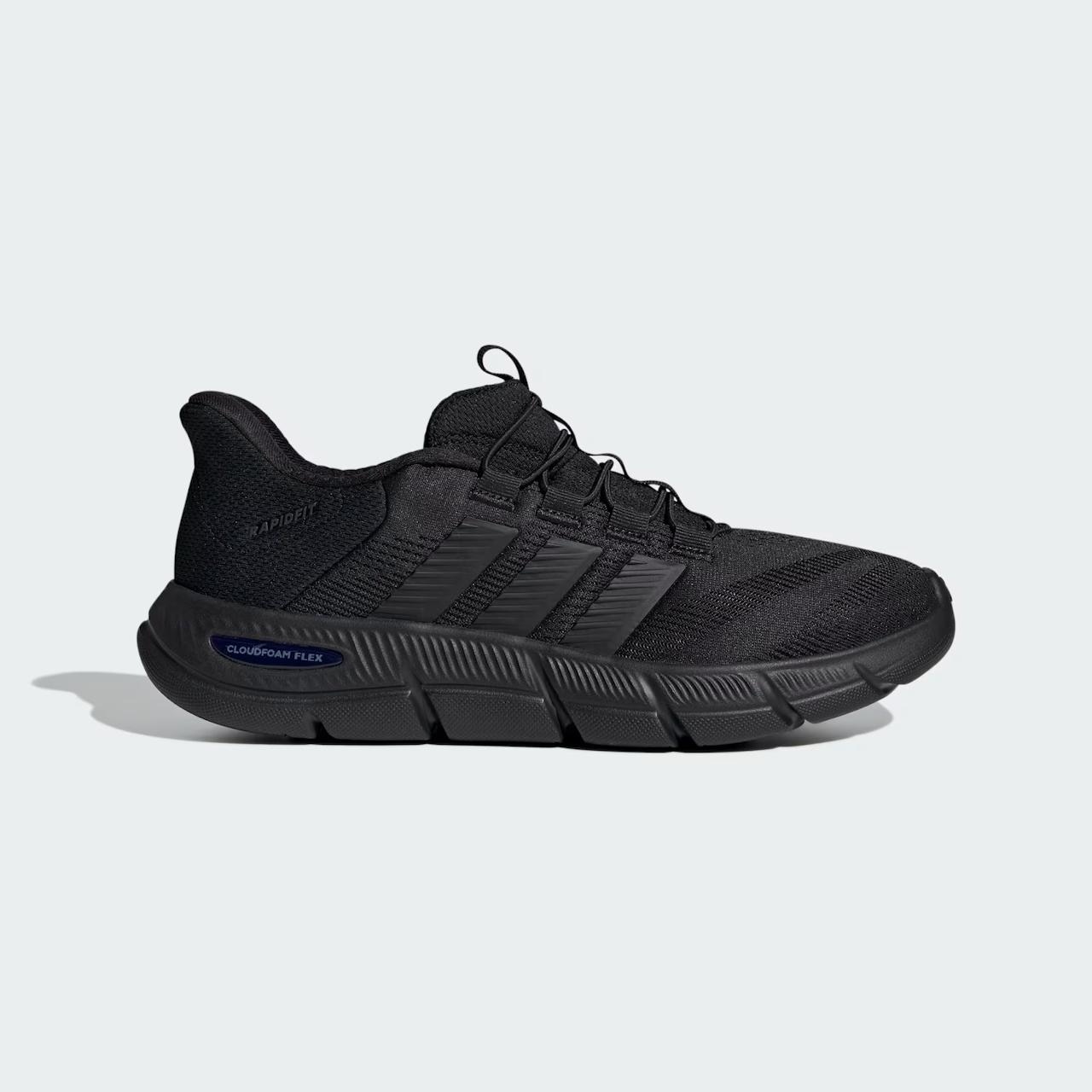
The Adidas Cloudfoam Flex Rapidfit may not carry the same level of technical complexity, but its design reflects an equally important aspect of the market.
Cloudfoam cushioning is engineered for immediate comfort. The foam compresses easily under load, providing a soft landing without requiring a break in period. While it does not offer high energy return, it excels in reducing impact for everyday activities.
The Flex Rapidfit construction focuses on adaptability. The upper is designed to stretch and conform to the foot, reducing pressure points and accommodating a range of foot shapes. This makes it particularly accessible for casual wear.
The slip-on design reinforces this focus on ease. It removes friction from the experience of wearing the shoe, making it ideal for quick transitions and low effort use cases.
Underfoot, the cushioning remains consistent. It does not degrade quickly under normal use, and while it lacks the advanced properties of premium foams, it delivers reliable comfort.
In the broader context of the category, it highlights an important point. Not every innovation needs to be complex. Sometimes, the most valuable feature is simplicity executed well.
Where Sneakers Go From Here
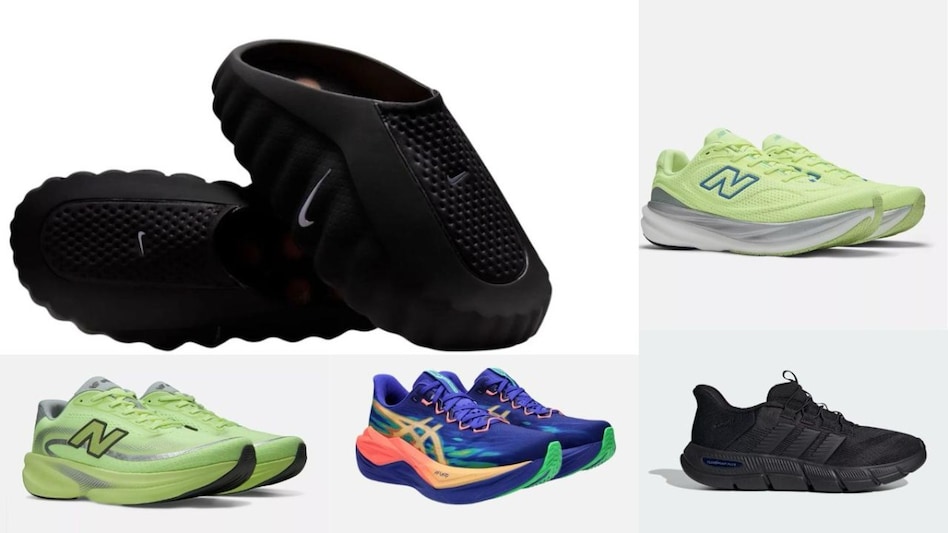
Across these five shoes, the direction is clear.
The Nike Mind 001 explores sensory activation. The 1080 v15 focuses on long term material resilience through Infinion. The Ellipse reshapes foam behaviour for lifestyle use. The Superblast 3 advances performance with FF LEAP. The Cloudfoam Rapidfit simplifies comfort for everyday wear.
This is not a single trend, but a diversification of purpose. Sneakers are no longer trying to do one thing better than everything else. They are trying to do specific things more intelligently.
And that may be the most important shift of all.
















 Sneakers are no longer trying to do one thing better than everything else. They are trying to do specific things more intelligently.
 Gold at $5,000 by mid-2027? The forces behind the longer-term outlook
 Anthropic says Claude now leads 26% of its AI R&D work: How fast is AI development accelerating?
 100% tariffs immediately? What Trump’s new Russia sanctions law means for India
 2026 Skytrax World Airline Awards: Air India secures gets Best Airline in India award
  H-1B visa: Trump admin extends $100,000 employer fee till Sept 2027, tightens job-replacement rules
 Corporate Vs Personal Health Insurance: Which Is Better On A Budget?
 Gold Price Outlook: Why Gold Could Rise Despite Global Interest Rate Hikes | Silver Market Update
 Health Insurance: Why Claim Settlement Ratio Is Not Enough When Choosing The Right Insurer
 “Unacceptable And Unprofessional”: MEA Rejects Pakistan’s Claims Over INS Kolkata Collision
  Commodity Trading For Beginners: How MCX & NCDEX Work | Trading Basics | Money Today
 Jindal Supreme, SS Retail, Hero Motors IPOs subscribed up to 181 times on final day; details here
 Sensex, Nifty post sixth weekly loss; TCS, Titan among top laggards, slip up to 4%
 How AI collapse could benefit Indian equity market; Jefferies' Christopher Wood explains
  Banks are no more secular growth story, prefer NBFCs: Chris Wood
 Jefferies' Christopher Wood sees gold at $10,000 'sooner or later'; likes India's small, midcaps
 Best Premium Mattresses in India (2026): Luxury Comfort Picks
 IndiGo CEO eyes fleet revamp in aggressive push to transform Delhi into global mega-hub: Report
 7%+ FD Rates: SBI vs BoB vs PNB vs Canara Bank — How much will senior citizens earn on ₹5 lakh, ₹10 lakh, ₹15 lakh and ₹20 lakh?
 Samsung Galaxy Z Fold8 Ultra, Fold8 get 25% lower EMIs under Galaxy Forever plan
 Uday Kotak seeks panel on rising gold imports as FY27 bill threatens to touch $90 billion: Report