


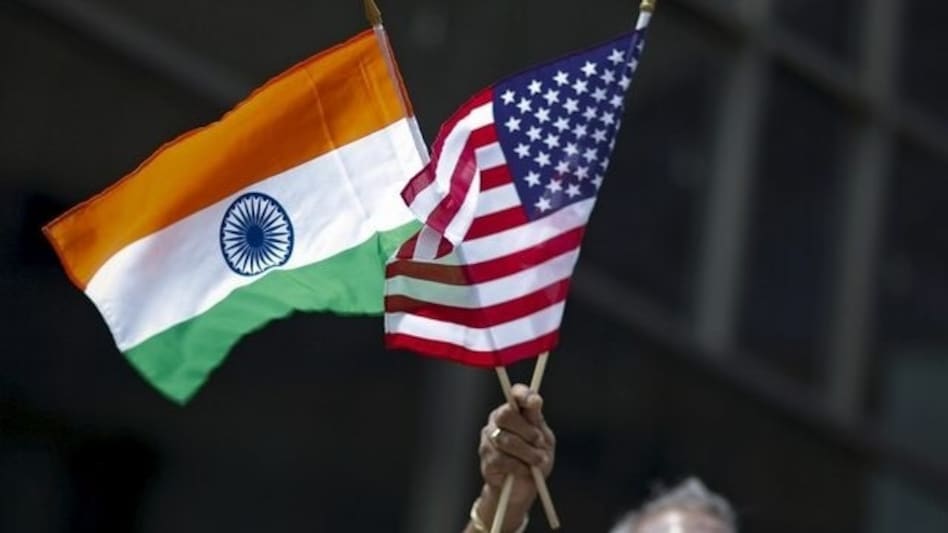
 In its 2026 National Trade Estimate Report, the United States Trade Representative (USTR) pointed to structural issues in India’s Unified Payments Interface (UPI) ecosystem, alongside regulatory challenges for digital platforms.
The United States has raised fresh concerns over India’s digital ecosystem, flagging what it called a “non-level playing field” in the country’s fast-growing payments market and warning that IT rules governing online platforms could burden global tech firms.
In its 2026 National Trade Estimate Report on Foreign Trade Barriers, the Office of the United States Trade Representative (USTR) pointed to structural issues in India’s Unified Payments Interface (UPI) ecosystem, alongside regulatory challenges for digital platforms.

 For every ₹1 spent on PM Modi's foreign visits since 2021, India received around ₹66,000 in FDI: Govt data shows
 RBI classifies Tata Sons as upper layer NBFC; listing requirement hinges on CIC deregistration
 ‘No proposal to blend ethanol with ATF’: Aviation minister Kinjarapu on Kejriwal’s claims
 Hormuz power play: Iran's proposed 7% shipping toll could unlock $100 billion a year
  Why did Tewolde Gebremariam choose Air India over Pakistan International Airlines?
  Can Private Developers Monetize Government Land? | Mr. Vinayak Chatterjee
 Sensex, Nifty Weather Global Storm: What's Supporting The Market?
 Biocon Posts 9% Rise In Q1 Total Income; Biopharma Revenue Up 17%
 Shiprocket IPO | CEO & CFO On Growth Strategy, E-Commerce & IPO Plans
 Market Guru | Mihir Vora Of TRUST Mutual Fund On Banks, IT & Market Outlook
 Pidilite Industries Q1: MD Sudhanshu Vats decodes stellar earnings show
  Indian Bank may benefit from banking revival; ICICIDirect's Jai Thakkar sees upside
 Cummins India stock outlook: Why this earnings-led fall may not derail the rally
 Firstsource Solutions shares tank 17% as Q1 profit misses estimates
  LEAP India mops ₹371 cr in pre-IPO round; Promoter Mathew, GIC, Dymon Asia among investors
 Big AI Boost For Karnataka! D.K. Shivakumar Meets Anthropic Leadership
 Kanpur-Lucknow Expressway | Why Are Fans Running On A Brand-New Expressway?
 65 kmph at night, 55 kmph in the day: Delhi-Meerut Expressway's new speed limit system explainedPidilite Industries Q1: MD Sudhanshu Vats decodes stellar earnings show
  Kangana Ranaut Targets Congress Over Jharkhand Protest, Questions Rahul Gandhi's Silence










