


 Sustainability, often reduced to a buzzword in Indian travel, is approached at The Golden Tusk with a more grounded sensibility.
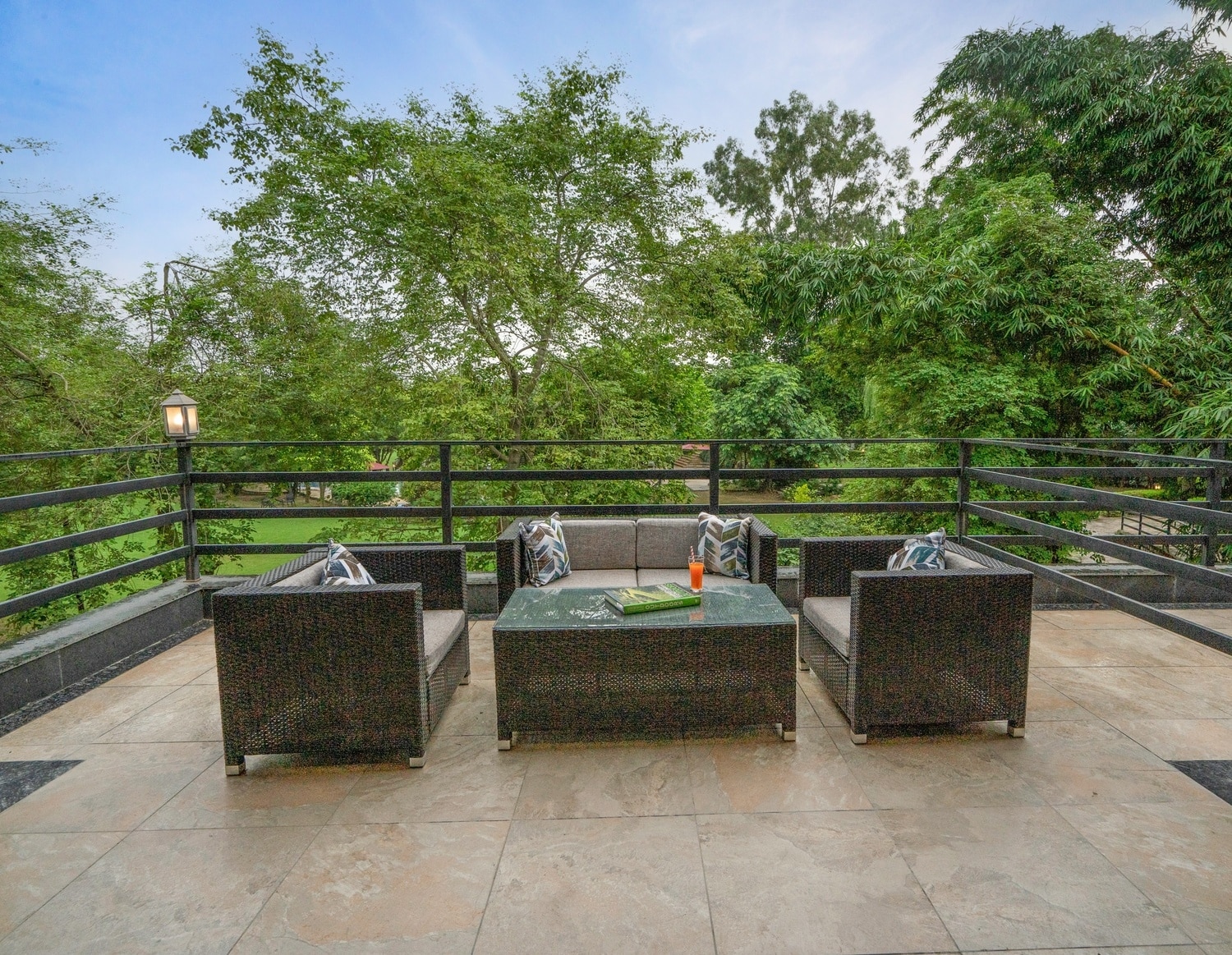
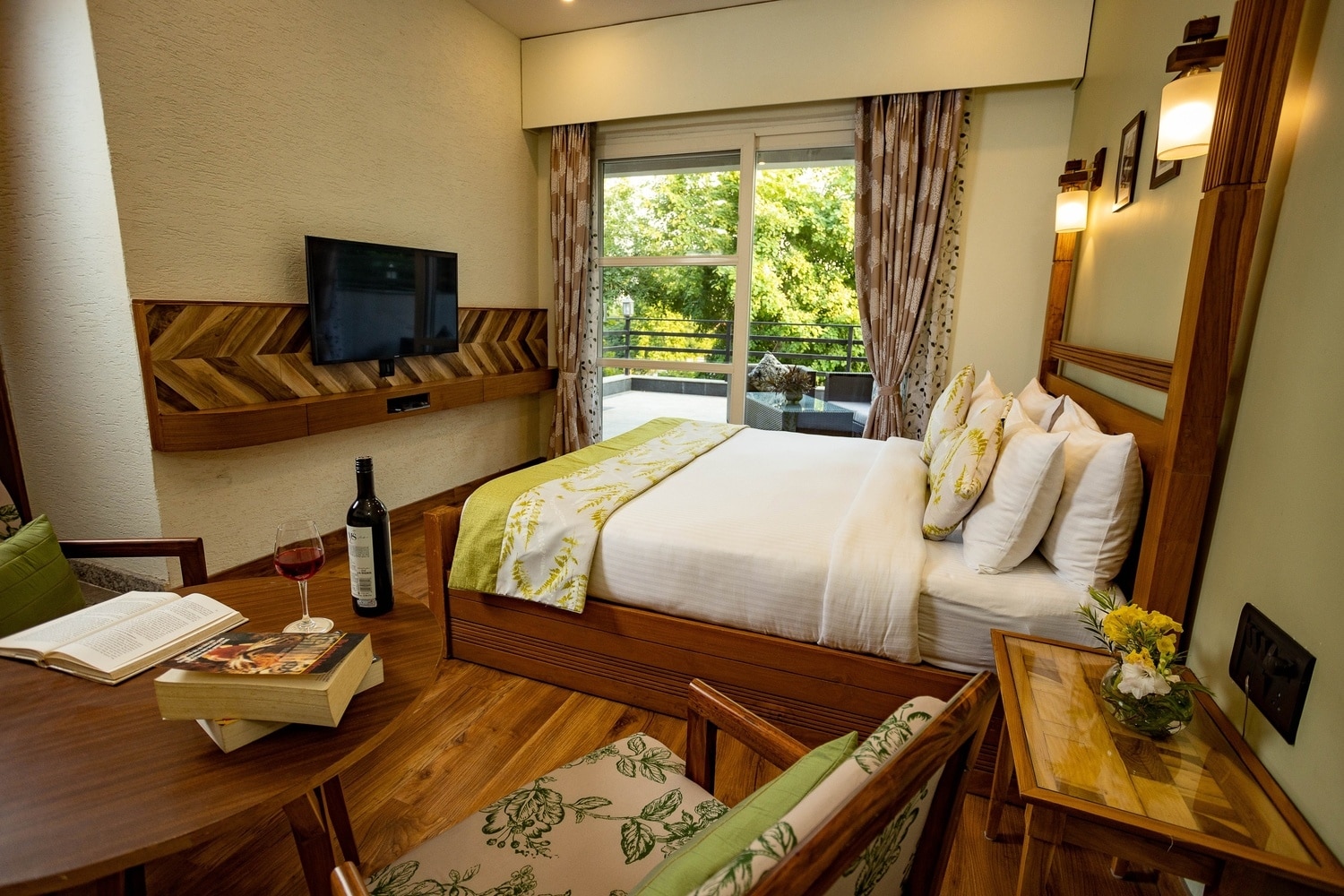
 At the edge of Jim Corbett National Park, where sal forests begin to thicken and the light seems to turn the colour of old brass by late afternoon, The Golden Tusk unfolds across 10 acres of lush green terrain. It is not a resort that tries to impress at first glance. Instead, it settles in gradually, through layers of greenery, thoughtful planning and small, deliberate comforts, until you realise it has quietly claimed your attention. Positioned as an experiential boutique family retreat, the property houses 68 spacious suites and villas and carries the promise of “Never a dull moment”. In reality, what it offers is something more restrained and increasingly sought after: proximity to wilderness without the need to surrender comfort or ease.
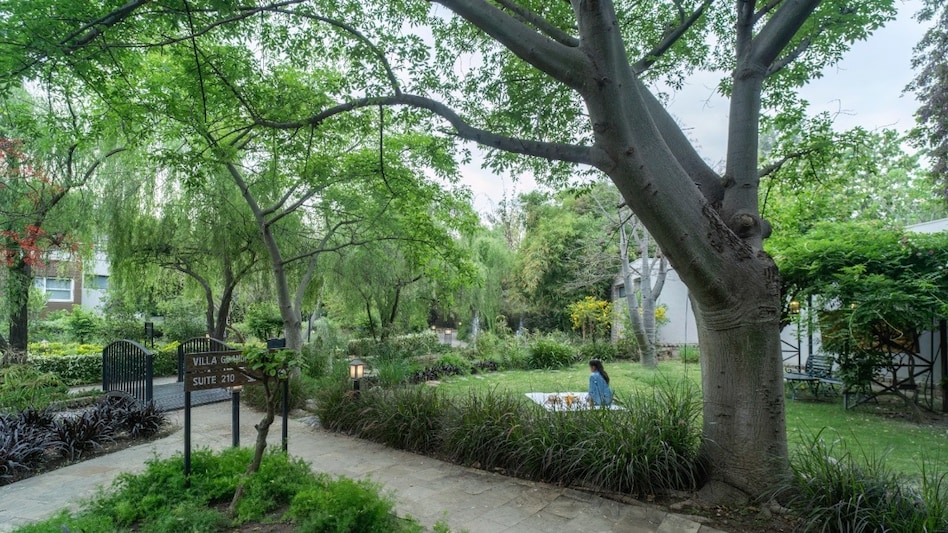
Choice shapes much of the experience here. The resort offers 11 distinct room categories that celebrate nature in different ways, ranging from elegant suites to luxury glamping tents that bring you closer to the night sounds of the forest without asking you to rough it. The design feels intentionally open-ended. Landscaped pathways curve and disappear, encouraging wandering rather than efficiency. “When somebody comes to the property we want the guests to get lost,” says Anirudh Lakhotia, Director, Ivory Destinations, recalling an early master plan the family rejected because it felt too linear. The idea, he explains, was for the landscape and the accommodation to blend in over time.

 ‘Welcome the decision wholeheartedly’: Shapoorji Pallonji on RBI’s decision on Tata Sons listing; full text
 ‘An Indian consumes 1/10th of an average American’: Amb Kwatra says energy security comes first
 Tata stock to buy: Nuvama bets on unique tech-telecom play, sees 28% upside
  NSE IPO, Hero Motors IPO, SS Retail IPO, Jindal Supreme IPO: GMP of four ongoing issues rises up to 32%
 UPI MDR: BharatPe distances itself from Ashneer Grover's remarks, says UPI to remain free for consumers
 Midcap Stocks To Auto & Metals: Where Investors Can Find Market Opportunities Amid Earnings Growth
 What To Watch This Weekend? 5 OTT Picks From Lust Stories 3 To Zakir Khan’s Papa Yaar
 From Putin To Meloni: World Leaders Send Birthday Wishes As PM Modi Turns 76
 Tata Sons Board Votes To Bring N Chandrasekaran Back As Chairman For 5 Years
 Corporate Health Insurance Vs Retail Policy: Why You Need Personal Health Cover Too
 NSE IPO: Nirmal Bang and Sparks say 'Subscribe', cites structural growth potential
 BEML share price: PSU stock rises 5% after Rs 5,400 crore order win; key details
 Recently listed Skyways Air shares jump nearly 15% today; here's why
 Waaree, Netweb, Tata Power, Sterlite Tech among 42 stocks in Goldman Sachs’ India AI Enablers portfolio
 Dr Reddy's shares rise 2% after exclusive Qdenga distribution deal with TakedaMidcap Stocks To Auto & Metals: Where Investors Can Find Market Opportunities Amid Earnings GrowthNSE IPO: Nirmal Bang and Sparks say 'Subscribe', cites structural growth potentialWhat To Watch This Weekend? 5 OTT Picks From Lust Stories 3 To Zakir Khan’s Papa YaarBEML share price: PSU stock rises 5% after Rs 5,400 crore order win; key details
 iPhone 18 Pro Sale: Huge Crowd Gathers Outside Apple Store In Delhi’s Saket