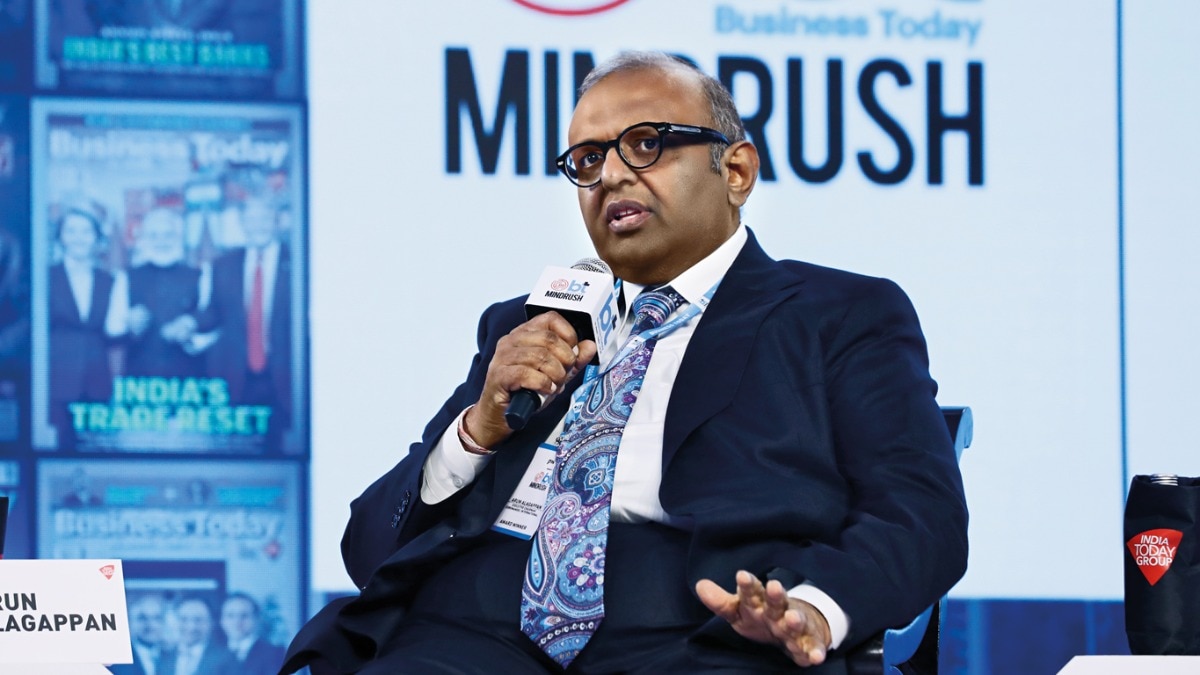
As a fourth-generation member of the family that owns the 125-year-old Murugappa Group, Arun Alagappan has a proud legacy. For a good part of his career, he worked with group companies Tube Products of India and Cholamandalam Investment and Finance Company before moving to Coromandel International—an agri-solutions provider—a little over five years ago.
“I did not expect it (agriculture) to be so interesting,” he says, before offering a glimpse into how agriculture is changing—be it the new generation taking charge or farmers using technologies such as drones in a big way.
This presents challenges as well as opportunities. For Alagappan, the answer lies in innovation by working closely with farmers and backward integration, with a presence in the four key areas of nutrients, crop protection, retail and tech solutions. In an interview with BT, he outlines his company’s strategy and how he is dealing with the conflict in West Asia that has created a fear of fertiliser shortages in the country just ahead of the sowing season. Edited excerpts:
Q: Coromandel International is today a Rs 25,000-crore company. One of the things that worked out for it was the backward integration strategy. Tell us more about the success story.
A: We have done a lot of work at Coromandel over the last few years. One of them is backward integration, and to us, it came down to the value that already existed and needed to be captured. We moved with more focus and bought a mine in Senegal, which makes most of our rock phosphate, a key raw material for phosphoric acid.
The market always existed, and it was about doing something new. We also make sulphuric acid now, and that’s a big change from being one of the largest importers.
Q: India is a fertiliser-deficient country, and we are close to the next sowing season. How do you view this challenge (shortages due to the war in West Asia) in terms of sowing being being delayed or agricultural output falling?
A: I don’t think there will be an issue during the first quarter. On the availability front, I think if this eases out, there should not be any problem.
The government has been saying the same thing. Most of the companies are covered for that period, and so are we. The other part relates to urea, and we imported that in a big way during the last quarter of the last calendar year.
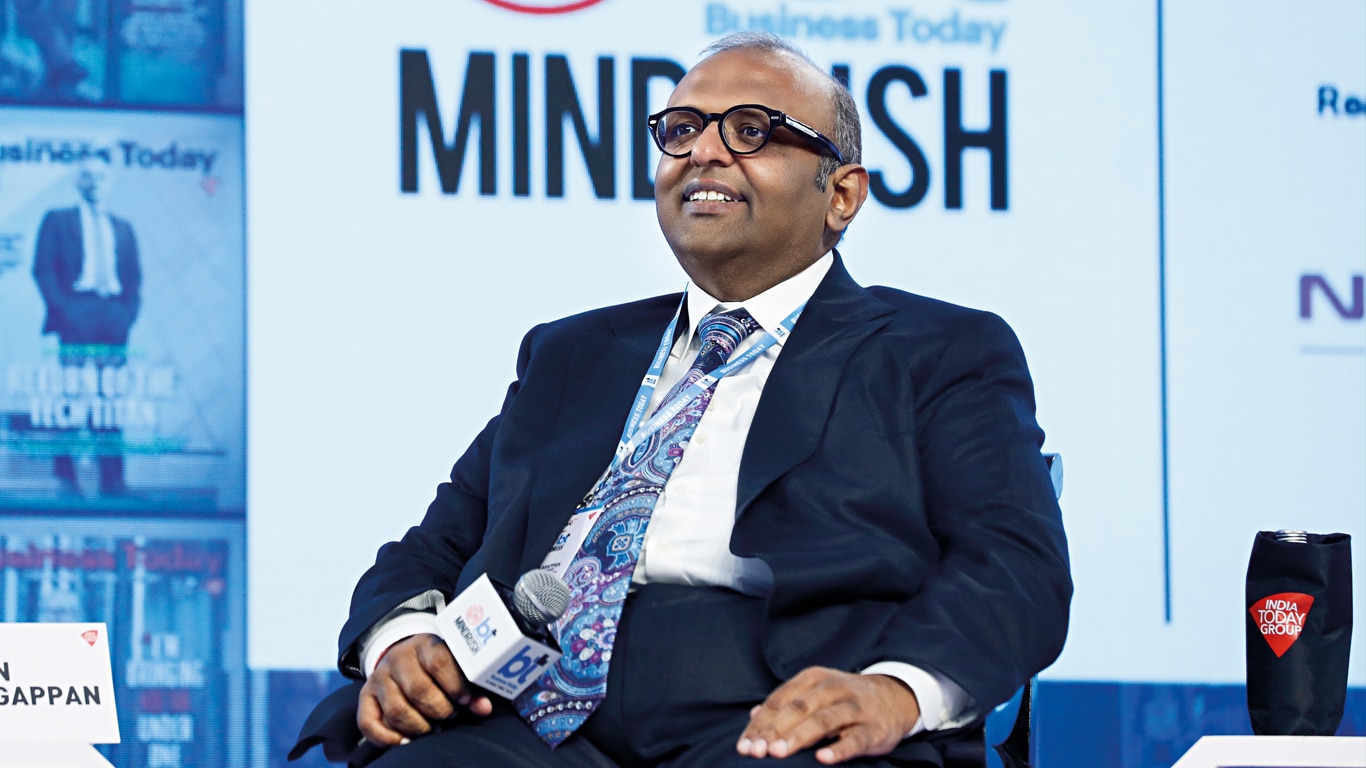
Q: You have the advantage of scale and size, unlike some of the smaller companies. At an industry level, how closely is the industry working with the government?
A: This must be a collaborative effort right now. The good thing is that the Department of Fertilizers is on the ball with the industry daily. The good thing about this collaboration is that it helps in addressing issues that we have had over the last three to four years and have managed to come out of. Be it small or large player, everyone’s opinion is sought, and discussions take place continuously.
The government is as concerned, and rightly so, about availability and ensuring that the farmers’ needs are met. One is really speaking of food security, and here, both the government and industry have important roles to play. As I said, the next crop is not going to be an issue. I hope the problems are sorted out soon to ensure we are well-placed after that.
Q: What else can the industry do to mitigate some of these risks?
A: Whether we like it or not, the fertiliser industry imports most of its raw material. This comes with a certain amount of risk. If it continues that way, we need to see what can be done. For phosphoric acid, I don’t think we will have a problem in India. A lot of urea comes through the Strait of Hormuz, and we will need to see how that plays out.
Q: What is your view on nano fertilisers? How much of a difference will it make?
A: There’s been a lot of talk on nano fertilisers, and we have had a good run with it. We feel nano is a good product and must be applied correctly. The proof of the pudding is in the eating. The farmers have used our nano fertilisers and are swearing by them. The application is also easy. It’s done through a drone. It is catching on quickly.
Q: Coromandel has been a multi-bagger stock over the last decade and a half. Keeping that in mind, how would you view this phase for shareholders?
A: We can’t be oblivious to what is happening here or the West Asia crisis. There will be some impact. A good company will need to mitigate that by taking some actions. On raw material coverage, I don’t see too much of an issue. But with the rupee going the way it is, we need to understand how it plays out. That is important since we are hugely import-dependent.
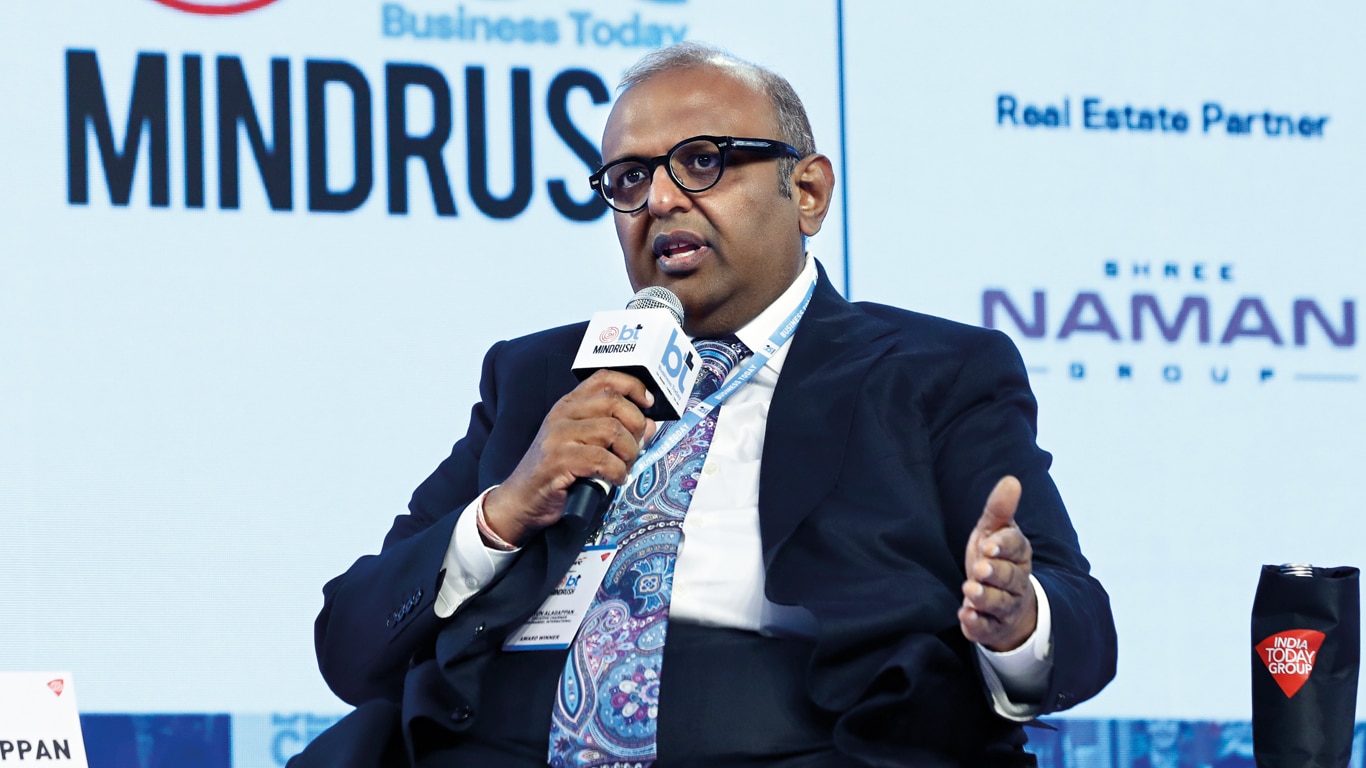
Q: In terms of feedstock, how are you keeping your factories running? Is there an issue with LNG (liquefied natural gas)?
A: The good thing is that none of our plants needs LNG. We pretty much run through steam, even in Kakinada (Andhra Pradesh), which is one of our main plants and will be the largest phosphatic plant in India. We are generating steam by making sulphuric acid.
Q: Tell us a little bit more about that because you are an integrated player, and that gives you a unique positioning.
A: Coromandel has taken a position to serve farmers with a range of products. We have our fertiliser, which is a key farm input. Then, there is crop protection, where we acquired Nagarjuna Agrochem recently to solidify our base. With our crop protection company, we are the third-largest in the business. Apart from this, we have our own retail stores, bio products and nano products.
Q: How do you see the overall agricultural story playing out from here on, not just in the near term but also over the longer term?
A: Agriculture, from what I have seen over the last few years, is about tech and digital. It’s going right down to the farmer. Youngsters are coming into agriculture, and I did not really expect that. They have embraced digital, artificial intelligence (AI), IoT and drones. That is very encouraging. I came into this business from Cholamandalam and never thought agriculture could be so interesting.
I can talk about drones since we have invested in a drone company. In the first year, when we tried telling farmers to use drones, we did about 40,000 acres. That was about two-and-a-half years ago. This year, we are talking about a million acres, through Coromandel’s drone network.
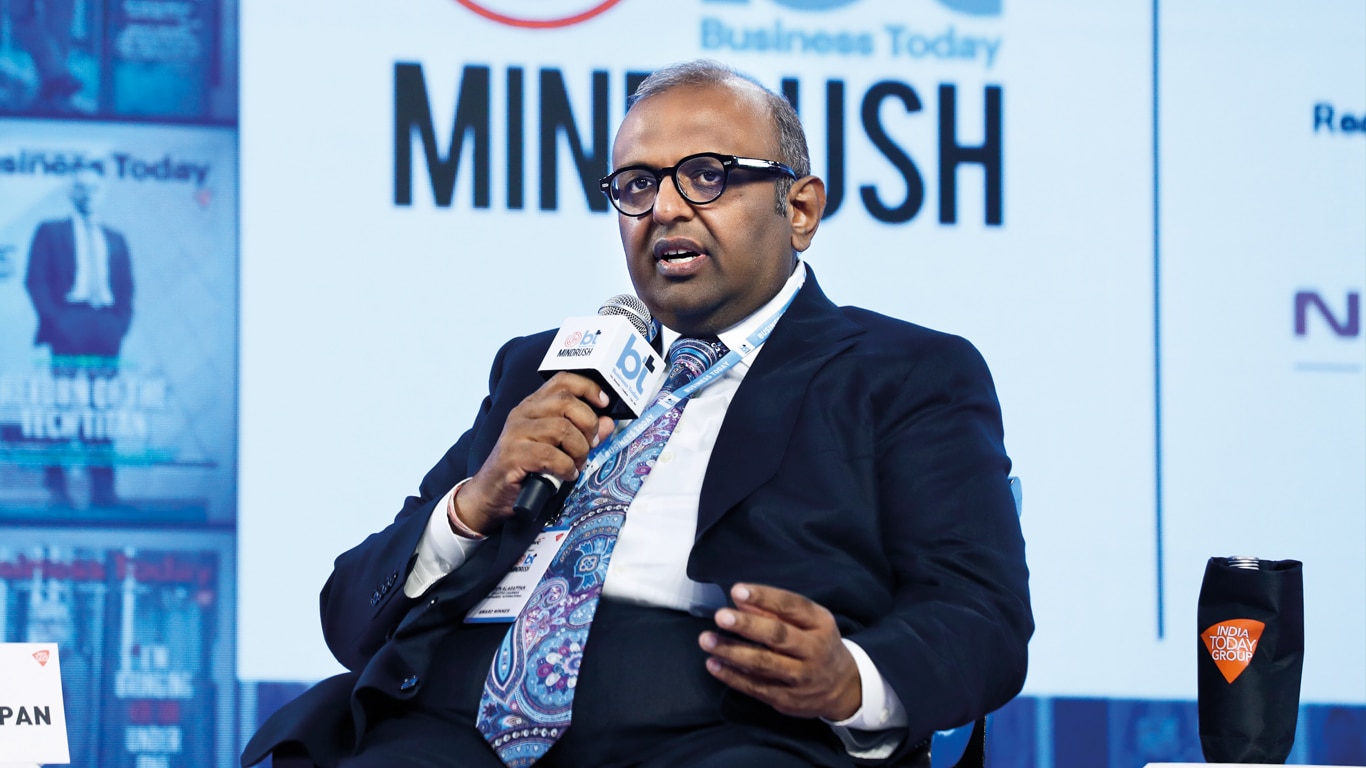
Q: What is the biggest challenge and opportunity that you see?
A: The challenge is raw material availability. The current risks can happen any time and any place. Equally, there are opportunities in an industry that is now huge.
If you look at the Polavaram project in Andhra Pradesh, it is changing the number of acres that are getting sown. That improves output, and the government is looking at this district-wise and planning different products. It could be fruits and vegetables in Rayalaseema. It’s not just about growing paddy or anything like that, and that is really encouraging. I see a lot of opportunity in this industry.
Q: Do you think the market is overreacting, especially in the fertiliser space, given the comfort that you mentioned on inventories, raw material and finished products?
A: We are adequately covered. Sometimes artificial stocking takes place. People get worried and try to stock and that happens in any industry. A couple of things make this industry different. In fertilisers or crop protection, it’s about those few days, and if you don't have that product, then you lose the crop. Overall, I don't see a problem in the first quarter or for the first sowing season.
@BakayaAabh80607 @shail_bhatnagar













