












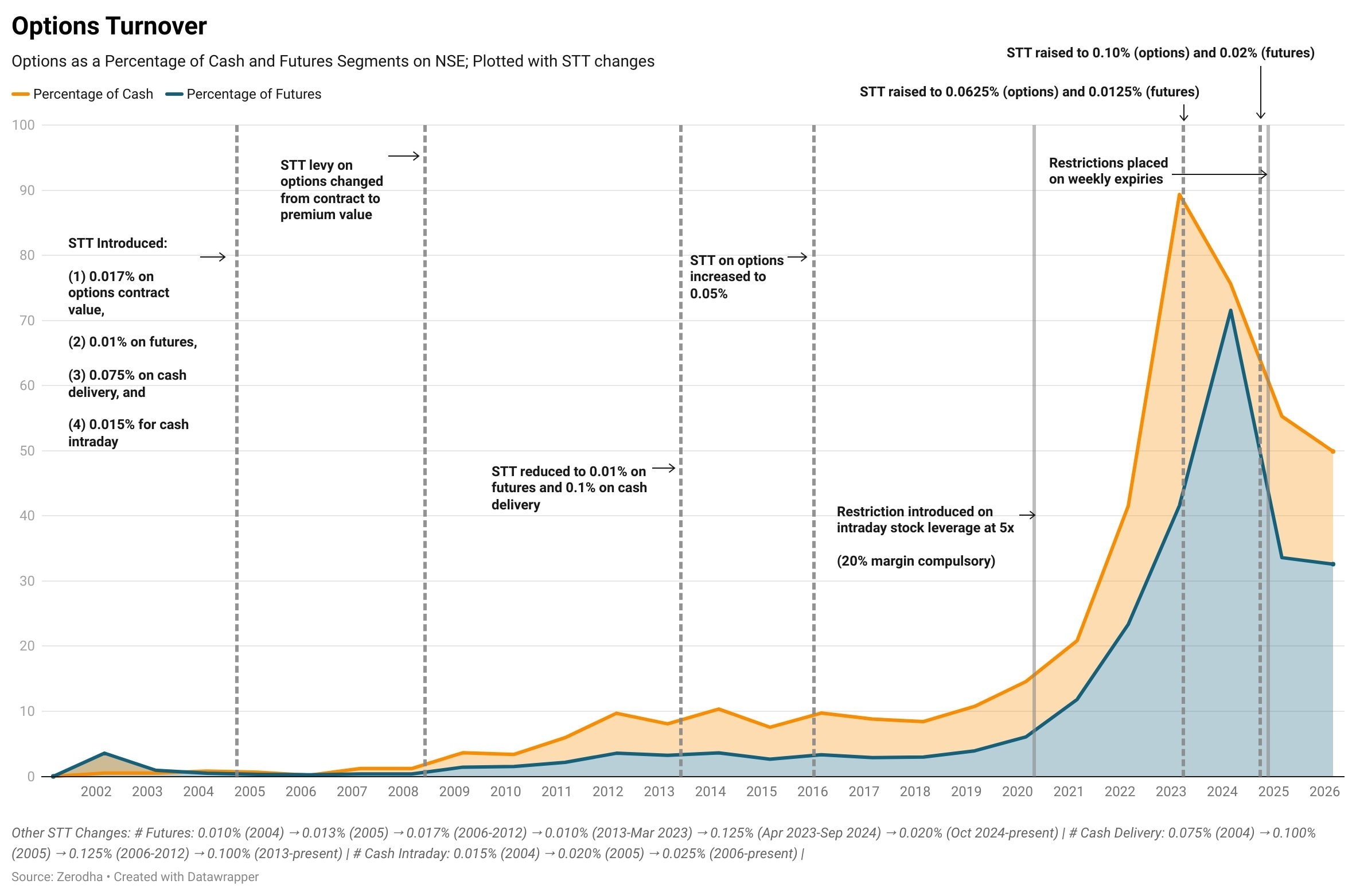



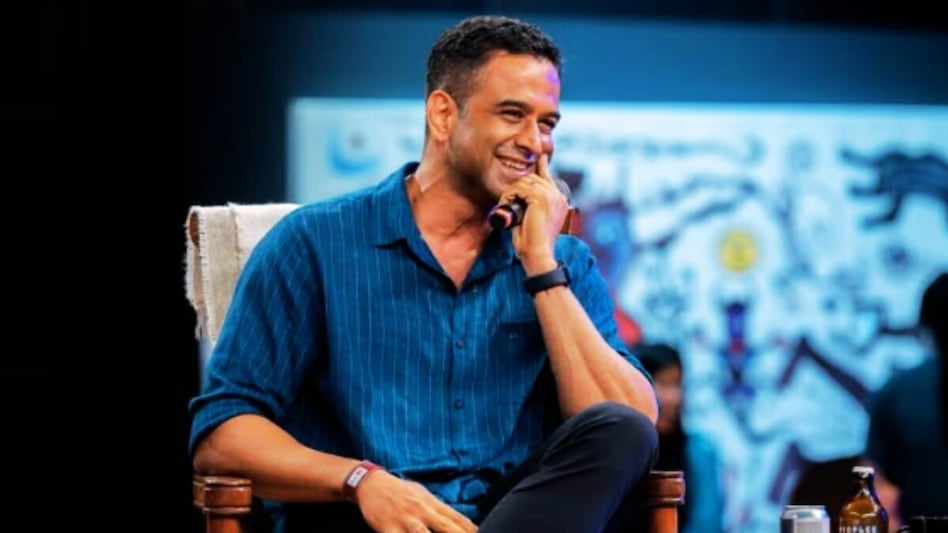
 Nithin Kamath explained that the structure of STT itself creates an imbalance. STT on futures is levied on the entire contract value, while options are largely taxed on the premium amount.
 Union Finance Minister Nirmala Sitharaman’s proposal to raise the Securities Transaction Tax (STT) on derivatives in the Union Budget 2026–27 has triggered sharp reactions across the market, with industry voices warning that the move could prove counterproductive if the government’s intent is to curb excessive speculation.
During her Budget speech on Sunday, Sitharaman announced that the STT on futures contracts would be increased to 0.05 per cent from 0.02 per cent, while STT on options premium and exercise of options would be raised to 0.15 per cent. The announcement unsettled stock markets and reignited a long-running debate on how best to regulate India’s booming derivatives segment.
 Tim Cook leaves a trillion-dollar machine. John Ternus must build Apple’s next growth story
 HDFC Bank CEO exit: How share price may react to Sashidhar Jagdishan's decision
 ISRO’s ‘Bahubali’ gathers industry bigwigs: L&T, Adani, JSW eye rocket technology
  SRK, Salman-backed Purple Style Labs IPO opens: Should you apply or avoid? Price band, GMP, reviews
 HDFC Bank share price rises: Targets by UBS, Bernstein, Jefferies, Morgan Stanley
 Debt Funds Explained: Who Should Invest & How Much Debt Should Be In Your Portfolio?
 FD Or Debt Fund: Which Can Offer Better Returns, Tax Benefits & Liquidity?
 Why Meta Could Be Fined $1.4 Trillion! Instagram-Facebook Could Change Forever
 Gold Price Outlook: Can Festive & Wedding Demand Push Prices Higher In India?
 Gold Price Rally: Why Gold Surged 16% In August; Key Triggers Behind The Comeback
 ZEE Entertainment shares tumble 14%, take losing to 4th session; key details
 RIL, Adani Energy, SBI Cards, Laurus Labs: MSCI rebalancing to drive market volatility today
  Manappuram Finance, HZL, NFIL, Meesho: Jefferies adds 4 stocks to portfolio; here's why
 Augmont Enterprises shares make a decent market debut; stock list at 22% premium on NSE
 Persistent Systems shares update on fundraising, stock slips 4%
  Parth Jindal takes charge as Chairman at JSW MG Motor India to drive green mobility
 John Ternus’ biggest challenge as Apple CEO: Reshaping a decades-old leadership teamZEE Entertainment shares tumble 14%, take losing to 4th session; key details
 JioBlackRock set to roll out balanced advantage fund NFO on Sept 11. Check detailsRIL, Adani Energy, SBI Cards, Laurus Labs: MSCI rebalancing to drive market volatility today


