


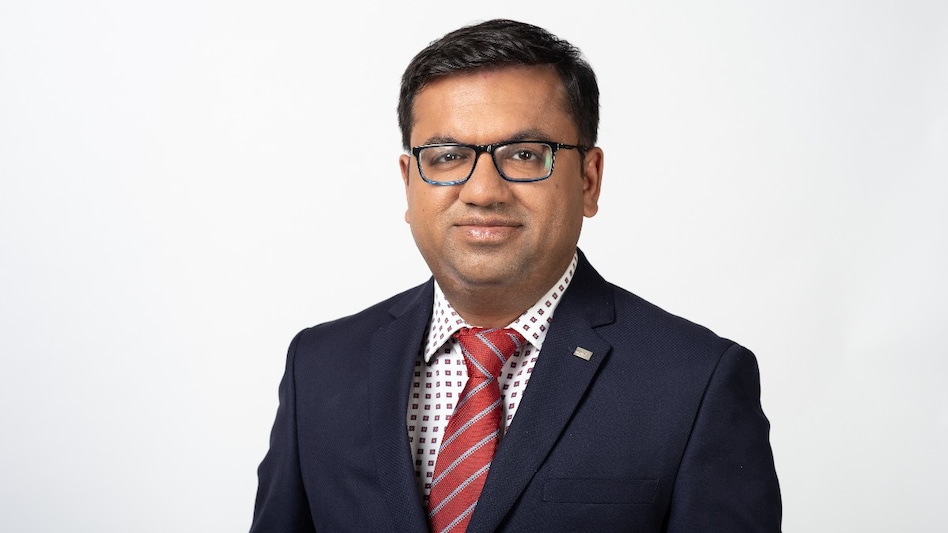
 Varun Goel, Mirae Asset Investment Managers (India)
After a sharp correction in several small-cap stocks, macro headwinds, and months of earnings pressure, investors are divided on whether the worst is over. While broader small-cap indices have remained volatile and largely range-bound, select active funds have managed to generate solid gains.
In this interaction with BT, Varun Goel, Senior Fund Manager at Mirae Asset Investment Managers (India), explains how disciplined bottom-up stock picking helped navigate through volatility, why he believes the earnings cycle is turning, and where he sees opportunities emerging across small-cap and domestic cyclical themes.

 IDBI Bank employees and pensioners have nothing to fear: DIPAM Secretary
  'I wish I was 20 years younger': Sunil Mittal on India's next 20 years, recalls OneWeb pitch to Rishi Sunak
 RIL group to become India's largest conglomerate by m-cap after Jio IPO: Uday Kotak
 NDMC announces two-day closure of Connaught Place's Central Park ahead of CJP's 'Lehra Do Tiranga' march on Friday
 IDBI Bank sale to Fairfax faces union resistance, black-badge protest on October 16
 Jio Platforms IPO: ₹30,000 Crore Issue Opens October 21, Valuation At ₹10.3 Lakh Crore
 Weekend OTT Releases: The Diplomat 4, Aasha, Sacrifice And More
 How Jio Transformed India From Data Scarce to Data Abundant! | Akash Ambani | Jio Platforms IPO
 Akash Ambani Decodes Jio's Financial Muscle | Reveals The 5 Key Business Drivers | Jio Platforms IPO
 From Dhirubhai’s 1977 IPO to Jio's Mega Launch | Uday Kotak Calls Jio IPO a ‘Moment in History’
 RIL group to become India's largest conglomerate by m-cap after Jio IPO: Uday Kotak
 Gold eyes sharp recovery; can MCX prices hit Rs 1.5 lakh? Vandana Bharti explains
 Tech Mahindra Q2 results: PAT rises 33% YoY to Rs 1,586 crore; recommends 1:1 bonus issue
 Jio Platforms IPO: How HFCL promoter Mahendra Nahata's investment could rise over 110 times
 South Indian Bank shares hit 52-week high on Q2 earnings, close higher
  Akasa Air, IndiGo extend suspension of flight to Saudi Arabia till October 24
 Top 5 Biggest IPOs In India: Jio Set To Break Hyundai’s Record With ₹30,213 Crore Issue
 PM Modi Meets Indian Athletes After Asian Games 2026, India Wins 85 Medals
 Supreme Court Strikes Down ₹8,415 Crore AT-1 Bond Write-Off For Yes Bank | What Happened?Jio Platforms IPO: ₹30,000 Crore Issue Opens October 21, Valuation At ₹10.3 Lakh Crore












