


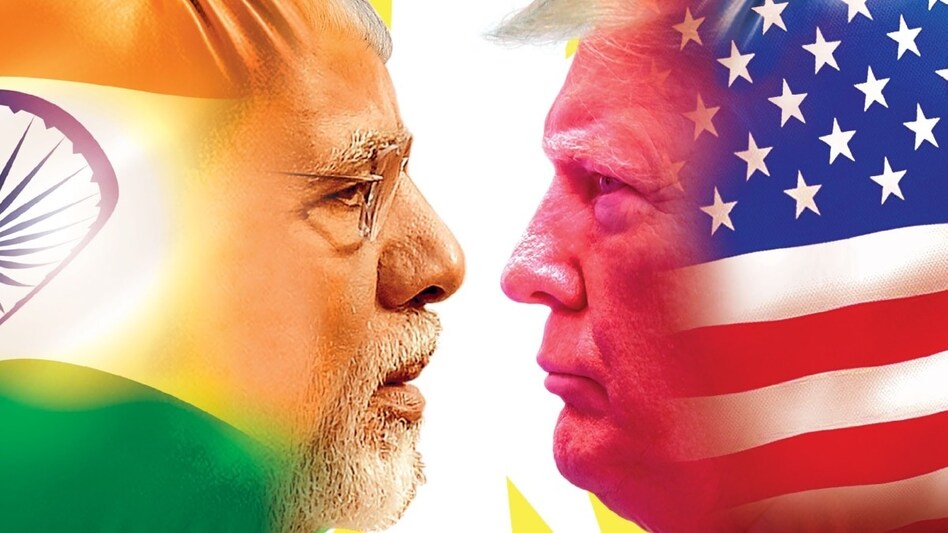
 The latest volatility and selling pressure raised a question if US stocks are better buy compared to the Indian counterparts.
 Indian benchmark indices Sensex and Nifty faced a severe selling pressure on Friday as the renewed Trump tariffs dented the sentiment on Dalal Street along with weakness in the Indian rupee, consistent FIIs and muted earnings by India Inc. Investors lost more than Rs 3.53 lakh crore from their kitty due to the ongoing carnage.
The latest volatility and selling pressure raised a question if US stocks are better buy compared to the Indian counterparts. Market experts have a divided view on this point, but believe that short-term sentiments for Indian equities remain jittered. However, they are positive on the long-term story for the Indian equities.

 How Indian investment overseas is gathering momentum
 Indian-origin CEO Shailesh Jejurikar appointed Chairman of P&G Board
 To stay ahead, Indian manufacturers are embracing AI
 Dabur India Q1 results: Profit up 15% at Rs 591 crore YoY; revenue climbs 11%
 10-year jail, ₹50 lakh fine: Lok Sabha approves anti-paper leak bill; key details inside
 LIVE Daily Calls: Ask Your STOCK MARKET TODAY QUERIES | Market Update LIVE | Share Market News Today
 Why Are Markets Rallying? Ajay Bagga Explains | Fed, Oil Prices & FII Flows
 Strong Q1 Helps Paradeep Phos Clock 17.3 Cr Shares In Trade
 Mumbai Elite Clubs Face FDA Action | Food Licences Suspended Over Hygiene Violations
 10 Tax Jargons Every First-Time Taxpayer Must Know | Tax Guide | Personal Finance | Money Today
 Dabur India Q1 results: Profit up 15% at Rs 591 crore YoY; revenue climbs 11%
 FIIs could return to market in six months, says Ajay Bagga
  Sensex, Nifty climb over 1% each; investors add Rs 4 lakh crore in wealth
 Banks, IT, defence, power stocks likely to lead FY27 earnings upgrades, says Ajay Bagga
 Vedanta Oil and Gas Q1 earnings: Net profit at Rs 945 crore, revenue rises 9%
  India now has 3,040 individuals with a combined wealth of Rs 104 lakh crore, but wealth still remains concentrated among few families: ReportTo stay ahead, Indian manufacturers are embracing AILIVE Daily Calls: Ask Your STOCK MARKET TODAY QUERIES | Market Update LIVE | Share Market News TodayIndian-origin CEO Shailesh Jejurikar appointed Chairman of P&G BoardWhy Are Markets Rallying? Ajay Bagga Explains | Fed, Oil Prices & FII Flows










