It added that food delivery platforms such as Eternal and Swiggy; consumer durables and EMS companies such as Amber Enterprises, Blue Star, Havells, Epack Durables and PG Electroplast; and oil and gas companies such as GAIL, Petronet LNG and Gujarat Gas were also seen facing pressure.
"Several sectors reliant on natural gas or LPG are beginning to see operational disruptions. Ceramic manufacturers have already faced supply curtailments, with some factories expected to operate for only 10–15 days at current gas availability levels," it said.
Chemicals and fertiliser producers face potential feedstock price increases due to reliance on imported ammonia and gas derivatives, it noted. In consumer-facing sectors, QSR chains and restaurants could face operational constraints due to LPG shortages, while manufacturing companies using LPG in production processes may face bottlenecks if supply disruptions persist, it said.
Consumer discretionary
JM said in its coverage universe, the gas shortage is expected to impact QSR names. These primarily include
Devyani International, Sapphire, Westlife and Restaurant Brands. Jubilant Foodworks, which is not under coverage, is also expected to be impacted.
In the case of Sapphire, 63 per cent of overall cooking happens through LPG. The company has a buffer of 7-8 days, beyond which business may be hampered. Restaurant Brand anticipated the issue earlier and has built a 2-week buffer. It does not expect the issue to stretch beyond that. However, as a mitigation measure, it may
discontinue certain product categories. While the Westside is still assessing the impact, it has a buffer of one-week, beyond which business may be impacted.
Building materials
JM said Ceramic players such as Kajaria Ceramics, Somany Ceramics and Cera Sanitaryware are likely to be
impacted by disruptions in global gas supply and curtailed availability for industrial users. Somany Ceramics and Cera Sanitaryware have notified on the exchanges on March 2026 that gas supply from Sabarmati Gas has been restricted up to 50 per cent of contracted quantity, effective March 6 until further notice.
This is as Manoj Aervadiya, President of Morbi Ceramics Association, noted that Gujarat Gas has curtailed 50 per cent of its natural gas supply. In addition, LNG and propane supplies have been completely halted. At the current level of supply from Gujarat Gas, factories can operate for only 10–15 day, JM said.
Chemicals
India’s fertiliser industry has some exposure to imported ammonia. Companies such as Paradeep Phosphates Limited and Coromandel International Limited import around 0.3–0.5mmtpa of ammonia. Around 65 per cent of India’s ammonia imports originate from Middle Eastern countries such as Saudi Arabia and Oman, which are located near the Strait of Hormuz. This geographic concentration increases the sector’s vulnerability to disruptions in shipping routes across the region, JM said.
It said the government has historically prioritised the availability of essential fertilisers such as urea and is likely to support the sector through pricing measures or higher subsidies if input costs rise. At the same time, price increases have already been observed across several chemicals including nitric acid, sodium nitrite and nitrate, phenolics, amines, iso propyl alcohol, ammonia, methanol, chloromethanes and acetic acid.
Auto & auto ancillary
While OEMs currently maintain sufficient inventory to sustain production for 6-7 days, a prolonged natural gas shortage poses a material risk of operational disruption, JM Financial warned. At present, major manufacturers
have not come up with formal official statements, as the situation remains highly fluid. Should production rates at the OEM level decline, the resulting contagion effect is expected to impact the broader auto ancillary sector.
Consumer durables and EMS
JM said companies expected to be impacted are Amber Enterprises, Blue Star, Havells, Epack Durables and PG Electroplast. In an exchange filing, PGEL stated that its gas suppliers have informed it about a shortage of gas under its Gas Sale and Purchase Agreement. The shortage arises from constraints faced by certain vessels due to maritime navigation restrictions linked to the ongoing conflict in the Middle East. These disruptions have affected the movement of gas cargoes, leading to tighter supply conditions.
In the case of Amber, LPG flames are used for brazing, absence of which can be a bottleneck to manufacturing.
No resolution of the event over the next few days can lead to potential production halt. For Blue Star, a lack of resolution can mean potential production halt and the company is evaluating the situation. Voltas is seeing no concerning inventory shortage, JM said.
Industrials, ports and logistics
The shortage of PNG combined with OMCs restricting supply of propane to industries is expected to benefit Aegis Logistics. The company is expected to see expanded distribution margins resulting from sale of propane at high margins.
Internet
Eternal and Swiggy’s food delivery businesses may get impacted if gas shortage affects restaurant operations. While their quick commerce businesses can see some spike in demand because of increase in home-made food consumption, at an Ebida level the impact can still be negative because food delivery is significantly more profitable than quick commerce business presently, JM Financial said.
Metals & mining
The ongoing Iran-US-Israel conflict is unlikely to have any material direct impact on Indian metal companies. However, the temporary closure of an aluminium plant in Qatar due to gas shortages has pushed global aluminium prices higher. At the same time, elevated crude and natural gas prices have lifted thermal coal prices, which could marginally increase energy costs for metal producers, JM said. That said, the rise in metal realisations is expected to be partially offset by increase in energy costs, aiding spreads.
Hotels
Most hotel chains use piped natural gas (PNG) and, therefore, may be affected by the shortage though currently the supply disruption appears to be concentrated in commercial LPG cylinders, which are typically not used by chain-affiliated hotels. PNG supplies do not appear to have been disrupted so far, with no reported volume cuts. However, any sustained reduction in gas availability could affect hotel operations, particularly food and beverage outlets, in-room dining, and MICE activities.
"These segments typically account for 30-50 per cent of total revenue, depending on the hotel’s positioning across
luxury, upscale, and midscale categories. From a cost perspective, the impact remains limited as HLP
accounts for only about 4 per cent of total costs," JM said.
Oil & gas
Elevated prices could weaken LNG demand in India in the near term, which may affect volumes and margins for companies such as GAIL, Petronet LNG and Gujarat Gas. Supply disruptions may also impact Petronet LNG’s volumes given its high dependence on Qatari LNG. Gas prices are typically more volatile than crude oil due to concentrated supply sources and lower storage availability. As a result, prices can correct sharply once supply concerns ease and trade flows normalise, JM said.



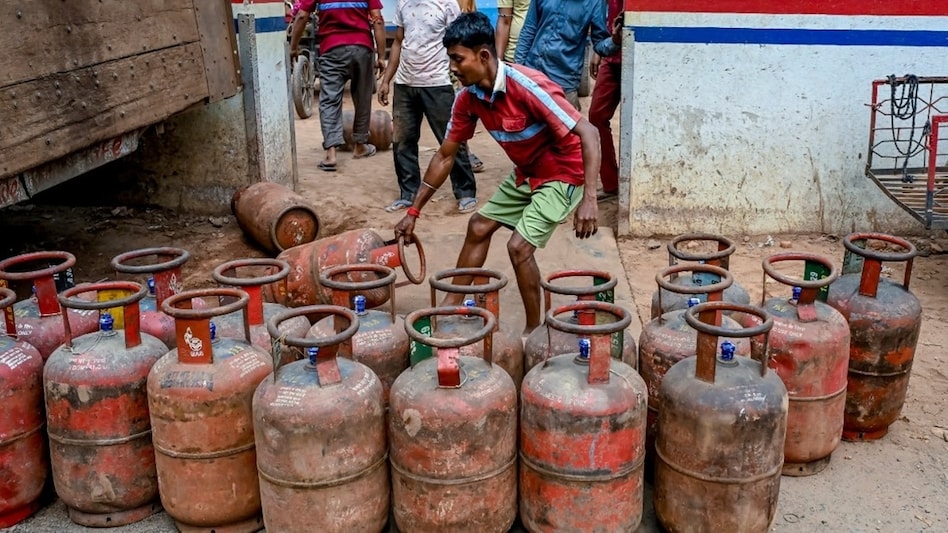 JM said food delivery platforms such as Eternal and Swiggy; consumer durables and EMS companies such as Amber, Blue Star, Epack Durables and PG Electroplast; and gas companies such as GAIL, Petronet LNG and Gujarat Gas were also seen facing pressure.
 Jio Platforms IPO: Price band announced at Rs 1,065-1,119; set to become India's biggest public issue
 Jio Platforms files RHP for IPO of up to 27 crore shares; issue to open on October 21
 IDBI Bank stake sale is the largest FDI deal till date; Centre, LIC to continue to remain invested
 'My satellites have been hovering for 5 years, I'm ahead of Musk in the queue,' says Sunil Bharti Mittal
 Henley Passport Index 2026: Indian passport climbs to 84th rank, visa-free countries falls to 55
 What Is A Specialized Investment Fund (SIF)? SIF Vs Mutual Funds Explained
 This Week In Cinema: Jailer 2, Ranabaali, Prahaar, Nayyi Navelli & Street Fighter Hit Theatres
 India Inflation Shock: WPI Hits 11.39%, CPI At 5.54% As Crude Oil Touches $107 A Barrel
 Cabinet Approves IDBI Bank Stake Sale to Fairfax: Is the Stock Still a Buy?
 Anand Rathi Wealth Q2 Results: Consolidated PAT Jumps 22% to ₹122 Cr | Joint CEO Feroze Azeez Decode
 Tata Tech Q2 profit rises 4% to Rs 171 crore; revenue jumps 28%
 Hyundai Motor India to invest up to Rs 11,000 crore in Pune plant
  HDB Financial Q2 PAT climbs 34% to Rs 780 crore; stock slips 4%
 India Hits Back At UN Human Rights Body Over Delhi Protest Remarks | MEA's Strong Response
 Diwali Gift For Railway Employees: Cabinet Clears 78 Days’ Productivity Linked Bonus
 Tonbo Imaging India IPO GMP At 72% Ahead Of Issue Opening Tomorrow; Check Key Details
 Can The World Break Free From China Dependence? Sunil Bharti Mittal Explains












