


 At a reported deal value of $12 billion, the transaction would value Organon at roughly 2 times CY26 expected sales and about 6 times EBITDA, according to ICICI Direct estimates.
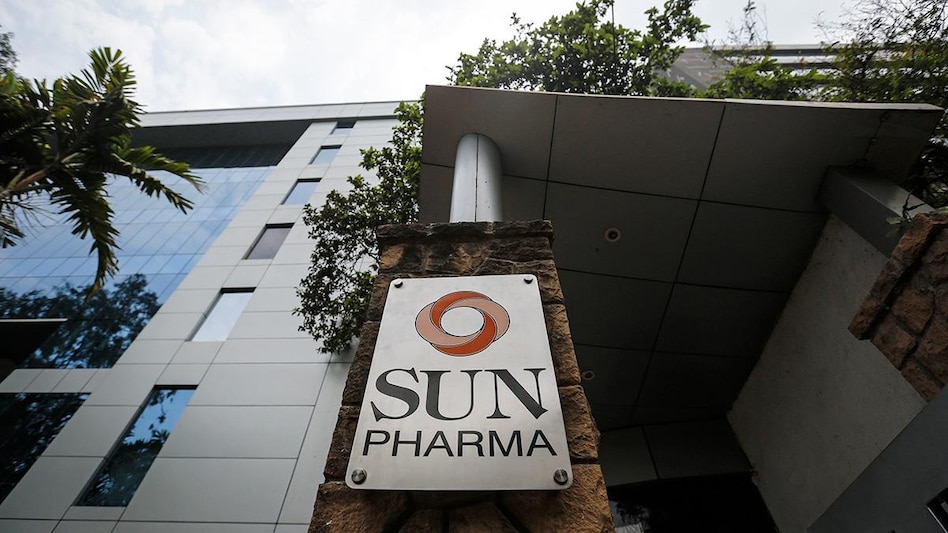
Shares of Sun Pharma fell over 3% on Friday after reports of a potential acquisition of US-based Organon & Co surfaced, with analysts raising concerns over valuation and execution risks linked to the deal.
The stock declined 3.61% to hit a low of ₹1,619.05 on the BSE, taking its decline to about 5.4% so far in 2026. At current levels, the company’s market capitalisation stands at around ₹3.9 lakh crore.
The market reaction follows reports that Sun Pharma is in advanced stages of evaluating a deal for Organon, with the potential transaction size pegged at around $12 billion. The company, however, has termed such reports “rumours” and “speculative in nature”, stating there is no material information requiring disclosure under listing regulations.
Per people familiar with the matter, Sun Pharma has completed over three months of due diligence on Organon and is working on financing, with global banks including JPMorgan and MUFG involved. Other investor consortia, including private equity and strategic investors, are also said to be in contention.
Organon, spun off from Merck in 2021, operates across women’s health, biosimilars and established brands. The company is expected to report CY26 sales of about $6.2 billion and EBITDA of $1.92 billion, implying margins of around 31%.
At a reported deal value of $12 billion, the transaction would value Organon at roughly 2 times CY26 expected sales and about 6 times EBITDA, according to ICICI Direct estimates.
Analysts said the pricing and nature of the asset have raised questions around potential returns.
Salil Kallianpur, a pharma analyst, said Sun Pharma’s increase in its bid from $10 billion to $12 billion indicates “this is more than a strategic acquisition. It’s now a deal Sun doesn’t want to lose.”
He cautioned that a higher acquisition price reduces margin for error. “When you pay more upfront, you’re significantly reducing your margin for error,” he said, adding that the market reaction reflects concerns over lower future returns, higher integration risk and execution challenges in the US market.
Unlike earlier acquisitions such as Ranbaxy, where Sun Pharma acquired stressed assets and turned them around, Organon represents a more stable but slower-growth platform.
“Value won’t be acquired but created after you buy it,” Kallianpur said, noting that success would depend on execution in a US market where pricing is controlled by payers and litigation risks remain significant.
ICICI Direct also flagged challenges in the target business, pointing to competitive pressures across Organon’s key segments and declining sales in products such as Nexplanon. It added that Sun Pharma is likely to assume around $8 billion of debt as part of the transaction.
“The target appears to be fraught with challenges,” the brokerage said, noting that while margins are relatively strong, growth visibility remains limited.
If the deal materialises, it will mark Sun Pharma’s largest overseas acquisition and a significant expansion of its global portfolio. For now, however, the company maintains that there is no confirmed transaction.

 RBI repo rate: Crisil says India Inc can absorb 50-bps rate hike as corporate balance sheets remain strong
 AI’s $4.7 trillion global opportunity: What it could mean for Indian companies and investors
 Credit-card EMI isn't always cheaper: Check these six costs before converting
 How much do government documents cost in India? Check PAN, Passport, Aadhaar and DL fees
 Lack of US-India deal will not have an adverse impact on India’s growth, says Panagariya
 Mira Kapoor On Dhun Wellness, Clinical Longevity And The Dhun Intelligence Method
 Tech Gear EP 19 | iPhone 18 Pro Series, Apple Pay & Redmi Note 17 Pro Max | Business Today
 Mira Kapoor On Dhun Wellness, $4 Million Funding And Building Its Competitive Edge
 How To Transfer Data From Old iPhone To New iPhone | Easy Guide
 How Mira Kapoor Became An Investor And Decides Which Brands To Invest In
 Nvidia shares approach record high as AI optimism revives investor demand
 Sebi receives 20,000 comments on proposed CAS changes; framework to follow soon
 Stock market sell-off: Nifty, Sensex log 8th straight weekly loss; key levels & top triggers now
 IPO boom: 69 Indian companies raise Rs 90,500 crore in Q3 despite stock market sell-off; what's next
 TCS, Infosys, HCL Tech, TechM, Wipro, LTM, Coforge, HEXT: Fresh target, Q2 previews for IT stocks
 LPG, CNG, PNG prices on today (October 4): Check latest rates in Delhi, Mumbai, Kolkata, other cities
 Petrol, diesel prices today (October 4): Check latest rates in Delhi, Mumbai, Chennai, Kolkata & more
 India has world’s best digital financial setup, positioned to soar: Nobel laureate Michael Spence
  Quote of the Day by Warren Buffett: 'Price is what you pay. Value is what you get'
 India weighs 3 more Scorpene submarines as Project-75(I) moves closer to approval












