













 Parag Parikh Large Cap Fund’s NFO will open on January 19 and close on January 30, with regular subscriptions starting from February 6.
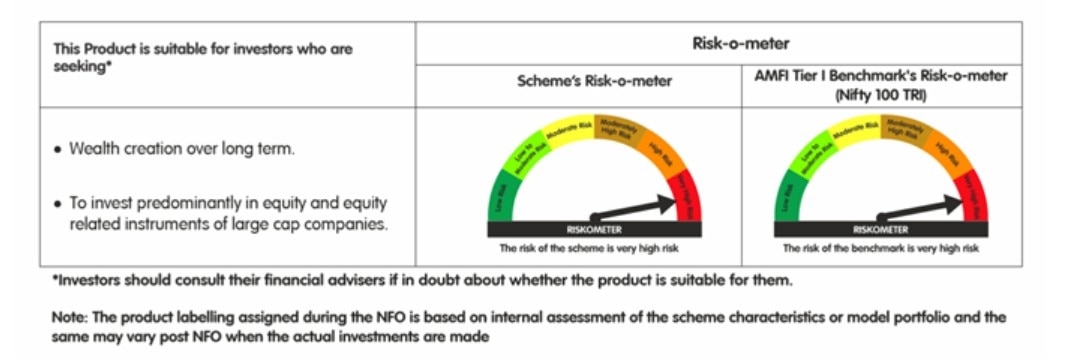
PPFAS Mutual Fund has announced the new fund offer (NFO) dates for the Parag Parikh Large Cap Fund, setting the stage for the launch of its much-anticipated large-cap equity scheme. The NFO will open for subscription on January 19 and close on January 30, with the scheme reopening for continuous purchase and redemption from February 6. The fund will be benchmarked against the Nifty 100 Total Return Index (TRI).
The launch marks a significant expansion of the fund house’s equity product portfolio. First unveiled in November 2025, the Parag Parikh Large Cap Fund is the firm’s first new equity offering in nearly five years and only its third equity scheme, following the Parag Parikh Flexi Cap Fund and the Parag Parikh ELSS Tax Saver Fund. The move reflects PPFAS’s intent to offer investors a differentiated large-cap strategy at a time when many actively managed funds are struggling to consistently outperform benchmarks.

 Tata Capital roadmap: 100% micro-housing growth, 500 gold loan branches and more
  Your UPI payments could soon be more private; NPCI plans to mask phone numbers on UPI apps
 N Chandrasekaran's ₹685 crore pay in 5 years: The figure that stands out in Tata Sons' latest annual report
 Bengaluru restaurants to boycott Swiggy, Zomato from August 15. Here's why
 Weight loss drugs come with a new lifestyle. And Tata is already preparing for it
 Manipal Health IPO Review: Should Investors Apply For Long-Term Growth Or Avoid It?
 Trump And Netanyahu Meet In Washington As Iran Differences Surface At White House
 Pentagon Alters Iran War Casualty Toll As U.S. Troop Losses Spark Massive Storm In Washington
 HUL Share Price Outlook: Brokerages Turn Bullish After Earnings | FMCG Stock Analysis
 I.T. Stocks Rally 16% In July: Is The Biggest Comeback Still Left Or Will Profit Booking Begin?
 Coforge shares extend gains; check latest target prices post Q1 results
 Kalyan Jewellers shares: Fresh buy or exit? Key levels to watch
 Adani Ports Q1 results: PAT rises 10% YoY to Rs 3,650 crore, revenue climbs 19%; shares slip
 Beauty Garage files IPO papers with SEBI; check key details
 Swiggy shares hit three-month high, up 11% in two sessions; what's fueling the rally? Manipal Health IPO Review: Should Investors Apply For Long-Term Growth Or Avoid It?Trump And Netanyahu Meet In Washington As Iran Differences Surface At White HouseCoforge shares extend gains; check latest target prices post Q1 resultsKalyan Jewellers shares: Fresh buy or exit? Key levels to watch
 AI creators ask for slowdown; 1,100+ employees from OpenAI, Google and Meta warn of 'real risk'