












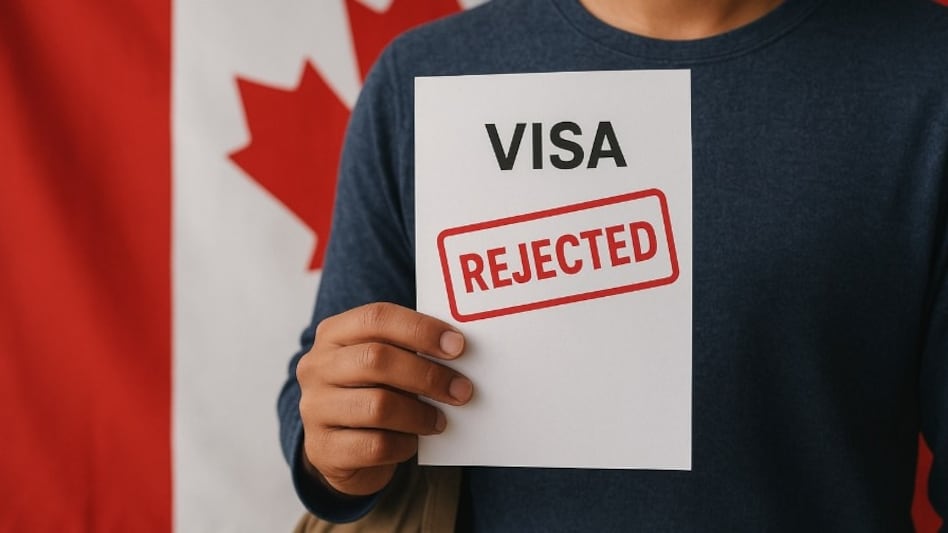
 Canada weighs sweeping powers to void visas after Indian rejection rates hit 74%
 Canada weighs sweeping powers to void visas after Indian rejection rates hit 74%
Canada is considering a proposal that could enable its immigration department to revoke temporary visas on a large scale, a move that may impact applicants from India and Bangladesh, according to a report by CBC News.
Internal documents reviewed by a Canadian news outlet, CBC, reveal that Immigration, Refugees and Citizenship Canada (IRCC) and the Canada Border Services Agency (CBSA) are seeking authority to collectively cancel temporary resident visas (TRVs) if significant evidence of fraud or misuse is detected.
The proposed change would allow the immigration minister to revoke entire batches of visas issued under specific conditions, such as fraud, war, or a public health crisis, rather than handling each case individually.
The move comes amid rising asylum claims and mounting scrutiny of Canada’s temporary visa system. Officials cited difficulties in document verification and a spike in fraudulent applications from certain countries, including India and Bangladesh, which were referred to as “country-specific challenges” in an internal presentation.
Rising asylum claims from Indian students
According to Global News data, over 20,000 asylum claims were filed by international students last year, with the highest numbers coming from India and Nigeria. CBC reported that claims from Indian nationals surged from fewer than 500 per month in May 2023 to about 2,000 by July 2024, prompting federal agencies to tighten oversight.
The proposal is part of a broader reform effort aimed at addressing loopholes that have led to backlogs and allegations of visa misuse. One section of the draft proposal lists potential triggers for mass cancellations, including pandemics, wars, or misuse by specific visa groups.
Concerns over a “mass deportation machine”
The plan has drawn criticism from advocacy groups and immigration lawyers who fear it could lead to sweeping deportations without due process. More than 300 civil society groups, including the Migrant Rights Network, have warned that granting such powers could effectively create a “mass deportation machine.”
Immigration lawyers have also questioned whether the measure is an attempt to clear backlogs by mass cancellation rather than individual review.
High rejection rates for Indian applicants
The proposed reform follows a sharp rise in visa rejections for Indian applicants. Figures from Canada’s immigration department show that about 74% of Indian study permit applications were denied in August 2025, compared to 32% in August 2023. By contrast, rejection rates stood at about 40% overall and 24% for Chinese applicants in the same period.
If approved, the new authority would mark one of the most significant changes to Canada’s visa policy in years, expanding the government’s ability to revoke temporary visas collectively amid growing concerns about system misuse.
 FD investors, don’t miss this! These banks now offer over 8% returns
 Will the US-Iran war end soon? White House signals breakthrough
 Love road trips? Soon, you could drive through toll plazas without stopping
 Big gas rule change! These households may have to give up LPG connection by June
 Weight-loss jabs like Ozempic, Mounjaro can slim you fast—but doctors warn of real risks
 Security Withdrawn From Abhishek Banerjee’s Residence After TMC’s 2026 Defeat!
 "AI Is Our Foundation, Not An Overlay": Samsung
 How To Choose The Right AC This Summer | Complete Guide
 London’s ‘Coolest’ Corner Shop: How the Patel Family’s Gujarati Cooking Took Over Instagram!
 Carrier’s ₹1000 Cr Bet In Andhra Pradesh: Sri City Becomes India’s AC Capital | Manufacturing Boom
 Sensex, Nifty outlook for tomorrow: What's next after today's sharp upmove?
 Jupiter Wagons, Titagarh Rail Systems shares jump 15–32% in a month: Outlook, strategy | Daily Calls on BTTV
 3750% dividend stock alert! Bumper amount in Q4 results; record date fixed
 BT Closing Bell | Sensex, Nifty end higher amid US-Iran peace hopes; top gainers & losers
 How IPO-bound NSE's unlisted shares are faring post Q4 results, 3500% dividend