


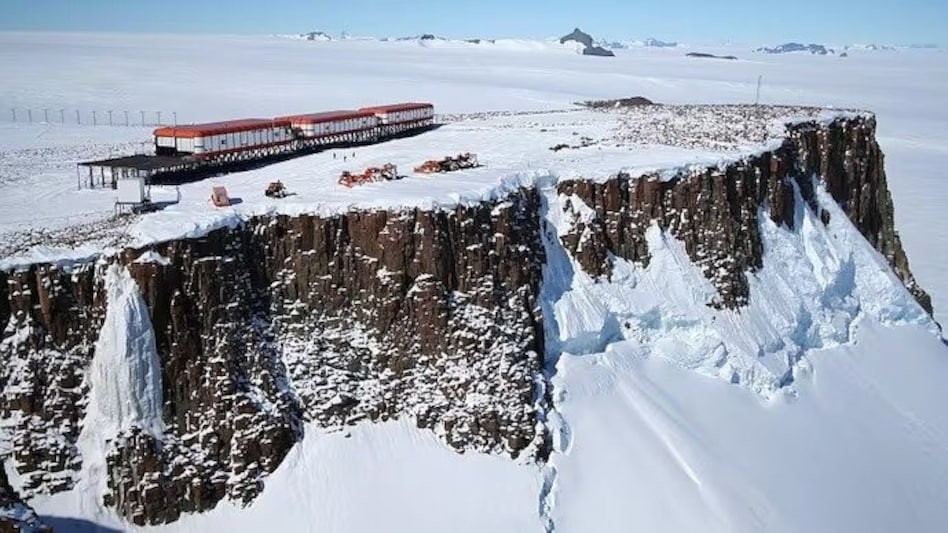
 How Indians can travel to Antarctica: Visa rules, cruise options, and packing tips
Waking up at 3 am to a glowing sunrise over jagged Antarctic peaks, with only penguins and icebergs for company, is an experience few places on Earth can match. But for Indian tourists dreaming of a once-in-a-lifetime vacation to the frozen continent, preparation is critical, especially when it comes to visas and permits.
While Antarctica itself does not require a visa, Indian travellers must secure permits and country-specific tourist visas depending on how they plan to get there. Here’s everything Indian tourists need to know before booking their Antarctic adventure.

 Tata Trusts opposes N Chandrasekaran reappointment, says board resolution is ‘legal nullity’
 'It is now time to move on': Noel Tata opposes Chandrasekaran's fresh term at Tata Sons
 N Chandrasekaran reappointed for 5 yrs as Tata Sons Chairman; board approves public listing
 Tata Sons IPO: Board approves listing on stock exchanges
 NSE IPO day 1 update : Issue subscribed 31% so far; NIIs, employees lead bidding | Key details
 Gold ETF vs Physical Gold: Know the Tax Rules, Charges and Key Differences
  PPF vs NPS: Tax Benefits, Returns and Lock-in Period Explained for Retirement Planning
  FDs, RDs & Savings Accounts: Why They May Not Help Build Wealth After Tax & Inflation
  U.S. House Clears Russia Sanctions Bill As Senator Warns India, China Over Russian Oil
  NSE Vs BSE Valuations: Gaurang Shah Compares India's Leading Stock Exchanges And Their Growth
 Sensex slips, Nifty settles higher; Tata stocks gain after N Chandrasekaran reappointment
 Cochin Shipyard, KRBL, RITES, Ramky Infrastructure among stocks to turn ex-dividend on September 18
 Kalyan Jewellers, PC Jeweller, Thangamayil Jewellery, Titan: Jewellery stocks suffer double whammy; here's why
  Tata stock to buy: Jefferies says buy this stock for 23% upside
 Nalco shares: Buy, hold or sell? Target price after 14% rise this year
 'We cannot put the cart before...': Noel Tata's argument against N Chandrasekaran's reappointment Gold ETF vs Physical Gold: Know the Tax Rules, Charges and Key Differences
  Semicon 2.0 gets bigger: Govt targets 200 chip design startups with ₹1.27 lakh crore plan, says Ashwini VaishnawPPF vs NPS: Tax Benefits, Returns and Lock-in Period Explained for Retirement Planning FDs, RDs & Savings Accounts: Why They May Not Help Build Wealth After Tax & Inflation












