


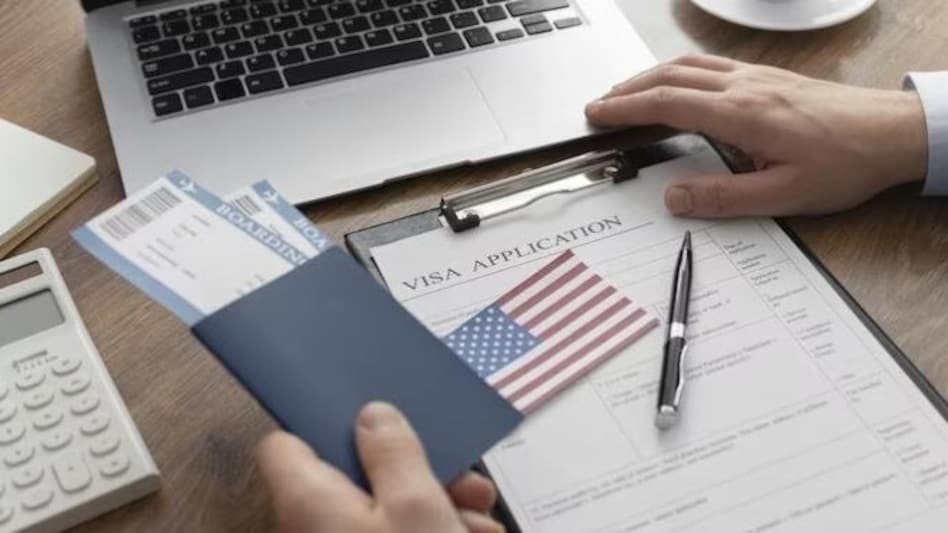
 USCIS says interviews, ceremonies delayed as H-1B, green card process disrupted
The U.S. government shutdown, now in effect after Republicans and Democrats failed to reach a budget agreement, is disrupting immigration services, including visa and green card processing, leaving thousands of Indian professionals in limbo.

 GLP-1 drugs are under fresh scrutiny over rare condition; here's what's happening
 IRDAI’s insurance distribution reforms: What changes for insurers, brokers, customers
 SBI announces ATM charge waiver during bank strike; UPI, NEFT, RTGS services to continue
 This is not a tax, cess, surcharge...: FM Sitharaman explains what the new UPI MDR really means
 BT Big Story: The price tag of UPI: Will small shops go back to cash?
 How Is Alexa+ Different? Will It have Ads Even If You Pay? Exclusive Chat
 Demand Robust Across Segments | Production To Ramp Up, Exports To Expand: Vivek Srivatsa
 GST Council To Meet On October 7: Invoice Matching, ITC & UPI MDR Tax In Focus
 Tata Chip Plans Stay On Track Despite Boardroom Rift; Dholera Fab Investment Unaffected
 GLP-1 Drugs Face Eye Safety Concerns: Will Fresh Scrutiny Impact India's Growing Market?
 IPO rush: Four IPOs conclude today; check subscription status, other details of issues still open
 Meesho shares slip 7% as Nomura assigns 'reduce' call; here's what the brokerage says
  Sensex, Nifty extend losing streak to seventh week, longest since 2020: What's next?
 Suzlon in bear grip: Oversold signals emerge near 52-week low for the stock
  EIL shares jump 7% to hit record high; stock up nearly 62% in six months: What's driving the rise?
 RBI’s FCNR window: Why banks need seamless digital onboarding to win NRI customers
 BlackRock sees AI agents creating a new economy for stablecoins, blockchain and computeHow Is Alexa+ Different? Will It have Ads Even If You Pay? Exclusive Chat
 Who is Mandeep K Bhandari? Meet the new CBSE chairman with 25 years of administrative experience
 ‘A terrorist country is asking me...’: EAM Jaishankar hits back at Pakistani reporter at UN briefing












