


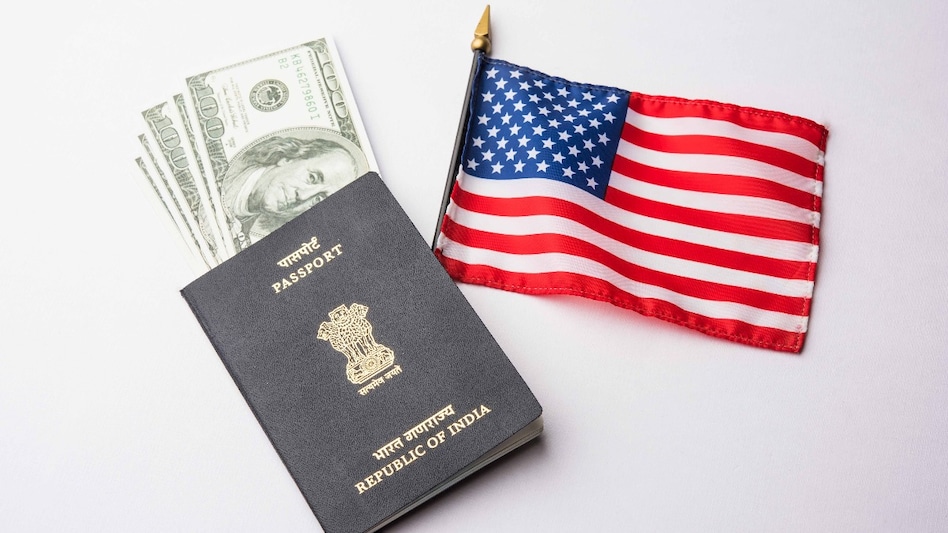
 The current test requires applicants to answer six out of ten civics questions correctly and demonstrate basic English
The Trump administration is eyeing a tougher U.S. citizenship test, with U.S. Citizenship and Immigration Services Director Joseph Edlow calling the current version “just too easy” and signaling potential requirements like an essay and more difficult questions.
Speaking Thursday at a Center for Immigration Studies event in Washington, Edlow said the test must better measure whether applicants have a “true attachment to the Constitution,” citing concerns that too many people are “coached” through a process they may not fully understand or qualify for.

 Apple’s growth under CEO Tim Cook: The journey from $350 billion to $5 trillion
 Top 1,000 listed Indian companies see 53% jump in FY25 carbon emissions: IIM-Bangalore study
 How Tim Cook introduced larger iPhone screens and changed Apple’s smartphone strategy
 NSE's ₹30,000 crore IPO: SBI, its investment banking arm to offload 1% stake
 'True founder of Bengaluru's IT hub is Jyoti Basu': Sanjeev Sanyal on Kolkata's lost tech edge
 Why Meta Could Be Fined $1.4 Trillion! Instagram-Facebook Could Change Forever
 Gold Price Outlook: Can Festive & Wedding Demand Push Prices Higher In India?
 Gold Price Rally: Why Gold Surged 16% In August; Key Triggers Behind The Comeback
 Gold Vs Silver Vs Sensex Since 2005: Which Investment Delivered Better Returns?
 “Women’s Reservation Will Be Fulfilled”: Kiren Rijiju On Delimitation And Census
 NSE's ₹30,000 crore IPO: SBI, its investment banking arm to offload 1% stake
 Jio Platforms IPO gets SEBI nod: Rs 27,500 crore debt repayment plan, $100 billion valuation in focus
 Closing Auction Session: Why the system expected to reduce volatility is still seeing occasional wild swings
 RIL-backed penny stock hits 52-week low; firm clarifies on high trading volume
 Happiest Minds shares slip despite IT stocks surge; here's what is weighing on the stock
 Next space race could be fuelled by AI: How technology may reshape the orbital economy by 2030
 Inside Tim Cook’s rise at Apple: The journey from operations to CEO
 Edelweiss vs HSBC vs Invesco vs WhiteOak: How India’s top midcap funds are positioning portfolios
 Income Tax deadlines in September 2026: TDS, advance tax and audit reports to track
 Cost of good luck: How thousands of coins began tearing apart Ireland’s 40,000 volcanic pillars












