

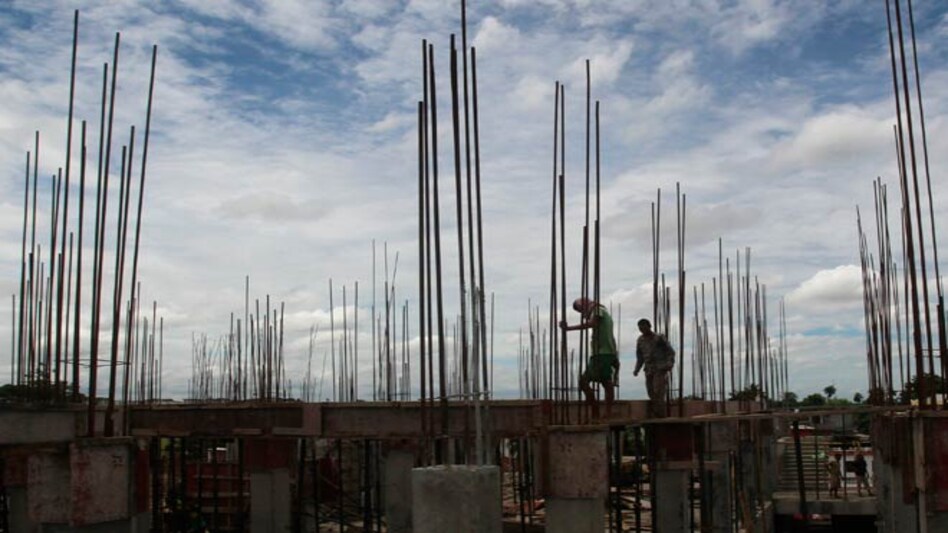
A lot has been said about the Gujarat development model and how it is all about growth and not enough about development. Fundamentally, economic growth and economic development are neither mutually exclusive nor are they perfectly correlated. High economic growth may not necessarily result in increased economic development of the overall population and targeting human development indicators will not automatically translate into higher level of economic growth.
It is unfortunate that many economists are presenting it as either-or case. There is no trade-off between those two. There are many examples of a country or a state managing to make excellent progress on economic development of its population while clocking in impressive GDP growth numbers. The debate highlights the divisive nature of the 2014 election campaign more than anything else. The United Progressive Alliance (UPA) and the National Democratic Alliance (NDA) are much closer to the centre than what media and sometimes even their campaigns are claiming.
 NSE IPO: India's largest exchange gets 5.69x subscription on Day 3; all categories fully booked
 Indian Oil, HPCL, BPCL shares rise as brent crude prices fall for fourth day
  Bank strike next week: Five-day disruption may hit your salary credits
 Tata Sons power struggle: Who will pay for the next legal battle?
 Semiconductor stocks: Centrum's Nilesh Jain prefers CG Power, Syrma SGS; cautious on Kaynes, Dixon
 Tata Trusts-Tata Sons Row: Harish Salve Explains RBI Rules, Singhvi Flags Shareholder Rights
 Top Legal Eagles Flock To Tata Sons & Tata Trusts As Boardroom Clash Heads To Court
 Over Next Three Years Company Expects To Invest ₹15,000 Cr For Deepwater Exploration
 Tata Sons Listing Row: Shapoor Mistry Backs IPO As Noel Tata Pushes ₹25,000-Crore Plan
 Takeda, Dr. Reddy’spartner To Bring QDENGA Dengue Vaccine To India; Launch Expected In H1 2027
 Brokerage sees 96% upside potential in this smallcap stock
 Dr. Reddy’s, Lupin shares among buzzing stocks as pharma sector back in focus
  3 Warren Buffett quotes for Indian stock market investors today
 Sensex jumps 564 points, Nifty tops 23,400; will this upmove sustain?
 Warren Buffett's message to shareholders: Full text of the farewell letter
  Buying a Kia before September 30? Check Carnival, Clavis, Sonet and Syros offer details before payingTata Trusts-Tata Sons Row: Harish Salve Explains RBI Rules, Singhvi Flags Shareholder RightsBrokerage sees 96% upside potential in this smallcap stock
 Petrol for highways, battery for daily commutes: What Indian families should know about the upcoming BYD Seal U
 Buying a phone under ₹1 lakh for reels and YouTube? These five models offer the strongest video specifications












