








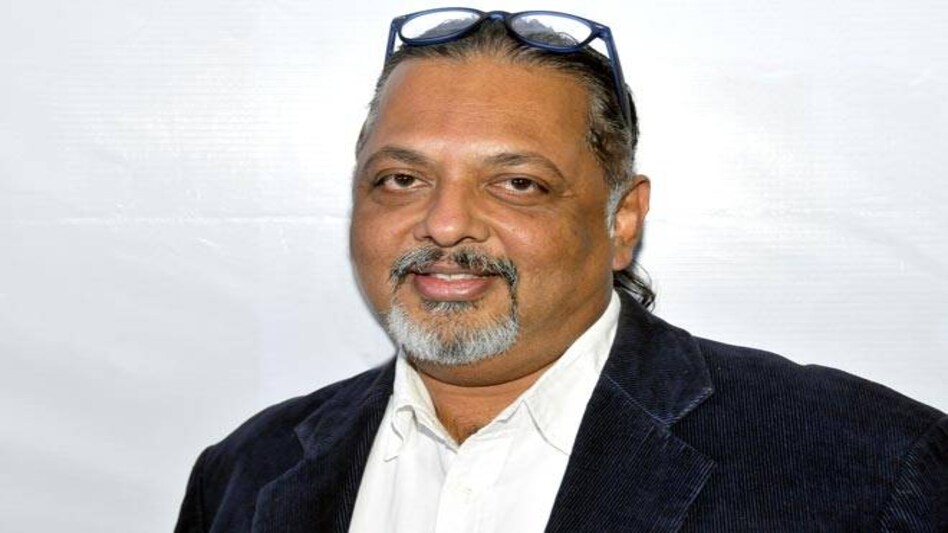
 Abraham Thomas, CEO, Radio CityAbraham Thomas, CEO, Radio City
Radio City bagged 11 new private FM stations in the latest Phase III auctions held recently. Having been bought over by Jagran Group, the company now runs 20 Radio City stations and nine Radio Mantra stations. Abraham Thomas, CEO, Radio City, spoke to Business Today about how the industry today has found ways to make money and expand as well.
Q. Radio has been the most difficult among media to monetise. Has anything changed?
A. Things have evolved a bit. In print (medium), the distinction between content and commercial is very clear. In TV it's slightly easier because you can still do some in-film, in-show placements. In radio, that line is very light - it is possible to smartly integrate commercial with content, provided you tell the reader clearly. That's becoming a very important play in monetisation for radio, because FCT (free commercial time) everyone hits a glass ceiling very quickly. There are so many channels, supply is not a constraint, and therefore raising rates is always a challenge. That is why a lot of clients are looking for integrated solutions. So, one is about integrating content, but smartly done and capsuled, so that the listener gets it.
The second is going beyond radio. Consumers today are not consuming media linearly. So, you have to provide integrated, multi-media solutions to clients, which is why a lot of our properties get extended on-ground, online, and other touch points so that overall it becomes an integrated solution.
Q. What do you mean by multi-media in radio?
A. One is, integrating into the content. And the other one is extending that into an on-ground, online activity. Love Guru, one of our popular programmes, now has a mobile app. So you can actually download it and listen to love guru, and interact with him.
On the online, digital part, everyone is excited. But the fact is you have to differentiate the content from the platform. When consumers are consuming online content, their consumption habit is not hugely different. You'll see people increasingly consuming playlists on music apps, rather than going and making your own playlist. Radio is a playlist, you select a playlist for a city and then play it. So, in that sense, he's expecting the same thing even online.
What we've done is, over the years we've actually built a very strong online play. We have planetradiocity.com, where a lot of existing content goes up, plus we create a lot of content for the online play. So there's a lot of content in independent music, spoken word, and other genres that we've created. Now, we're the first radio network to actually start playing music online, because we've acquired digital rights for the entire Saregama library. So we've just launched a slew of retro channels - Radio City Gold in Hindi, Tamil, Kannada. So, that is the online play for us.
So, the monetisation of radio is driven not just by FCT; it's also driven by integration, by properties that you create on-ground, on air and all that.
Q. What about the challenge from digital? A lot of advertisers are now increasingly moving to digital platforms, and shying away from traditional platforms?
A. I wouldn't say as much, but there's a lot of interest there, and it's beginning to grow. It's still a while till the numbers become large. But yes clearly that space is beginning to grow. So, our attempt is also to build these multiple platforms so that the brand Radio City is available across platforms.
Q. And the revenue there will also be driven by advertisements?
A. As that grows, yes, the revenue there will also come from advertisements. One of the big advantages of that medium is the amount of data available to the advertiser. On my planetradiocity.com, I'm able to give my advertiser lots more information about who's listening, what are they listening to, where they're listening, where do they come from, where are they going after this, and so on. That data obviously on radio you have a constraint, because measurement itself is at a very basic level now. One of our imperatives as in industry is to improve measurement, both in terms of size of sampling and also in terms of number of cities that you can start getting more information on. Because unless the medium is credible, advertisers are also worried to put money on the channel.
Q. Are you concerned or happy with your pace of expansion? Or would you have been happier with more channels in the Phase III auctions?
A. See, they're doing this part by part. In the first part, they gave out the unsold frequencies. Then they gave out a second list of a bunch of cities etc. So, Phase II has helped people consolidate and create a viable model out of this whole business, because Phase I was different because licence fee was too high. So, it's a maturity of the market itself. So, now we find that time spent listening in our existing cities has been growing in radio. Now, you go for geographical expansion. Time is also required for advertising revenues to become sizeable. When we began, almost 75-80 per cent of the revenues were national. Today it's probably more 50-50. In some cities, there are higher revenues from local advertisers. So a lot of local categories have begun to get on to radio in a big way - real estate, retail, education, hospitality, wellness. All these are local categories which are really beginning to use radio more effectively.
Parallely, after the slowdown that happened, national advertisers are also finding it effective to target the smaller markets with separate messages. So it's not one national message - they feel that different regions need customised kind of messages, and radio again is a great medium for that. So, a lot of national advertisers are using it like a local medium. And local is growing. Which is why radio is continuing to grow.
Q. Is it a viable business now?
A. Oh yes.
Q. Now of course, Radio City is part of Jagran Group. Has that affected your overall strategy?
A. It gives us a lot of synergies with the group, especially cross-promotional synergies to other activities that we can now jointly do across those markets. So we've begun to exploit the synergies that exist across these markets. Plus there are markets that are important to them, and there are markets that are important to us, so that's how it works. Otherwise we've kind of integrated it, and the radio piece we operate as one unit.
Q. More than 100 stations will be added in the next 12 months, taking the industry to more than 360 stations. Is there going to be money for everyone? Is there going to be consolidation in the industry?
A. These expansions are more geographic. So, in that sense they are all independent markets, so they have to get supported by local advertising and whatever national advertising comes in. National advertising at a national level, these plans are divided by top metros, mini metros etc. Then it's all local advertising, whether it's a national guy going local or not. So, that's time consuming - it requires educating the advertiser, it requires introducing them to the medium, showing the effectiveness and then getting him to repeat buy it, which is what all of us did in the beginning to educate the people. So, they are viable, but the question is, what is the time frame? A lot of these markets are ready markets, so you can go and get viable probably in a year's time. A lot of them will take some amount of time. So, if you have a larger vision - this is a 15-year licence and I'm looking at each of those markets five years from now, the entire way will be different from saying what are my revenues in the first year. So it's a growing medium and I think local advertising in all these markets will eventually support.
Q. So you don't see any consolidation happening?
A. See, consolidation will happen, because it's getting to be an attractive medium. Alliances will happen where different networks will get together saying let's offer it as a combined package to a national advertiser. Because for a regional station to get represented in the main national markets is difficult. It will be far better if they consolidate and then say let's collectively do that. So that kind of stuff will happen for sure.
 Exclusive: Adani Group to start coal gasification work this year, expand MRO operations, says Jeet Adani
 Suzlon Energy price target cut by 33%, order inflows at risk; here's why
  HbA1c-only diagnosis may misclassify diabetes in India, Lancet warns
 Tata Steel shares hit record high on Q3 earnings; here's what brokerages say
  YES Bank shares snap two-day fall; analysts advise caution on near-term outlook
 India-U.S. Trade Deal Triggers Political Storm As Congress Says Trump Wins, Modi Loses On Farmers
 US Map On Trade Deal Shows Full J&K As India, Sending Sharp Signal To Pakistan And China
 “India’s Trade Policy Has Shifted Fundamentally After The US Deal,” Says Piyush Goyal
 Govt Scraps Small Car Concessions In Emission Norms; Maruti Seen Most Impacted
 Bhaijaan Meets Bhagwat: Salman’s RSS Appearance Triggers Political Firestorm
 Kalyan Jewellers, Vaibhav Global, Thangamayil, Senco, PN Gadgil & Goldiam jump up to 15%; here's why
 Shipping Corp shares zoom 14% on Q3 earnings, dividend; check details YES Bank shares snap two-day fall; analysts advise caution on near-term outlookTata Steel shares hit record high on Q3 earnings; here's what brokerages say Suzlon Energy price target cut by 33%, order inflows at risk; here's why