

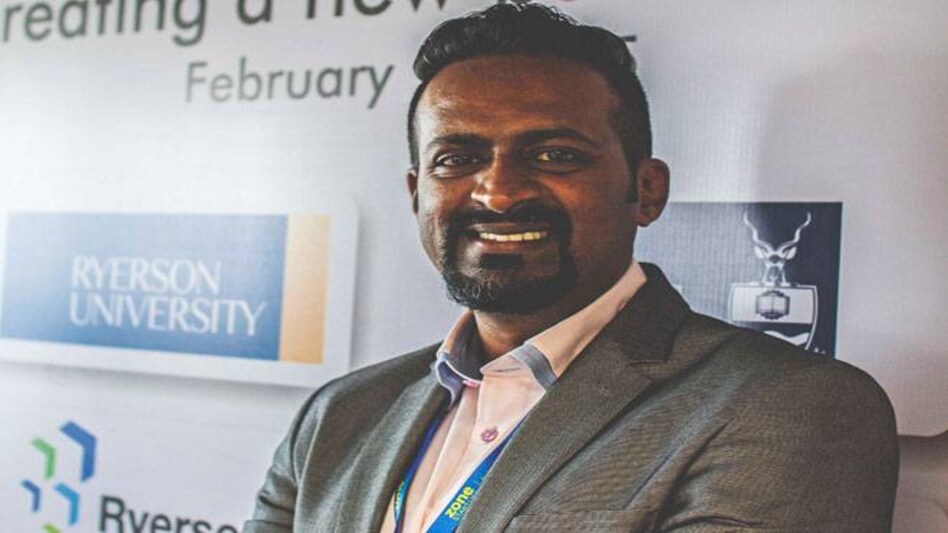
 Ajay Ramasubramaniam, director at Zone Startups India.
Mumbai-based start-up accelerator Zone Startups India recently raised Rs 190 crore of funding, which it plans to invest in 50-60 start-ups in the next two to three years. A joint venture between BSE Institute, Ryerson University's Digital Media Zone, Ryerson Futures Inc and Simon Fraser University, the accelerator was founded in February 2014 and has already assisted about 60 start-ups so far. Here's an edited transcript of BT's interview with the company's Director Ajay Ramasubramaniam.
BT: Bangalore is known as the start-up hub of the country. So why did you chose Mumbai as your location?
Ramasubramaniam: In Mumbai, there isn't any ecosystem as such for start-ups, so instead of being 'nth' incubator or accelerator in Bangalore or Delhi, we rather wanted to be a pioneer one. Additionally all the sectors that adopted technology early on - like banking and financial services, media and entertainment - are situated in Mumbai. So it was a very strategic decision. Also being the financial capital of India there is a lot of investment floating in Mumbai and for an accelerator, access to funds is very important.
BT: Start-ups are hot right now but five years ago nobody would have really wanted to leave a large corporate job and join a new company. Do you think start-up culture is here to stay?
Ramasubramaniam: Five years ago India was not even in top 20 when it came to venture capital investment in the world but today it is at number three.
 Jio Platforms IPO: Will mega listing unlock value for Reliance shares or upside already priced in?
 Jaishankar-Rubio meet today: Trade deal, defence, West Asia crisis, energy cooperation on agenda
 Another roadblock for Elon Musk's Starlink? Govt mulls security system for foreign satcom firms
 Market holiday: Are BSE, NSE closed or open on account of Dussehra 2026 today?
 ‘Not active as a captain; shared all information asked of us’: Rapido on accused linked to Tiger Shroff shooting case
 More RBI Rate Hikes Ahead? PPFAS Mutual Fund CIO Shares His Outlook
 Retirement Planning: How a ₹10,000 Monthly SIP Can Grow to ₹1 Crore in 20 Years
 Volkswagen On CNG Cars, JSW Partnership And India's Auto Market Outlook
 5 Mutual Fund SIP Mistakes That Can Hurt Your Long-Term Wealth
 Xiaomi Mijia Air Purifier 6 Review: Worth ₹19,999 Before Winter? | Tech Today
 Jio Platforms IPO: Will mega listing unlock value for Reliance shares or upside already priced in?Market holiday: Are BSE, NSE closed or open on account of Dussehra 2026 today?
 Jio IPO draws 30 times anchor demand, brokerages see more upside in digital business
 Indian stock market outlook: Nikunj Saraf prefers large-caps, cautions against small-caps
 Hindustan Zinc Q2 earnings: Net profit zooms 149%, revenue at Rs 15,093 crore More RBI Rate Hikes Ahead? PPFAS Mutual Fund CIO Shares His Outlook
 France imposes overnight curfews and protest restrictions in Paris, Lille and Nice after violent unrest
  Rajinikanth’s Jailer 2 crosses ₹400 crore worldwide : What box-office figures actually measure‘Not active as a captain; shared all information asked of us’: Rapido on accused linked to Tiger Shroff shooting caseJio Platforms IPO: Will mega listing unlock value for Reliance shares or upside already priced in?












