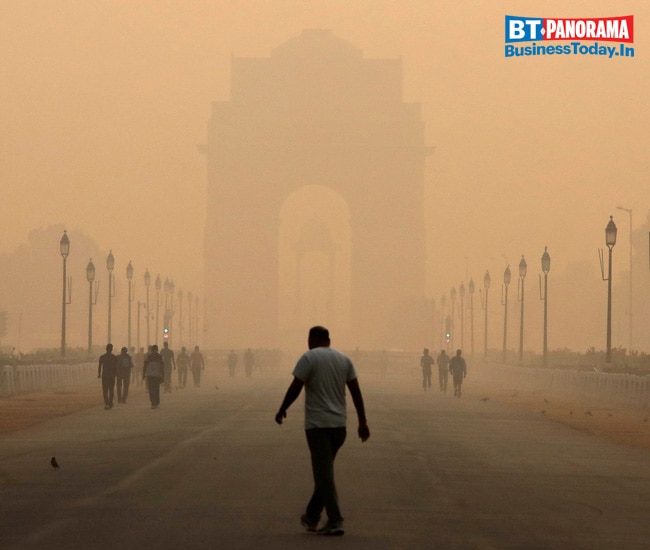
Stubble burning and its effects on air pollution
Burning the fields right after harvest from late September and all through October has been a regular practice by farmers in Punjab and Haryana who consider it cost effective. There are some advantages that farmers cite like the killing of weeds, slugs and other pests when crop residue. But it's the low cost of disposal that makes it an attractive option for farmers. Of late, the disadvantages have outweighed them. There is a risk of fires that can spread out of control. In recent years, it has led to toxic clouds forming over Delhi and the National Capital Region which are beginning to threaten life. Satellite images released by NASA have shown stubble burning and formation of smog over northern India. Despite India's aim to reduce stubble burning by 70 per cent this year, the fires have only got bigger as farmers get ready for the winter planting.



 Gold And Silver Outlook: Expert Explains Why Investors Should Avoid Heavy Buying Now
 REITs Delivered 15% Returns: Is Commercial Real Estate India's Next Big Investment Bet?
 Dollar Vs Rupee: Why Expert Expects INR To Stabilise Around 94 In 2027
 Health Insurance Premiums: Do Delhi And High-Pollution Cities Pay More? Siddharth Singhal Explains
 Pollution-Linked Diseases: 3 Health Insurance Checks You Must Make To Ensure Adequate Coverage