


 “On the downside, there’ll be a positive correlation. So be prepared—everyone could end up unhappy,” he said.
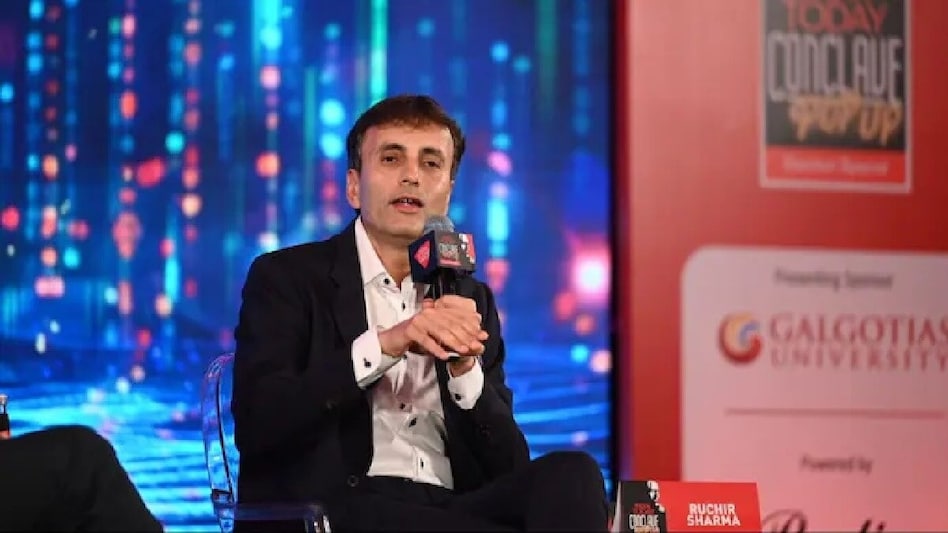
Gold prices are surging—and so is investor euphoria. But according to Breakout Capital CIO Ruchir Sharma, this “gold party” might be living on borrowed time, fueled less by fundamentals and more by a flood of excess liquidity.
Speaking to CNBC, Sharma warned that gold’s recent rally resembles 1979, not just in performance but in the conditions driving it—rampant liquidity, geopolitical stress, and now, speculative flows from retail and ETFs.

 AI revenue is surging at Indian IT firms, but how much is adding to growth?
 Festive spending in urban India to drop 6% to ₹1.97 lakh crore amid inflation: Survey
 India to overtake Japan as world’s fourth-largest economy in 2027: IMF projections
 BT Explainer: What the SC verdict on Yes Bank’s AT-1 bonds means for the lender and will it alter AT1 bonds as such?
 Stock market: India back on investors’ radar as they warm to ‘non-AI stories’, says HSBC
 Jio IPO: Mukesh Ambani's Big ₹30,213 Crore Bet, Reliance Employees Asked To Invest?
 Flying Cars Are Here? Elon Musk Shows Tesla Roadster Flying Through Air In Stunning Demo
 Ramakrishna P, CEO, India Mobile Congress Talks To Us About India’s Next Digital Frontier
 Market Recovery: Gaurang Shah Picks Banking, Defence, Power And Cement Stocks For Fresh Bets
 Will IDBI Employees Lose Jobs? DIPAM Secretary Arunish Chawla Clears The Air On Pension & Benefit
 CCL Products shares fall 9% on Q2 results; brokerages see up to 30% upside
 PNB Q2 earnings: Net profit rises 13%, asset quality improves
  BT Explainer: What changes for investors post revision of new Closing Auction System
  PC Jeweller shares hit 52-week high; stock jumps 75% YTD; what analysts say
 Federal Bank Q2 earnings: Net profit at record high, asset quality improves
  Planning to buy a Maruti Suzuki car this festive season? Check October discounts on these models
 Can Electronic Gold Receipts overcome GST and liquidity hurdles to unlock India's gold market?
 Thailand’s 'Casio connection': How a $60 watch became a symbol of political power
 Unlocking universe secrets: CERN, Mistral partner on Large Physics Model. What it means?
 India invested just $15 billion in AI against $757 billion in US: Why private capital matters












