












 The Centre maintains that higher tobacco taxes bring India closer to global public health standards.
If buying a pack of cigarettes has suddenly started to feel noticeably heavier on the pocket, it is not just perception. A fresh round of excise duty changes that came into force on February 1 has sharply pushed up cigarette prices across brands and sizes, with smokers already feeling the impact at retail counters.
Distributors say cigarette packs are now costlier by at least Rs 22–25 for every pack of 10 sticks, with premium and longer variants witnessing even steeper hikes. While manufacturers are yet to officially notify revised maximum retail prices (MRPs), the increase is already evident on the ground, according to a PTI report.
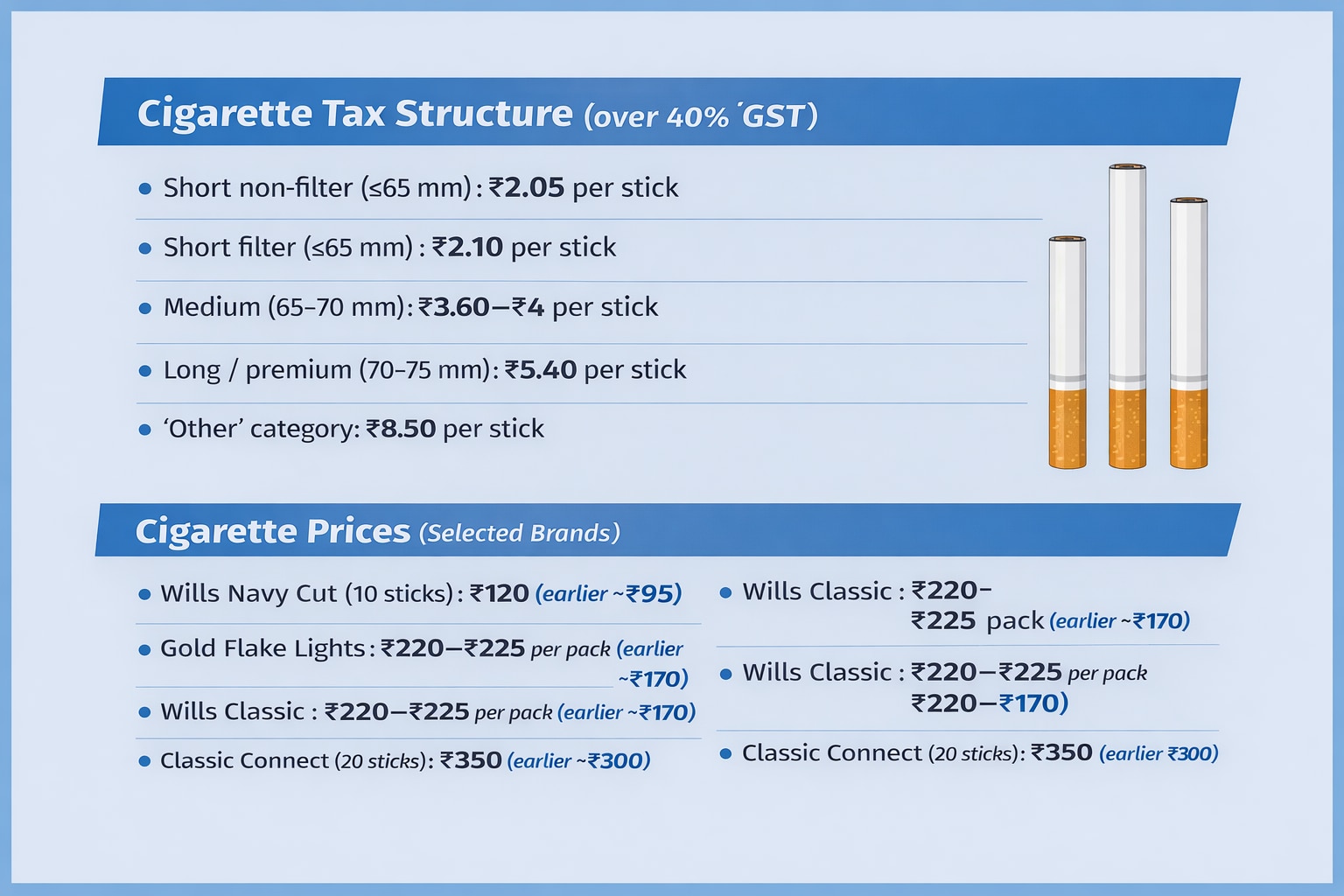
Popular brands are seeing sharp upward revisions. A widely sold mid-sized cigarette such as Wills Navy Cut (76 mm), which earlier retailed at around ₹95 per pack, is now expected to be priced close to Rs 120. Longer cigarettes like Gold Flake Lights, Wills Classic and Wills Classic Milds (84 mm) are likely to jump from about Rs 170 to Rs 220–225 per pack. Slim cigarettes have not been spared either. Classic Connect (97 mm), which earlier sold for Rs 300 for 20 sticks, could now retail at around Rs 350, PTI reported.
Why cigarette prices are rising
The sharp spike follows the implementation of an additional excise duty on cigarettes and tobacco products, over and above the highest 40 per cent GST rate, effective February 1. This marks a significant shift from the earlier tax framework of 28 per cent GST plus compensation cess, which had been in place since the rollout of GST in July 2017.
Under the revised tax structure, excise duty is now linked to cigarette length, making longer and premium cigarettes significantly more expensive. Short, non-filter cigarettes of up to 65 mm attract a duty of about ₹2.05 per stick. Medium-length cigarettes face duties in the range of Rs 3.6–4 per stick, while long and premium cigarettes are hit hardest, with duties of around Rs 5.4 per stick. Only unusual or non-standard designs attract the highest levy of Rs 8.50 per stick, a slab that most mainstream brands typically avoid, PTI said.
Simply put, the longer the cigarette, the higher the tax and the sharper the price hike for consumers.
What’s happening on the ground
With wholesale markets shut on Sunday, distributors said old stock was billed to retailers under the higher 40 per cent GST rate, even as manufacturers temporarily held back fresh supplies while working on revised MRPs. New stock carrying updated prices is expected to start reaching markets from Monday, with a full rollout likely by the end of the month, PTI reported.
Some companies have already paused dispatches. “They will start releasing stock only after billing under the new tax structure,” a stockist told PTI, adding to short-term supply tightness in some markets.
Other products
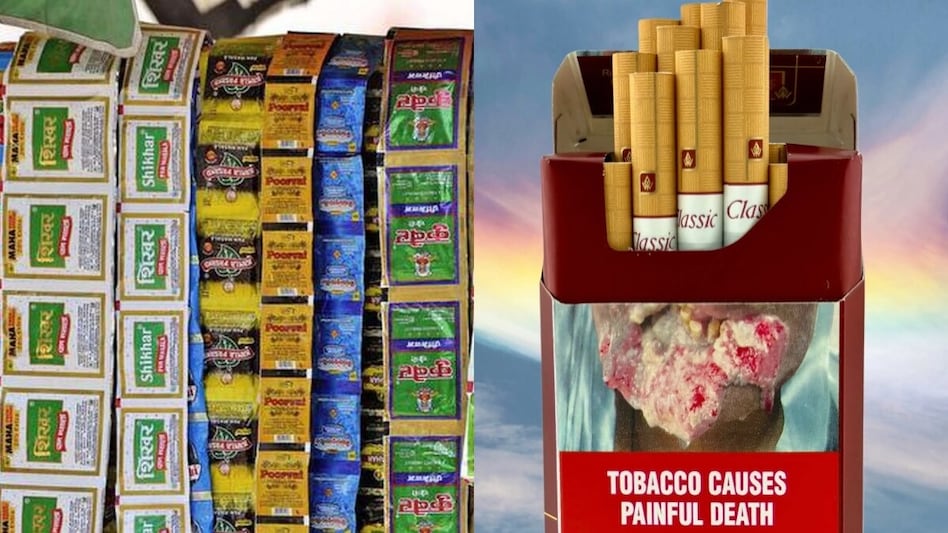
The tax overhaul extends beyond smoking products. A health and national security cess has been introduced on pan masala, while products such as chewing tobacco, khaini, jarda and gutkha will now be taxed under a new MRP-based valuation system. Pan masala manufacturers are also required to seek fresh registrations, install CCTV cameras at packing units, and disclose machine capacities to excise authorities, PTI reported.
Despite the changes, the government has said the overall tax burden on pan masala will remain close to 88 per cent, even after factoring in GST.
Health vs profits
The Centre maintains that higher tobacco taxes bring India closer to global public health standards. According to World Bank estimates, India’s tax incidence on cigarettes stood at about 53 per cent of the retail price, well below the 75 per cent level recommended by the World Health Organization. Countries such as the UK and Australia tax cigarettes at 80–85 per cent, while several middle-income nations have also raised tobacco levies sharply in recent years.
Distributors and retailers, however, remain concerned. The All India Consumer Products Distributors Federation (AICPDF) has warned that steep price hikes could encourage smuggling and counterfeit products, hurting small kirana stores that continue to depend heavily on tobacco sales.
Looking ahead, Crisil expects cigarette volumes in India to contract by 6–8 per cent in the next financial year due to the tax hike. For smokers, though, the impact is immediate and unmistakable—lighting up has become a far more expensive habit, and with revised MRPs still rolling out, the full price shock may yet play out.

 Adani's airline push: Letter shows group wants to launch carrier, says report
 Should you buy every IPO? Research suggests patience may be the smarter strategy
 Mphasis shares: FY27 guidance maintained; brokerages keep 'Buy' after Q1; check target price
 Trump keeps military option open, says Iran is getting serious in nuclear talks
 PM Modi thanks youth for overwhelming response to late-night video on exam reforms
 Think Life Insurance Is Optional? Here's Why Every Indian Family Needs It Today
 FD Vs Arbitrage Fund: Which Is Better For High Taxpayers?
 Manipal Health Enterprises Sets Price Band For Rs 9,275 Crore IPO, Opens July 29
 "Sack Education Minister First": Rahul Gandhi Vs Rijiju Clash Locks Parliament Over NEET Debate
 Anti-Paper Leak Amendment Bill Approved: 10-Year Jail, ₹10 Crore Fine & Fast-Track Courts Planned
 ITC shares: Rs 307 a key short-term level to watch; here's target priceMphasis shares: FY27 guidance maintained; brokerages keep 'Buy' after Q1; check target priceShould you buy every IPO? Research suggests patience may be the smarter strategy
 Sensex, Nifty extend losing streak to fifth day; analysts see cautious trend ahead
 Bank of Baroda Q1 profit slumps 72% to Rs 1,278 crore after one-time exceptional lossITC shares: Rs 307 a key short-term level to watch; here's target priceThink Life Insurance Is Optional? Here's Why Every Indian Family Needs It Today
 BT Explainer: What are Fast-Track courts and how fast do they work?Adani's airline push: Letter shows group wants to launch carrier, says reportMphasis shares: FY27 guidance maintained; brokerages keep 'Buy' after Q1; check target price