


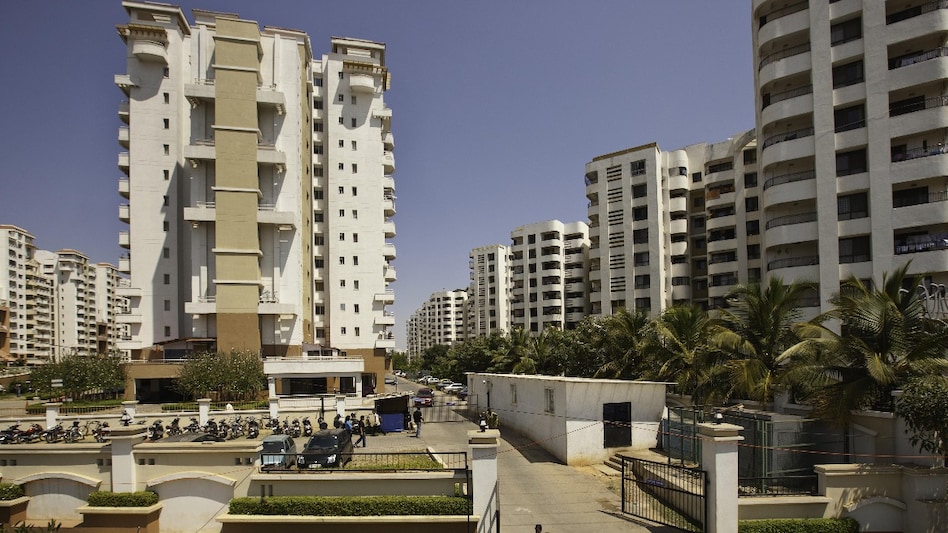
 According to a joint report by CII and Knight Frank India, India faces a cumulative shortfall of 31.2 million affordable homes by 2030, representing a potential market worth Rs 67 lakh crore.
India’s affordable housing market — once a major driver of urban real estate — is increasingly under pressure. Soaring construction costs, skyrocketing land prices, and shrinking developer margins have sharply reduced the supply of new affordable housing projects in key metros such as Mumbai, Delhi NCR, Pune, and Bengaluru.
According to Darpan Paisal, Director, Jenika Ventures, “Increasing land and building prices have become the biggest spoils to affordable housing stock for large Indian cities.” Construction costs have surged by nearly 40% over the last five years, driven by steep increases in steel, cement, and copper prices, as well as global inflation and material shortages. Labour costs have risen even faster — up 150% since 2019, including a 25% jump in the past year alone.

 'AI ending humanity is nonsense': Ex-Infosys CEO Vishal Sikka rejects growing doom warnings
 'Majority among two is two': Tata Trusts says Chandrasekaran reappointment failed AoA condition, has no legal effect
 ICAI plans further reforms to scale up homegrown accounting firms
 'Modi admin has done a phenomenal job': Blackstone's Jon Gray on what changed in India
 'SC/ST Act is being weaponised': Tech CEO backs IIT Bombay Professor, calls for case withdrawal
 Gold Price Target 2026: Expert Sees MCX Gold At ₹1.8 Lakh By Year-End Amid Strong Demand
 Health Insurance: Why Pre-Existing Diseases And Waiting Periods Matter For Buyers
 Crude Oil Above $100: How High Energy Prices And Rupee Weakness Impact Gold Prices In India
 CEA On India’s Manufacturing Rise, Atmanirbhar Bharat And Modi’s Economic Policy
 Health Insurance Buying Guide: 7 Things First-Time Buyers Must Check Before Choosing A Policy
 SpaceX weight in Nasdaq 100 to jump to 2.82% following quarterly index rebalance: Report
 Tata Motors or Ashok Leyland? Analyst reveals his preferred auto stock for near-term gains
 Maharashtra Scooters, Dixon Tech, Bharat Dynamics, Jai Corp among stocks to turn ex-dividend on Monday
 Jindal Supreme, SS Retail, Hero Motors IPOs subscribed up to 181 times on final day; details here
 Sensex, Nifty post sixth weekly loss; TCS, Titan among top laggards, slip up to 4%
 LPG refill without Aadhaar authentication: What changes from October 1 and how to get subsidy
 From terrace Wi-Fi to IIT Delhi: How this Mumbai student secured AIR 2,456 in JEE Advanced
 Hormuz crisis exposed the world's energy weak spots: Why the next shock could hurt more
 ‘Just have to know what floats your boat': Former Uber CMO on quitting Rs 1 crore job for farm life
 Could AI really kill us all? Here’s what MIT researchers fear and what they don’t












