


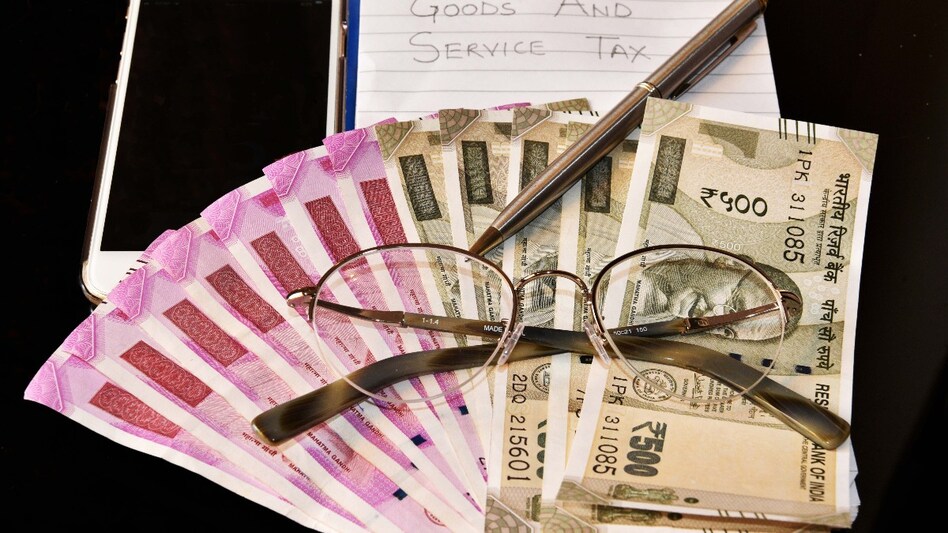
 Currently, health insurance, term life insurance, and unit-linked insurance plans are subject to an 18 per cent GST rate.
The 55th meeting of the GST Council to take place on December 21, 2024, Saturday, will address a range of issues including adjustments to rates for various sectors such as insurance, luxury goods, aviation turbine fuel (ATF), and more. In the past few months, it has been discussed that the Council is expected to consider proposals aimed at lowering GST rates on premiums for life and health insurance policies.
Besides, there is a strong possibility of a revised focus on reducing the tax burden for individuals by decreasing rates on essential items like food delivery services, bicycles, and packaged drinking water.

 Tata Trusts propose merger of two Tata units with Tata Sons to avoid listing
 Essar Group's Mesabi Metallics plans $15 billion US steel mill, Trump to unveil the project
 Air India CEO-designate Tewolde lays out 5 priorities, puts safety and reliability first
 Nifty set for worst returns in 15 years, analysts weigh in
  India's industrial output hits 8% growth in August, manufacturing up 9%
 Multi-Cap Vs Flexi-Cap: Which Fund Fits Your Portfolio & Risk Appetite?
 Crude Oil Next Big Commodity Bet? | Strait Of Hormuz Crisis | Commodity Outlook
 Nifty Falls: 22,500-22,300 Next? Expert Warns Against Bottom Fishing Amid Sharp Sell-Off
 Meta Muse AI & Smart Glasses, iPhone 18 Pro Max In-Depth Review & Easy iOS Data Transfer | Tech Today
 Silver Slips Below 200 DMA: Why This Crash Is A Golden Buying Opportunity | Navneet Damani
 FIIs pulled out $40 billion from India in 2 years: Why foreign investors are staying away
 India stocks look expensive versus Asia as earnings growth lags: DBS
 India’s mid- and small-cap stocks among world’s most expensive, says Ruchir Sharma
 BSE stock may test Rs 3,000 mark, says analyst; stays positive for long term
  Why HDFC Bank, TVS Motor shares are top picks amid ongoing correction FIIs pulled out $40 billion from India in 2 years: Why foreign investors are staying away
 BT BIG STORY: Why crypto is still thriving among Indian investors
 iPhone 17 at ₹79,999, Pro Max under ₹80,000? Check Flipkart’s Big Billion Days deals
 Housing sales in top seven cities rise 3% on-year in Q3; Mumbai records highest salesMulti-Cap Vs Flexi-Cap: Which Fund Fits Your Portfolio & Risk Appetite?












