


 Food sent to space must pass strict safety and performance checks before it can be approved for astronauts.
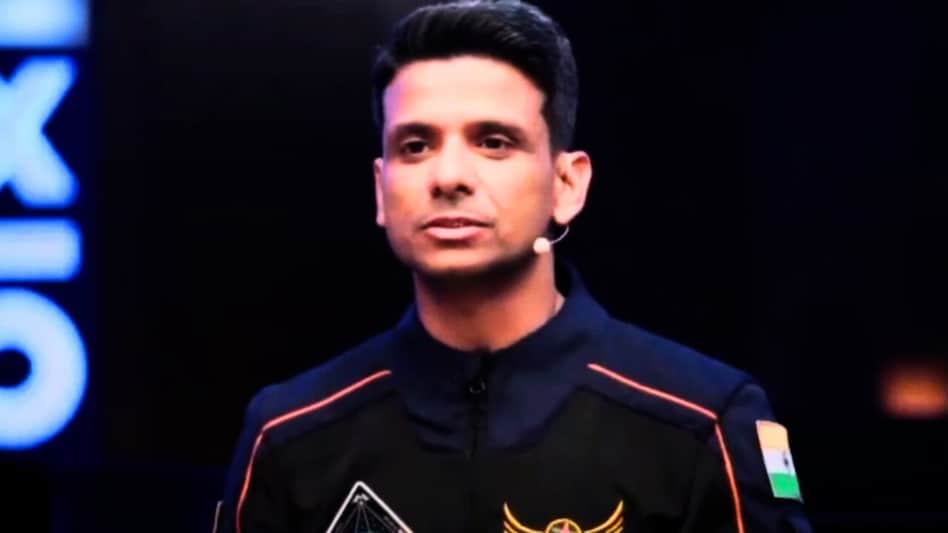
India's efforts to send a wider range of homegrown dishes to space faced a setback during astronaut Shubhanshu Shukla's mission to the International Space Station (ISS), with only three Indian food items clearing the rigorous qualification process required for spaceflight.
The astronaut has now revealed that several planned dishes, including khichdi and pulao, could not make it onboard because they did not complete all the required testing in time.

 UPI stays free: Finance Ministry bars charges on transactions up to Rs 2,000
 'Don't kill the Golden Goose': Trump says US must keep its AI lead over China
 Made-in-India cars are winning over Japan! Maruti powers nearly two-thirds of Suzuki's global production
 Amazon bets big on value commerce as Bazaar grows 5X, expands beyond Tier-2 and Tier-3 India
 Inflation heats up: Food prices rise, crude crosses $100; what it means for your wallet
 Why Crude Oil Prices Are Rising Again Now?
 Modi Xi Meet After 7 Years In India Signals Possible Reset In Bilateral Ties
 BRICS Summit 2026: India Secures New Delhi Declaration After Intense Negotiations
 BRICS Summit 2026: Modi’s Big Diplomatic Win As New Delhi Declaration Gets Backing
 Dario Amodei, Sam Altman, Elon Musk Back AI Slowdown Call Amid Growing Safety Concerns
 Varun Beverages shares slip 25% from 52-week high; more downside ahead?
 Uno Minda gets 'IND A1+' credit rating for commercial papers from India Ratings
  Karnataka Bank, Pondy Oxides, ITDC, Blue Dart among stocks to turn ex-dividend on September 15
 Stock market outlook: Crude oil prices, US Fed's policy decision among key factors to watch out for this week
 Raghav Productivity Enhancers' subsidiary bags patents for quartz processing
 EV owners beware: These service mistakes could leave you with a costly repair bill
 A man used OpenAI's GPT-6 Astra to book IRCTC train ticket from Mumbai to Rajkot
 ₹1.25 lakh shock: This 3-wheel electric scooter could change city riding
 Ladakh’s Tso Kar rescue: Can 320 million litres of glacier water change its fate
 Amazon Great Indian Festival 2026: Rufus AI reveals possible sale dates, deals and ways to save more












