









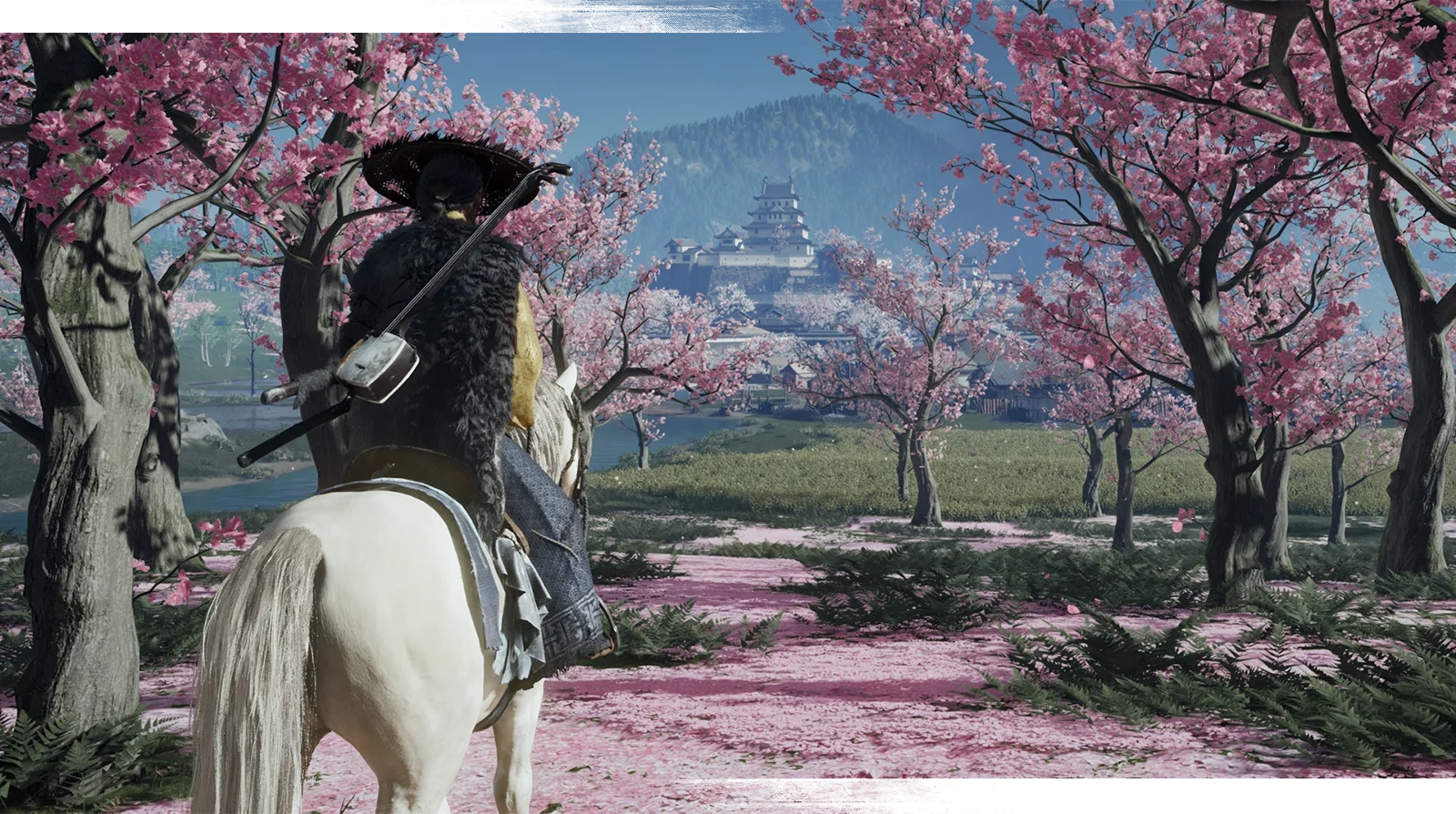



 Ghost of Yōtei
In Ghost of Yōtei, Sucker Punch once again proves that few studios can capture the poetry and brutality of samurai life quite like they can. This is the spiritual successor to Ghost of Tsushima, but it’s not just a continuation of that story. It’s a darker, more personal tale that trades Jin Sakai’s conflicted honour for Atsu’s burning rage, and the result is a more focused, emotionally charged adventure that feels both familiar and revitalised.
My steed, Kaze, is both my lifeline and my constant source of accidental comedy. The game’s meticulous controls sometimes betray me; one wrong button press and poor Kaze comes galloping into a bloodbath that was never meant for her. Yet even in those chaotic moments, Ghost of Yōtei manages to stay cinematic. Every duel, every desperate scramble through the snow-dusted forests of Ezo, feels crafted with the eye of a filmmaker and the precision of a blade master.
The story begins, as all great revenge tales do, in tragedy. Atsu’s family is massacred by the Yōtei Six, a band of masked ronin who now rule the north through fear. What follows is a long, punishing journey of vengeance that sees Atsu hunting each of them across the sprawling, unforgiving landscape of 1600s Japan. It’s not groundbreaking, but Erika Ishii’s performance as Atsu anchors the story with raw intensity. She is not a tortured soul wrestling with morality. She is a weapon, sharpened by grief, and you feel every ounce of her resolve in each encounter.
Combat is where Ghost of Yōtei truly shines. The swordplay builds upon Tsushima’s foundation but pushes it further. You can now switch between dual katana, a spear, a bow, and the mighty ōdachi, each offering distinct rhythm and weight. Parrying still feels sublime, and those one-on-one standoffs remain some of the most thrilling sequences in modern action games. Every duel feels earned. Even 25 hours in, I was still holding my breath, waiting for that single decisive strike. It’s challenging, deliberate, and deeply satisfying.
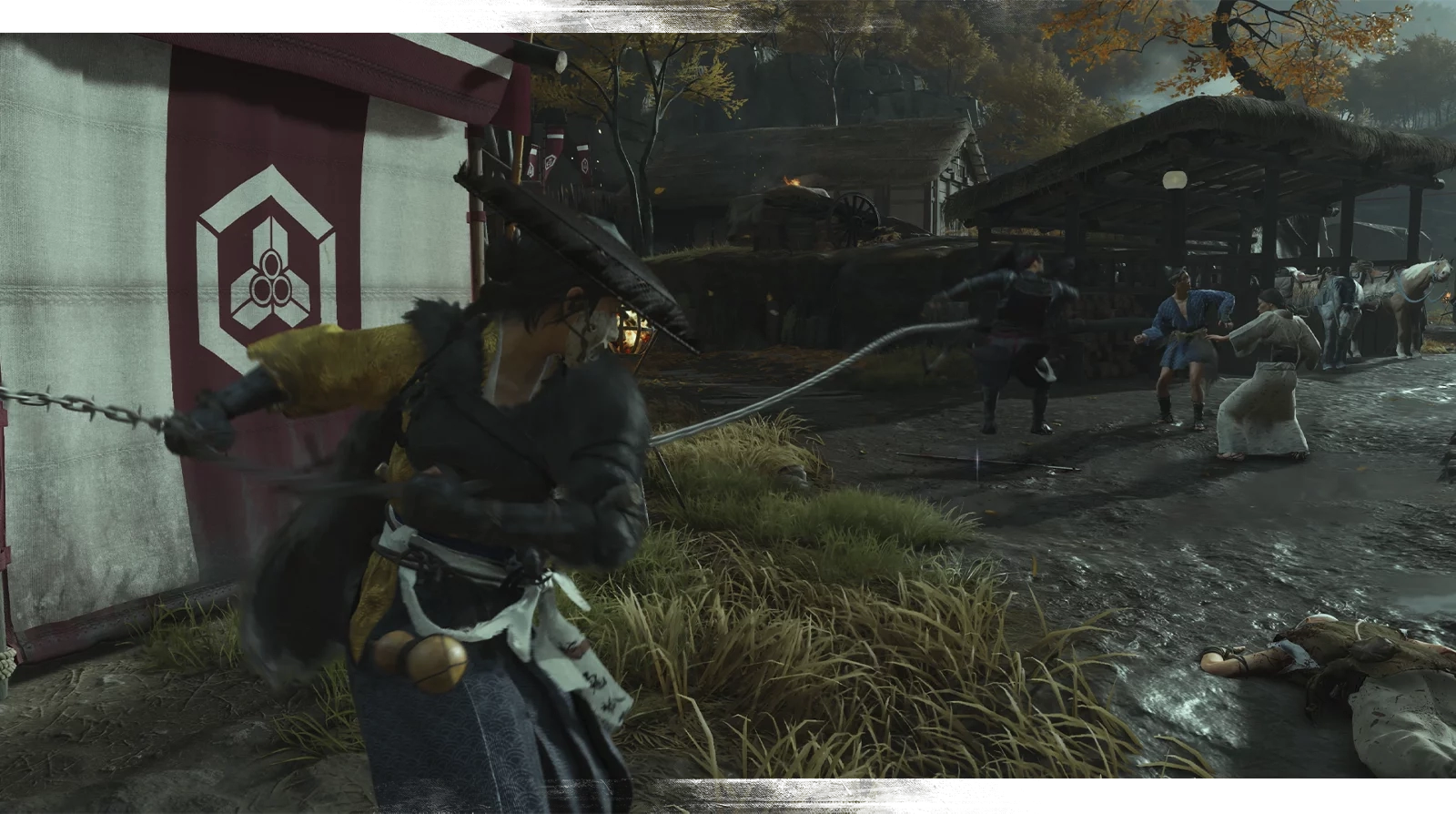
Visually, this might be the most stunning open world on PlayStation 5. From the golden light cutting through cedar forests to the mist curling over frozen lakes, every inch of Ezo feels alive. The absence of a traditional map again encourages exploration through natural cues. The wind guides your direction, wildlife hints at secrets, and shrines tucked between cliffs reward curiosity with moments of calm reflection. One moment you might be slicing through bandits under the aurora; the next, sitting by a fire painting with ink or playing the shamisen through the DualSense’s touchpad. It’s the kind of detail that makes you forget about the usual open-world clutter and just live in the moment.
What stands out most is how Ghost of Yōtei balances solemnity with freedom. Where Tsushima sometimes felt weighed down by its own reverence for tradition, Yōtei embraces its cinematic nature. It’s more violent, more expressive, and unapologetically stylish. The influence of both Kurosawa and Leone lingers in every scene. The soundtrack, blending shamisen with twanging guitars, amplifies this east-meets-west aesthetic beautifully.

As Atsu’s reputation spreads, villagers begin leaving offerings at shrines for the “onryō of Ezo”, the ghostly avenger they believe her to be. It’s a small but powerful touch that makes her myth feel real. You start to feel part of this land, as if your journey leaves an imprint on its people and its wildlife alike. Wolves fight beside you, foxes guide you to hidden springs, and you sense that the world is quietly acknowledging your vengeance.
Ghost of Yōtei doesn’t reinvent the open-world formula, but it perfects the tone and focus that Tsushima sometimes lacked. It’s leaner, more deliberate, and entirely confident in what it wants to be. Every strike, every whispered gust of wind, and every quiet moment by the fire carries purpose.
By the time Atsu’s blade finds its final target, you’re left with that rare feeling of completion, not just for the character, but for yourself as a player. Ghost of Yōtei is more than a sequel; it’s a masterclass in restraint, beauty, and vengeance.
For Unparalleled coverage of India's Businesses and Economy – Subscribe to Business Today Magazine

 Exam reforms: Tech titan Nandan Nilekani picked by PM Modi to fix national public examination system
  'Tax officers struggled for own land': Nirmala Sitharaman slams laidback attitude of govt depts
 CBDT issues new crypto reporting guidance: No new tax, but exchanges must track and report all transactions
 Did Cockroach Janta Party's 'Chalo Sansad' 2.0 threat trigger Dharmendra Pradhan's resignation? What we know so far
 'Will discharge my responsibilities with complete humility': Pralhad Joshi after being appointed Education Minister
 AI Data Centers, Aerospace & Gas Turbines: What's Powering Indo-MIM's Future Growth?
 Best Healthcare Stocks: Gaurang Shah's Outlook On Apollo Hospitals, Fortis & The Manipal Health IPO
 Is Indo-MIM's IPO Valuation Justified? Here's Why The Company Sees Strong Growth Ahead
 Treasury Bills Explained: Why T-Bills Are One Of The Safest Short-Term Investment Options
 FDs vs Markets: Where Should You Keep Your Short-Term Money?
 Gland Pharma stock: Price target of Rs 3,250 likely in medium term, says analyst
  Metal recycling stocks to buy: Gravita, Pondy Oxides, Jain Resource among top picks
 TRIL shares: Should you average the falling stock? Here's 'fixed and final' stop loss
 Adani Power: 45 GW target, Rs 2 lakh crore capex plan among conference call highlights
  ITC Hotels, Chalet, Ventive, IHCL, SAMHI: Hotel stocks to buy despite travel disruptions
 Beyond mutual funds: Why analysts see SBI Funds' alternative asset business as a long-term growth engine
 'Ashamed of it...': Manoj Muntashir calls Adipurush his biggest mistake, seeks country's forgiveness Exam reforms: Tech titan Nandan Nilekani picked by PM Modi to fix national public examination system 'Tax officers struggled for own land': Nirmala Sitharaman slams laidback attitude of govt depts
 Delhi targets traffic bottlenecks on Aruna Asaf Ali Marg with ₹1.97 crore elevated road study