


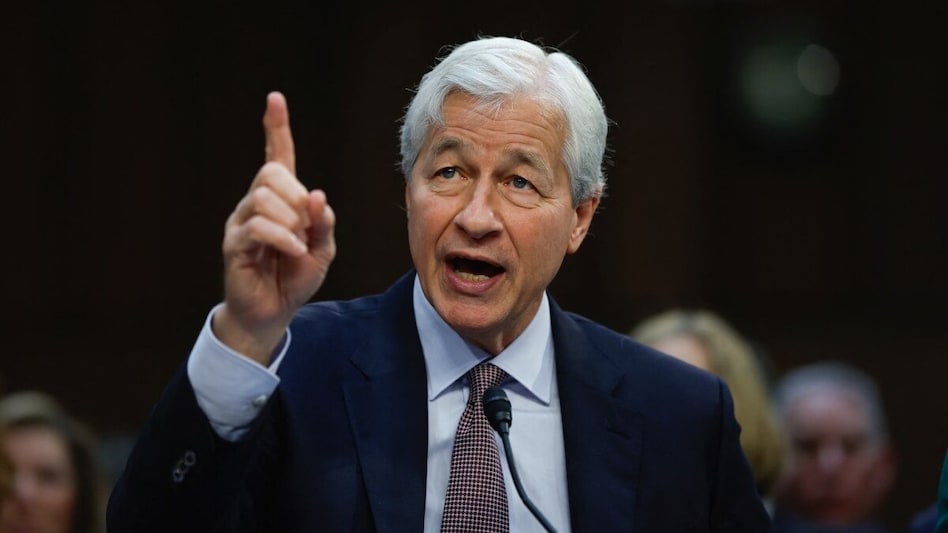
 As automation advances, Dimon urged workers to focus on developing capabilities that go beyond technical know-how.
 Jamie Dimon, CEO of JPMorgan Chase, cautioned that artificial intelligence will inevitably eliminate jobs, even as it promises long-term gains for productivity and living standards. Speaking in a recent interview with Fox News, the head of America’s largest bank said society must prepare for workforce disruption by equipping people with skills that machines cannot easily replicate.
While Dimon struck an optimistic note on AI’s potential to improve lives over time, he was blunt about the transition ahead. “It will eliminate jobs,” he said, adding that the pace of change could prove challenging if societies fail to adapt quickly enough.

 RBI's forex swap scheme pulls in record $143.6 billion till Sep 18
  Bank strike next week: Five-day disruption may hit your salary credits
 NSE IPO subscribed 5.7 times as QIBs lead demand; shares to list on BSE on September 24
 Indian Oil, HPCL, BPCL shares rise as brent crude prices fall for fourth day
  Tata Sons power struggle: Who will pay for the next legal battle?
 Burqa Ban In Italy? Meloni Pushes New Rules On Face Coverings
 Tata Trusts-Tata Sons Row: Harish Salve Explains RBI Rules, Singhvi Flags Shareholder Rights
 Top Legal Eagles Flock To Tata Sons & Tata Trusts As Boardroom Clash Heads To Court
 Over Next Three Years Company Expects To Invest ₹15,000 Cr For Deepwater Exploration
 Tata Sons Listing Row: Shapoor Mistry Backs IPO As Noel Tata Pushes ₹25,000-Crore Plan
 NSE IPO subscribed 5.7 times as QIBs lead demand; shares to list on BSE on September 24
 Brokerage sees 96% upside potential in this smallcap stock
 Dr. Reddy’s, Lupin shares among buzzing stocks as pharma sector back in focus
  3 Warren Buffett quotes for Indian stock market investors today
 Sensex jumps 564 points, Nifty tops 23,400; will this upmove sustain?
 'Demand still being examined, refrain from strike': Finance Ministry urges bank employeesNSE IPO subscribed 5.7 times as QIBs lead demand; shares to list on BSE on September 24RBI's forex swap scheme pulls in record $143.6 billion till Sep 18
  Australia Tightens Student Visa Rules: Indian Students May No Longer Bring Family Members
 India Examining Details Of New US Tariffs On Russian Oil Buyers: Piyush Goyal












