








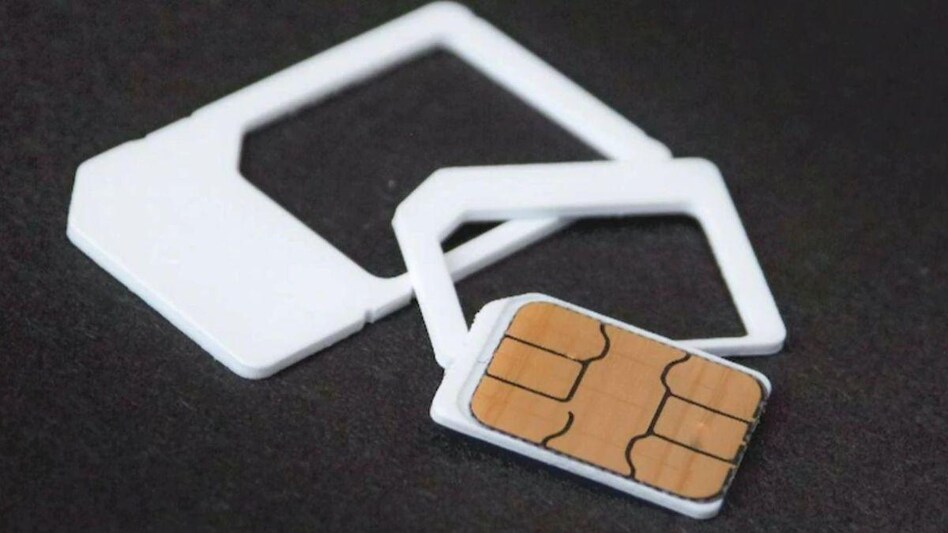
When Apple launched its iPhone 14 series in the fall event 2022, it announced that all the iPhone 14 models retailing in the US will not have physical SIM slots. This means, iPhone 14 will only support eSIM. While the presence of eSIM is not new, it became the talk of the town after iPhone 14 launch. Especially in India where many people wait for their relatives to bring them iPhones from the US as it is relatively cheaper, they were left with only two options: either to switch to eSIM or buy an iPhone from India itself. While the concept of eSIM is not widely embraced, it is significantly more secure and beneficial compared to physical SIM. And when we cite benefits it's not just the convenience but safety from cyber attacks like SIM swap frauds.
There has been a significant rise in SIM swap fraud cases in the past few years. Hackers are targeting people and taking advantage of two two-factor authentication and verification used during the activation of a new SIM card with the same number.
To initiate SIM swap, fraudsters first buy a new SIM and then contact the phone's carrier operator to activate it with the same number of other people on the pretext of losing the older SIM card. Later, they trick the person to give OTP and once the activation is complete the scammers get control over the targeted person's phone number. From that moment, all the calls and texts will be forwarded to the scammer's smartphone, which they later use to clean bank accounts.
So how to prevent SIM swap fraud? While there are many ways through which you can be aware of any scammer, one of the safest ways is to switch to eSIM. It's the digital version of a traditional SIM card that can be embedded directly into a device. Unlike traditional SIM cards where we see a dedicated slot to put the SIM in.
It also holds several benefits including:
To activate eSIM you have to register yourself with your details and Personal Identifiable Information (PII). You can also set biometric authentication like face ID or fingerprints to enable multiple layers of security to secure your eSIM account.
Additionally, there is no physical SIM card in an eSIM system, so no scammer can claim that their SIM card got lost or damaged as all the identity details will reside in your phone. Thus preventing cybercriminals from acquiring another SIM card or re-registering the number in their name.
To convert your eSIM first check if your smartphone supports eSIM and if your telecom operator provides eSIM facility. As for Jio, Airtel, and Vodafone-Idea, the telecom operator offers e-SIM at no additional cost.
Notably, if you have not registered your email ID with your existing telecom operator, you will be asked first to update the email and then reinitiate the eSIM process.
For Unparalleled coverage of India's Businesses and Economy – Subscribe to Business Today Magazine
 Inside the India-US interim trade agreement: Reciprocal tariffs on India to come down to 18%, 0% duty on generic pharma
 India-US interim trade pact -- 'Farmers safe, country developed': Piyush Goyal says India's agri exports to go up
 'Reflects growing depth, trust, dynamism': PM Modi on India-US interim trade pact, thanks Donald Trump
 Explained: Why the US is lifting additional 25$ duty on India over Russian oil, what New Delhi promised in return, and more
 'India-US interim trade pact to expand market access for American agri products': US Trade Representative
 RBI Says Trade Deals With EU, US & Others Strengthen India’s External Sector Outlook
 Jeffrey Sachs Praises Modi On India-US Trade Deal: “Trump Blinked, India Must Not Depend On U.S.”
 Agra’s ₹127 Cr Housing Project In Ruins: Flats For Poor Rot Before Occupation
 RBI Credit Policy LIVE Analysis | Aditya Pagaria Explains Rate Pause Impact
 TeamLease Q3 Results: Profit Jumps 47% As Margins Improve Despite Headcount Loss
 'Think about it': Deepak Shenoy warns indices mask stress as majority of Nifty 500 stocks lag
 Bitcoin avoids $60,000 breakdown, still down over 50% from record high
  NSE IPO: NSE board approves long-delayed listing plans; IPO to have equity shares of face value Re 1
 Max Healthcare discontinues patented cancer drugs, writes to CGHS to review pricing
 NSE Q3 net profit falls to Rs 2,408 crore; PAT up 15%, total income rises 6% QoQ