

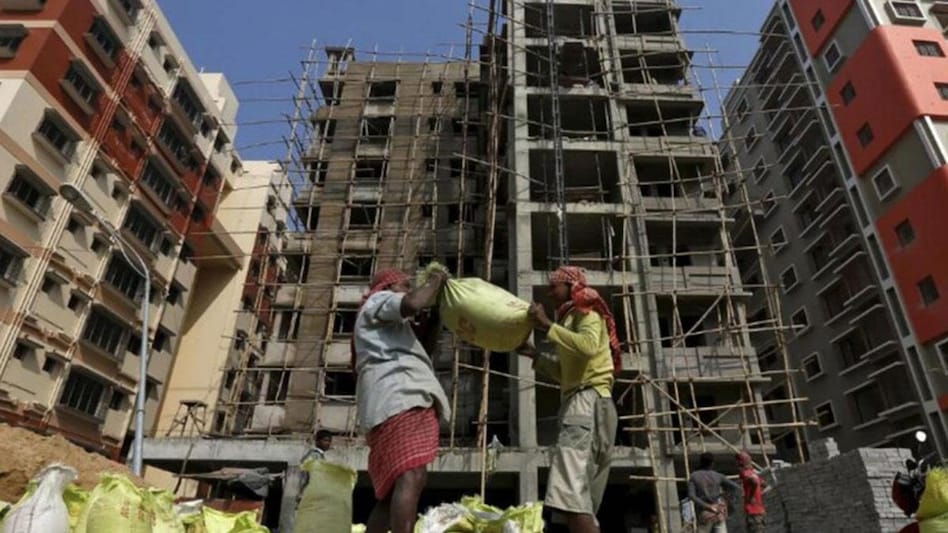
 If the real sector has to sustain the existing demand, the government needs to rationalise taxes further and tweak specific provisions.
After over a decade, the real estate sector is witnessing signs of revival despite the disruptions of the ongoing pandemic. Historic low-interest housing rates and support from various state governments on cuts in stamp duty rates have further aided the demand in the year.
The industry wants the government to aid the sector further. It is the second-largest sector in employment generation after agriculture and the third-largest contributor to GDP. The sector can address unemployment issues and catalyse consumption in the economy right from the grassroots levels.
 BRICS must remove top 10 trade barriers, secure sea routes for seamless trade, says PM Modi
  RBI may hike repo rate 25 bps in October, another hike likely in December: SBI Research
 NSE's selling shareholders set to rake in bonanza amid a weak broader market
 Modi, Putin review India-Russia ties across trade, defence, energy and space
 Solar scale must now give way to resilient grids, storage and finance: Prahlad Joshi
 Market Commentary: Arun Kejriwal On Nifty, Stocks & The Next Big Move
 Gadkari: FASTag Is More Than Toll Payment, It’s Digital Mobility Infrastructure
 Russia Eyes Bigger India Investments: Sberbank CEO Herman Gref On The Next 2-3 Years
 India’s Cybersecurity Is Still In The Awareness Phase?
 Modi-Putin Meet: Trade Deficit, Defence And The Next Phase Of India-Russia Ties In Focus
 NSE IPO: Haven't applied for shares to trade on own platform, says MD and CEO ChauhanNSE's selling shareholders set to rake in bonanza amid a weak broader market
 Milky Mist shares hit 5% upper circuit; here's what analysts say
 Sensex, Nifty settle lower but recover sharply from intraday lows; here's why
 Quantum AMC bets on cash logistics revival as consolidation boosts pricing power
 Modi-Putin 'car diplomacy': Aurus ride at BRICS 2026 continues a years-long tradition
 Coforge independent director D.K. Singh resigns from board amid governance turmoil
 PM Modi, Iranian President Pezeshkian hold talks on West Asia, bilateral tiesRBI may hike repo rate 25 bps in October, another hike likely in December: SBI Research
 Marvel’s Wolverine Review: ‘A fun yet chaotic ride in the Insomniac Universe’












