

 Budget 2026 cuts allocation for pollution control
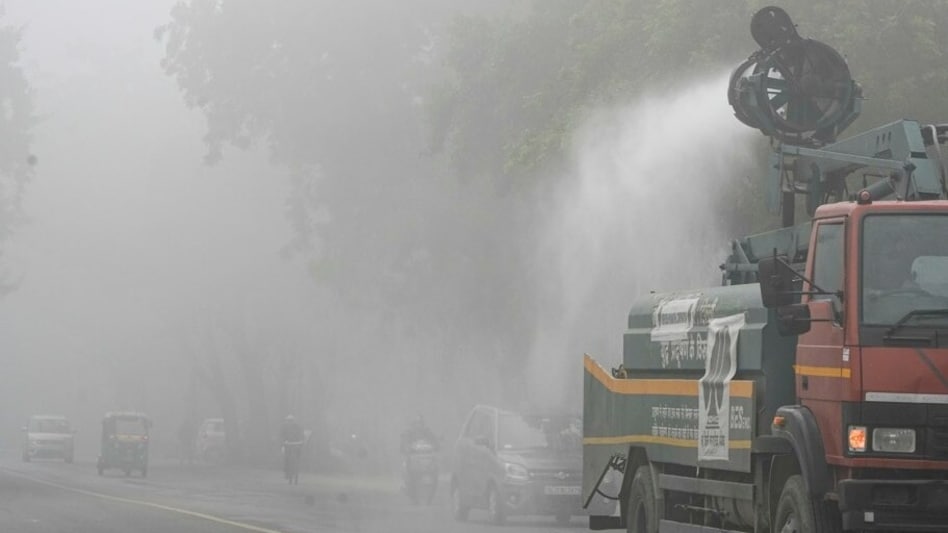
Union Budget 2026–27 has reduced the allocation for pollution abatement to Rs 1,091 crore, down from Rs 1,300 crore in the previous year's revised estimates. This move comes as major cities continue to struggle with toxic smog and an increasing number of extreme climate events, leaving clean-air initiatives with fewer resources at a critical moment. The reduction signals a step back in budgetary support for immediate pollution control measures, raising questions about the prioritisation of environmental health in government policy.
The historical spending pattern highlights the challenge. In 2024–25, the pollution control budget was initially set at Rs 854 crore, later increased to address shortfalls, but actual expenditure for the year was just Rs 16 crore.
 Centre fast-tracks HMT revival plan; ₹2,000 crore package under consideration
  Semicon 2.0 notified: ₹1.27 lakh crore scheme widens India’s chip ambitions
 Defense boost: Tata Advanced Systems signs MoU for Javelin missile co-production
 HDFC Bank succession: Why the new MD and CEO will have to address multiple challenges
 E20 row: Supreme Court refuses petition seeking direction for disclosure of percentage of ethanol content in petrol
 Nepal Floods Ground Report: Towns Flattened, Thousands Missing As Rivers Unleash Devastation
 India GDP Growth Seen At 7.2%: Ajay Bagga's Take On Slowdown, Oil Shock & Monsoon Risks
 RSS Chief Mohan Bhagwat's Big Hindu-Muslim Message In New York Sparks Political Debate
 MSCI Rebalancing Today: Laurus Labs, Lenskart, Adani Energy & Grow In Focus
 Nepal Flood Horror: +900 Dead, Many Missing As Bhote Koshi Surges Again | India Steps In
 HDFC Bank, L&T Finance, GE Shipping, M&M, LG Electronics shares: Expert weighs in
 Inox Wind share price: Hold or average? Expert flags weak earnings, says wait for revival
 NSE IPO in September! This multibagger stock under Rs 100 rally 70% in the runup! more steam left?
 Northern Arc shares jump nearly 12% after Rs 335 crore block deal
 Hindustan Copper tops metal picks, outlook weak on Mrs Bector's Food stock: Analyst
 Sarvam Champions: Indian AI startup to give creators early access to new AI modelsHDFC Bank, L&T Finance, GE Shipping, M&M, LG Electronics shares: Expert weighs inInox Wind share price: Hold or average? Expert flags weak earnings, says wait for revival
 Forged will: Bollywood actor Chandrachur Singh accuses aunt, cousins of stealing inheritance in Aligarh
 'They said I was not Hinduja, Tata or Birla': Rajeev Chandrasekhar reveals how he took a big risk at 27












