


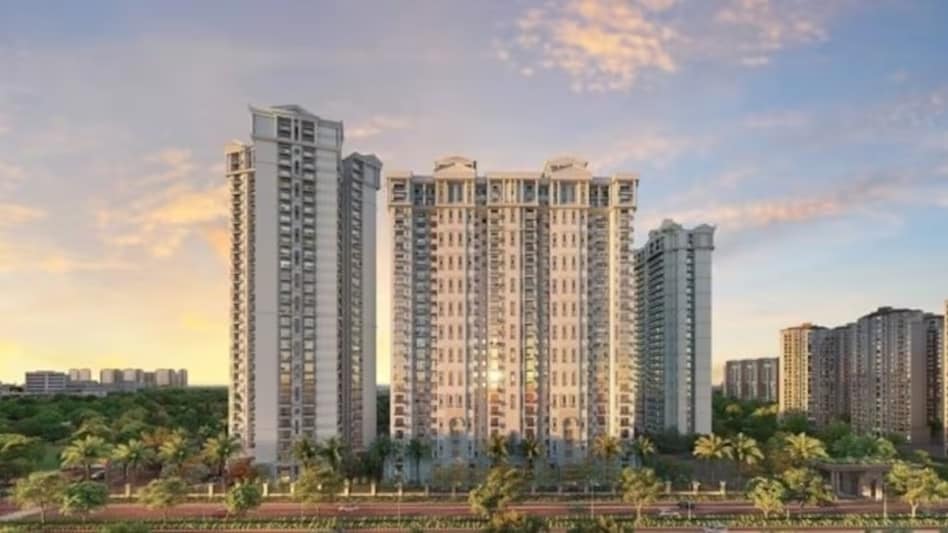
 Budget 2026: Tax relief, infrastructure push top real estate wishlist
As Union Finance Minister Nirmala Sitharaman prepares to present the Union Budget 2026 on February 1, real estate industry leaders are calling for targeted measures to improve housing affordability, particularly for mid-income buyers. They are also seeking policy support to rebalance supply and sustain long-term urban growth.
Developers and consultants say the housing cycle is entering a transition phase, with demand shifting away from luxury-led momentum toward value-driven segments, making fiscal support for affordability and infrastructure critical in the upcoming budget.

 BT Big Story: How the FCNR(B) deluge has created two new problems for the RBI
  'Upcoming superpower in Indo-Pacific': V4 countries back India’s UN Security Council bid
 Who is Abhishek Manu Singhvi? The veteran lawyer at the centre of Tata Trusts' fight for control
 A look at Harish Salve's career as he advises Tata Sons Chairman
  ‘We do not condone cheating…’: IIT-B students say demands emerged from campus experiences, concerns
 Burqa Ban In Italy? Meloni Pushes New Rules On Face Coverings
 Tata Trusts-Tata Sons Row: Harish Salve Explains RBI Rules, Singhvi Flags Shareholder Rights
 Top Legal Eagles Flock To Tata Sons & Tata Trusts As Boardroom Clash Heads To Court
 Over Next Three Years Company Expects To Invest ₹15,000 Cr For Deepwater Exploration
 Tata Sons Listing Row: Shapoor Mistry Backs IPO As Noel Tata Pushes ₹25,000-Crore Plan
 NSE IPO beats Hyundai, LIC, Paytm in subscription; how 5 largest issues fared
 Manipal Health clears ₹5,310 crore debt using IPO proceeds, eyes expansion & technology push
 NSE IPO subscribed 5.7 times as QIBs lead demand; shares to list on BSE on September 24
 Brokerage sees 96% upside potential in this smallcap stock
 Dr. Reddy’s, Lupin shares among buzzing stocks as pharma sector back in focus NSE IPO beats Hyundai, LIC, Paytm in subscription; how 5 largest issues fared
 Box office showdown: 'Hanuman Ansh' tops ₹350 crore worldwide, Pankaj Tripathi-led 'Mirzapur: The Movie' stays the course‘We do not condone cheating…’: IIT-B students say demands emerged from campus experiences, concerns
 Quote of the Day by Ritesh Agarwal: 'The scale of impact that people aspire to create, based out of the Bay Area, is truly incredible''Upcoming superpower in Indo-Pacific': V4 countries back India’s UN Security Council bid












