


 A key structural announcement this year is the proposed Infrastructure Risk Guarantee Fund, aimed at improving lender confidence during the construction phase of large projects.
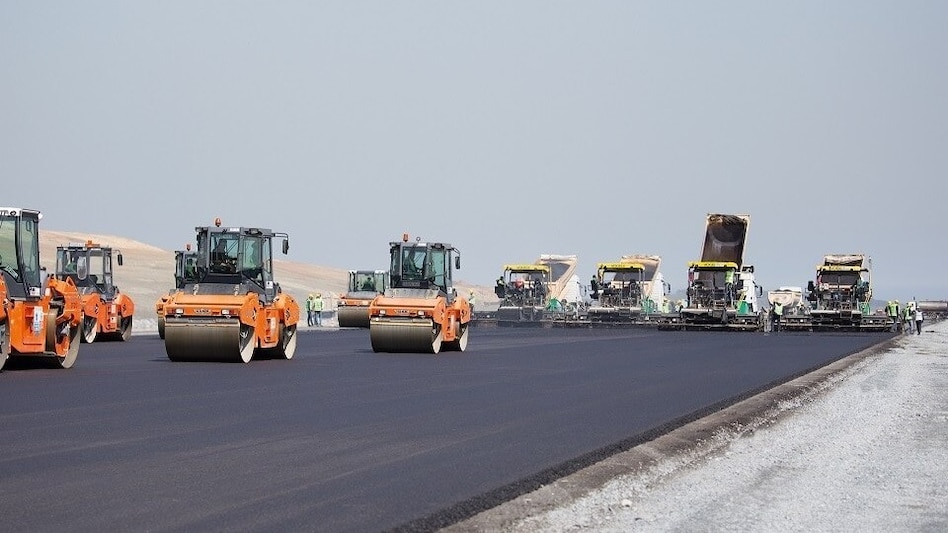
The government has allocated a record ₹3.09 lakh crore to the roads and highways sector in Union Budget 2026-27, underscoring infrastructure’s central role in driving economic growth. Of this, capital expenditure alone stands at ₹2.94 lakh crore, marking roughly a 9% rise over last year’s Budget Estimates and making it the highest-ever allocation for the Ministry of Road Transport and Highways (MoRTH).
The highways push comes alongside a broader public investment drive, with overall central capital expenditure pegged at ₹12.2 lakh crore for FY27, signalling the government’s intent to sustain momentum in construction, logistics and allied sectors.

 Setback for Subhash Chandra: NCLT puts media baron's repayment plan on hold, seeks CBI response in 4 weeks
 NSE IPO: Sunil Munjal, RK Damani, Raamdeo Agrawal, Dolly Khanna, Kris Gopalakrishnan turn big winners; here's how
 Tata power play: Chandrasekaran family's TVS ties emerge days after Venu Srinivasan backs his third term
 Oracle layoff: Workers over 40 bear the brunt of job cuts in cloud division
  BT Big Story: Why India Inc is warming up to non-English-speaking executives
  S&P Upgrades India’s FY27 Growth Forecast By 40 Bps To 7%; Expects RBI Rate Hike To 5.50%
 Supreme Court On Medicine Prices: ₹27,000 MRP For ₹2,700 Drug | ‘Extortion’, ‘Daylight Dacoity’
 Macro Volatility Vs Earnings: Why Earnings Matter More Than Valuations | Anshul Saigal
 India’s CDMO Opportunity: Anshul Saigal Spots Underappreciated Names
 IT Stocks Under Pressure: What Next For Indian Markets? | Chakri Lokapriya
 Subex shares hit 52-week high, rise 14%; here's why
  HDFC Bank shares climb nearly 9% from 52-week low; Macquarie retains 'Outperform' tag
 Swastika Infra IPO booked 30% in 2 hours on Day 1: Check brokerage views, latest GMP and key detailsNSE IPO: Sunil Munjal, RK Damani, Raamdeo Agrawal, Dolly Khanna, Kris Gopalakrishnan turn big winners; here's how
 Adani Ports shares: CLSA retains 'Outperform'; highlights logistics, marine growth
 JSW’s ₹2,500 Crore Electric Truck Bet: Parth Jindal On AMPSTAR
 India ranks 4th among countries worst hit by heat-related deaths due Super El Nino. Here's howSubex shares hit 52-week high, rise 14%; here's why Oracle layoff: Workers over 40 bear the brunt of job cuts in cloud division HDFC Bank shares climb nearly 9% from 52-week low; Macquarie retains 'Outperform' tag












