


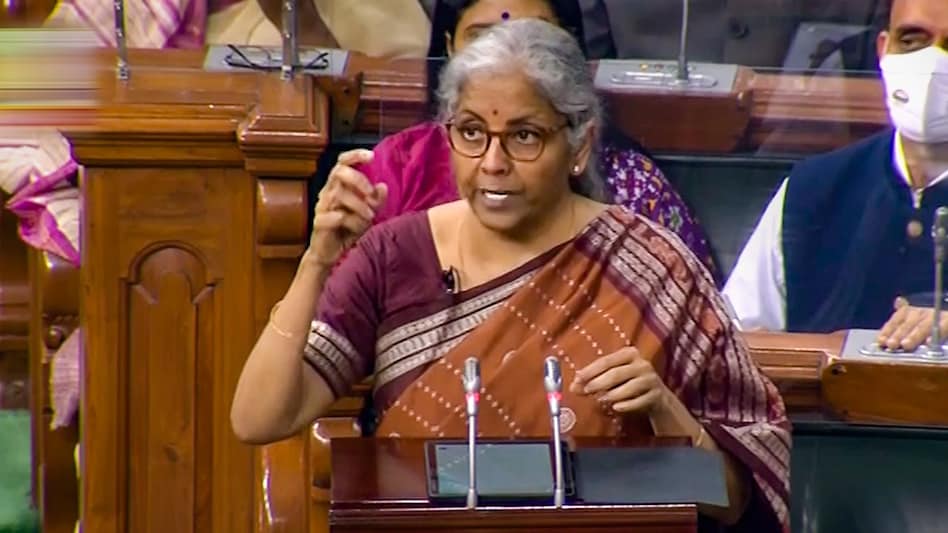
 Union Budget 2026: Finance Minister Nirmala Sitharaman presented Budget 2026 on February 1
Union Budget 2026 | In her Union Budget speech, Union Finance Minister Nirmala Sitharaman on Sunday announced that Persons Resident Outside India (PROIs) will be allowed to invest directly in equity instruments of listed Indian companies through the Portfolio Investment Scheme (PIS).
By permitting PROIs to invest directly in equities and by doubling the per investor limit from 5% to 10%, the government is clearly aiming to broaden the ownership base of domestic equities, while containing systemic risks through an overall cap.
 Commerce through international waterways must be restored: India condemns attacks on vessels in Hormuz at UNSC
 Jay Clayton confirmed as US intelligence chief after delayed process and election concerns
 Suzlon share price: UBS, Investec, others cut targets post Q1 results; lowest and highest
 Will commercial real estate investing get easier with India's first REIT-focused index fund?
 WhatsApp launches web calling: You can now make video & audio calls directly from your browser, no app needed
 7.1 Quake Shakes Southern Japan: Roads Split, Buildings Burn, Hundreds Of Thousands Evacuated
 How Mohammad Irfan Went From Street Hawker To India's Most Viral Protest Voice
 Congress Vs BJP Clash In Lok Sabha Over Anti-Paper Leak Bill 2026 As Opposition Questions Police
 "Justice Delayed Is Justice Denied": Bansuri Swaraj Hails Anti-Paper Leak Bill Strict Penalties
 CM Rekha Gupta Approves ‘Delhi Lakshmi Yojana’; Women To Get ₹2,500 Monthly Financial Assistance
 Why market is rising today: Sensex surges 800 pts, Nifty tops 24,200 despite spike in oil prices
 Ardee Industries IPO opens on August 5; check price band, lot size & other key details
 Manipal Health IPO opens today: Should you apply or avoid? Check reviews, ratings & GMP
 SK Hynix: South Korean chipmaker posts record Q2 performance but shares crash 11%; here's why
  Inox Wind shares gain 2% on Rs 1,600 crore repeat order from NLC India; key details
 Eyeing foreign shores? Adani Ports considers controlling stake in UK’s Associated British PortsWhy market is rising today: Sensex surges 800 pts, Nifty tops 24,200 despite spike in oil pricesArdee Industries IPO opens on August 5; check price band, lot size & other key details
 ITR Deadline Alert: Miss July 31 And You Could Face Penalty, Interest And More
 'Merit Must Win': Bansuri Swaraj's Powerful Speech On Exam Mafia In Lok Sabha










