


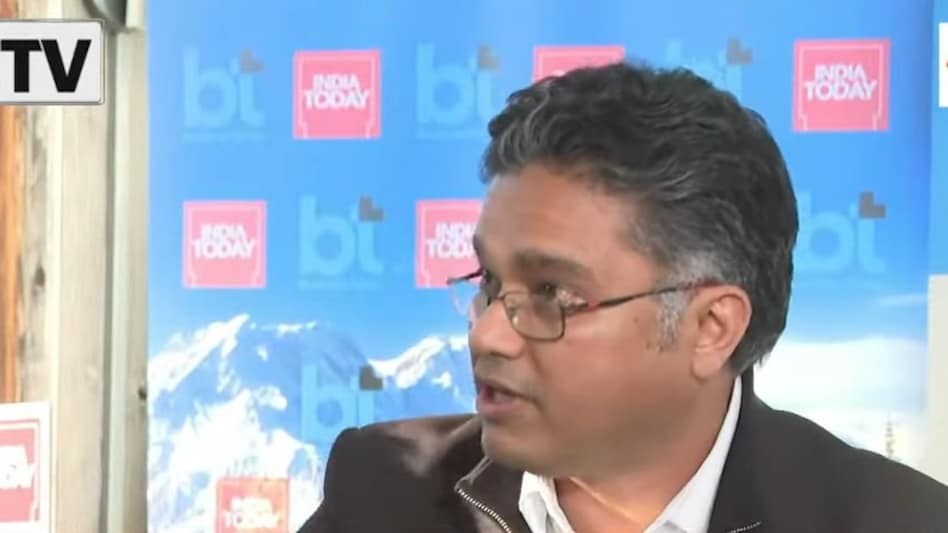
 Ankur Kothari, Co-founder and COO of Automation Anywhere
At the World Economic Forum (WEF) in Davos, while much of the conversation focused on superintelligence and trillion-parameter AI models, Ankur Kothari, Co-founder and COO of Automation Anywhere, offered a clear counterpoint: the real AI revolution is not happening in research labs. It is taking shape inside factories, hospitals, banks and government offices.
“Rarely comes a technology that gets discussed in boardrooms and at the kitchen table at the same time,” Kothari told Business Today. “That’s what AI is.”

 'RBI letter does not mention listing': Noel Tata seeks full briefing on Tata Sons-RBI talks
 Tata Trusts asks Tata Sons to explore options other than listing, says ‘Tata Model has to be saved’
 Tata Trusts proposes ₹25,000 crore plan for SP Group, says Tata Sons listing is not an option
 Chandrasekaran had assured all necessary steps were being taken to remain private: Noel Tata
 'We cannot put the cart before...': Noel Tata's argument against N Chandrasekaran's reappointment
 How India Changed In 12 Years: PM Modi’s Journey From Economic Reforms To Viksit Bharat
 Modi @76: From Twitter To Instagram, How His Digital Outreach Has Evolved
 Stock Picks To Watch: Shibani Kurian Reveals Kotak AMC’s Market Bets
 Gold ETF vs Physical Gold: Know the Tax Rules, Charges and Key Differences
  PPF vs NPS: Tax Benefits, Returns and Lock-in Period Explained for Retirement Planning
 Hero Motors IPO subscribed 3.37 times on Day 2; retail portion subscribed over 5 times
 NSE IPO: India's largest exchange gets 43% subscription on Day 1; NIIs, retail see strong demand
 Rentomojo shares settle maiden trade nearly 32% above IPO price; what should investors do now?
 Sensex slips, Nifty settles higher; Tata stocks gain after N Chandrasekaran reappointment
 Cochin Shipyard, KRBL, RITES, Ramky Infrastructure among stocks to turn ex-dividend on September 18
 NMDC's Panna mine unearths 27.29-carat diamond, second-largest discovery so far
 Flexicap funds: 90.6% large caps vs 55.2% small caps — 10 biggest portfolio differences
 Who is Sethuraman Panchanathan? Chennai-born scientist honoured with NAE’s prestigious Bueche Award
 Vijay’s UK visit brings ₹15,300 crore investment commitments to Tamil Nadu, over 10,000 jobs
 From seafood waste to reef recovery: How 500,000 tons of oyster shells helped restore the Gulf












