


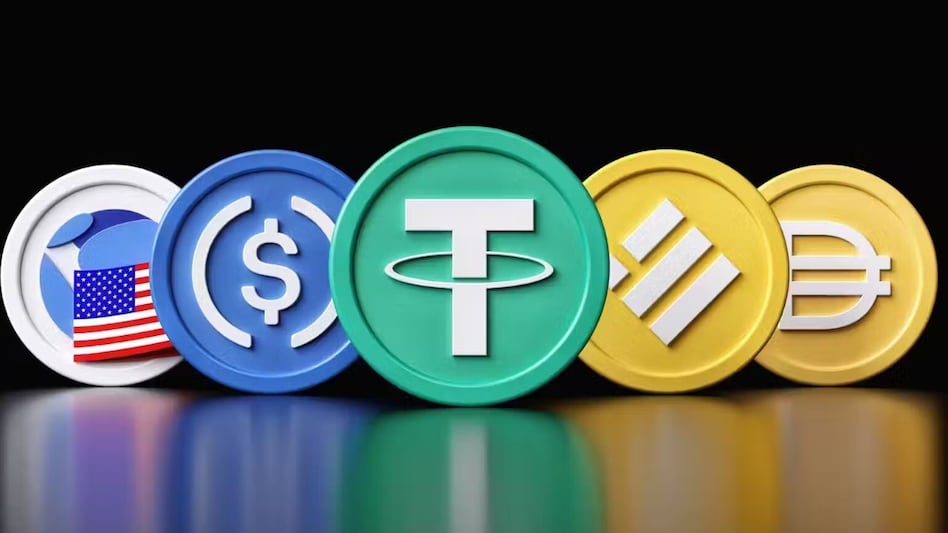
 WEF Summit 2026: Stablecoins continue to play a central role as a bridge between fiat currencies and decentralized financial systems.
The year 2026 is emerging as a pivotal moment for digital assets, as blockchain-based financial systems move beyond experimentation and toward becoming core global financial infrastructure, according to insights from the World Economic Forum (WEF).
Digital assets — spanning cryptocurrencies, stablecoins, central bank digital currencies (CBDCs), deposit tokens and tokenised real-world assets — are increasingly being shaped by clearer regulation, enterprise-grade deployment and improved interoperability. Together, these forces are pushing blockchain technology from niche use cases into the foundations of mainstream finance.

 Navratri gift: Govt caps margins to 30% for 137 anti-cancer drugs; revised prices from Nov 9
 Regulatory outreach a priority: Incoming CEO Anup Bagchi maps operational plan for HDFC Bank
  YES Bank Q2 profit rises 65% to Rs 1,080 cr; proforma impact of restatement of AT-I bonds revealed
 Yes Bank examining in detail Supreme Court verdict on AT1 bonds: CEO
  FSSAI cracks down on FMCG giants Nestlé India and HUL over misleading labels, safety violations
 Gold Investment Options: ETFs, EGR And MCX Explained | How To Invest In Gold Beyond Physical Buying
 Redmi Note 17 Pro Max Review , Vivo V80, Vivo Vision | Tech Gear EP 20 | Business Today
 Mahindra XUV 3XO ZNG Review: Turbo Power Meets CNG Mileage
 Gold, Silver Prices: Limited Upside Ahead Of Diwali? Expert Sees Gold At ₹1.5 Lakh, Silver At ₹2.3
 Expert Names REITs And INVITs To Watch For Quarterly Payouts And Potential Investment Returns
 YES Bank Q2 profit rises 65% to Rs 1,080 cr; proforma impact of restatement of AT-I bonds revealed
 ICICI Bank Q2 results: Net profit jumps 20% to Rs 14,843 crore; NIM contracts
 IDBI Bank Q2 net profit falls 39% to Rs 2,205 crore on year-ago's one-off gain
  Axis Bank Q2 net profit surges 38% to Rs 7,003 crore; NIM at 3.36%; key details
 HDFC Bank Q2 results: Net profit rises 4.7% to Rs 19,510 crore; key highlights
 Saptami chaos: Stampede at Kolkata Durga Puja pandal leaves several dead, many injured
 IPL 2027: Goa likely to host auction on December 16 as BCCI informs franchisesYes Bank examining in detail Supreme Court verdict on AT1 bonds: CEO Navratri gift: Govt caps margins to 30% for 137 anti-cancer drugs; revised prices from Nov 9FSSAI cracks down on FMCG giants Nestlé India and HUL over misleading labels, safety violations












