


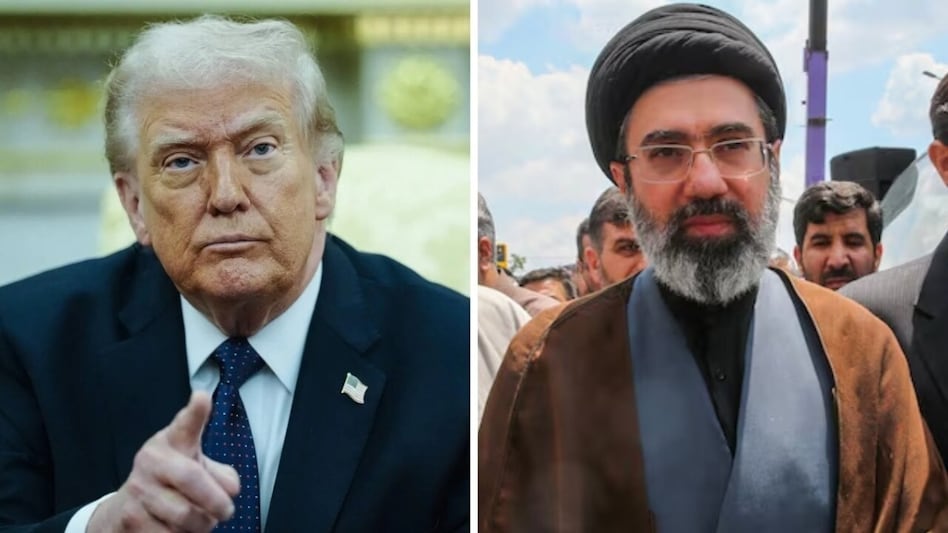
 US President Donald Trump said on Tuesday that no talks were taking place with Iran (File Photo: Reuters)
Donald Trump and Tehran are telling different stories about the Strait of Hormuz, and neither side is blinking. On Tuesday, the US President stated flatly that no negotiations with Iran were taking place and insisted the strategic waterway was "open and operating." Iran's position was equally unambiguous: the strait stays closed until Washington meets its conditions.
"There are no talks or conversations going on, or scheduled, with the Islamic Republic of Iran," Trump posted on Truth Social. He also said the US naval blockade remained in force and claimed all water mines had been removed or detonated.

 India’s dependence on Russian crude set to rise after a steep drop in August
 'Today is your last working day': Oracle begins new round of layoffs; here's what the shocking 6 am email says
 RBI files caveat in Bombay HC in Tata Sons listing matter: Report
 Meta tightens child safety measures as centre cracks down on abuse content: Report
 Finance Ministry bars charges on UPI transactions up to Rs 2,000
 Pranav Constructions Lists At 33% Premium: Buy, Hold Or Book Profits? Expert Decodes
 BRICS 2026: What India Gained From The New Delhi Summit | Modi’s Diplomatic Wins
 UPI Payments Above ₹2,000: New MDR Rules, Merchant Impact & What Changes For Users
 I.T. Stocks Rally: Big Bounce Ahead? Nifty I.T. Outlook, FII Flows & Investment Opportunities Explained
 Tata Sons Board Meeting: Mega IPO, Valuation And Value Unlocking In Focus
 HDFC Bank shares attempt recovery from recent lows, here's what analyst says
  Raymond shares rally to hit record high, now up over 200% in six months; what's behind this surge?
 Indian crude oil basket hits $128.70, highest since April: Impact on stocks, sectors, RBI policy
 Manappuram Finance shares fall 3% after two senior management resignations
 Bajaj Holdings' arm announces 1600% dividend for FY27: Check record date, other key details
 NPCI to discuss MDR rates for UPI transactions above ₹2,000 today, say sourcesPranav Constructions Lists At 33% Premium: Buy, Hold Or Book Profits? Expert DecodesBRICS 2026: What India Gained From The New Delhi Summit | Modi’s Diplomatic Wins
 No 0.5% UPI fee above ₹2,000: Amit Malviya calls Congress claim 'completely false'
 Uttarakhand Chief Minister Pushkar Singh Dhami on the state’s economic journey












