


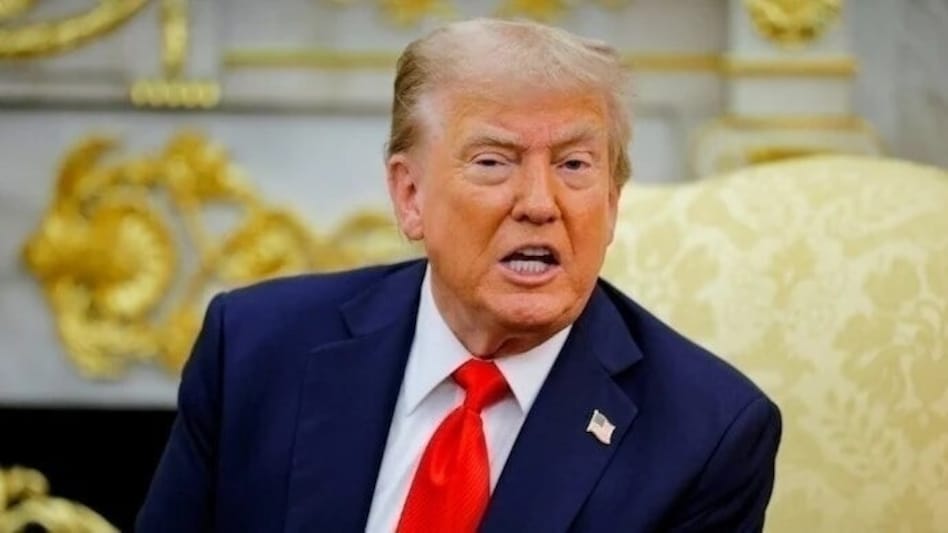
 Farmers at the launch of a bailout package urged Trump to adopt a tougher stance, arguing that subsidised rice imports are destabilising US markets
 The US President Donald Trump administration may soon impose new tariffs on agricultural imports, such as Indian rice, and crop supplements, including Canadian fertiliser. This comes after several farmers complained that these foreign, imported products were undermining the profit margins of US producers, according to a Bloomberg report.
Trump promised US farmers that his government would dig deep into these claims of how foreign countries are bringing in low-priced goods into the US market. This as the president revealed a $12 billion bailout package for these farmers.

 GST Council to take up proposal of MDR on UPI
 Tata Sons rejects Noel Tata objections over N. Chandrasekaran reappointment
 SEBI rewrites PMS rulebook, allows IPO, foreign securities and unlisted debt investments
 BT Big Story: Is 66% = zero? The Tata Sons question on everyone’s minds
  Govt, IBA to work on mechanism to ensure UPI MDR isn't passed on to consumers
 Meta’s New Gadgets: Camera-Free Glasses, VR Eyewear And AI Handheld Device Unveiled
  MDR Levy: Will Retail Trading Volumes Take A Hit? | NSE Chairman Srinivas Injeti
 NSE Lists At ₹1,800: Exclusive Post-Listing Interview With India's Largest Exchange
 From Mobile Trading To AI: How NSE Plans To Protect Market Integrity
 NSE On India’s Capital Markets Growth | IPOs, REITs, InvITs And More
 SEBI rewrites PMS rulebook, allows IPO, foreign securities and unlisted debt investments
 HSBC plans India equity broking return amid IPO boom, says report
 Whirlpool of India clarifies on promoter stake sale report; stock slips
 From Azim Premji to DMart’s Radhakishan Damani: The famous investors sitting on thousands of crores in NSE shares
 Solar Industries stock gets 'Buy' call on defence push and global explosives growth
 'Self-contained civilisation': Indian co-founder visits Shenzhen, returns with a lesson for India
 Actor Mushtaq Khan passes away at 56: His 'Meri ek taang nakli hai' scene in 'Welcome' remains unforgettable
 Saudi Arabia boosts crude shipments through Strait of HormuzGST Council to take up proposal of MDR on UPISEBI rewrites PMS rulebook, allows IPO, foreign securities and unlisted debt investments












