Cyrus Mistry's letter to Tata executives: All you need to know
Sacked unceremoniously, a "shocked" Cyrus Mistry has levelled a series
of allegations against Ratan Tata and contended that he was pushed in to
a position of "lame duck" chairman and changes in decision making
process created alternate power centres in Tata Group.
BusinessToday.In- Updated Oct 26, 2016 8:00 PM IST
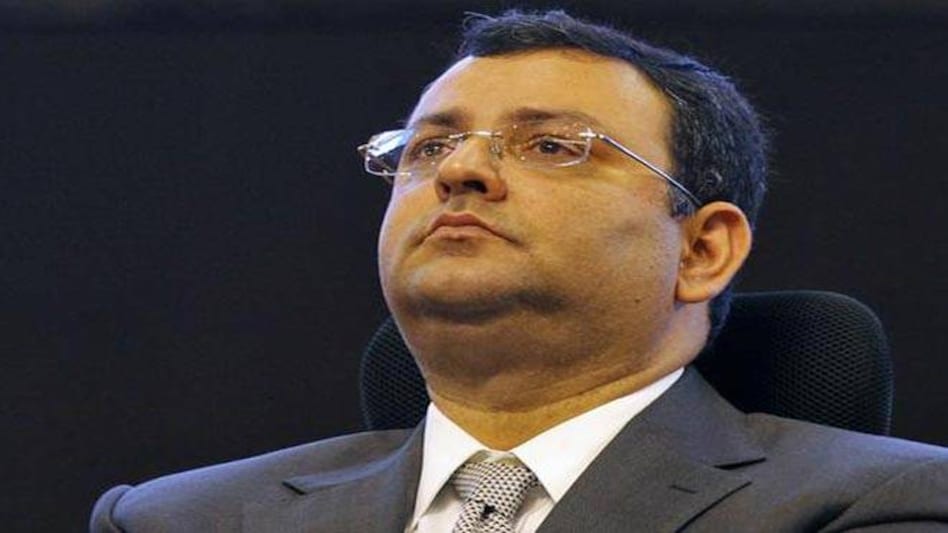 Former Tata Sons Chairman Cyrus Mistry (Photo: Reuters)
In a scathing letter to Tata Sons Directors, Cyrus Mistry has put forward his side of the story in the letter after he was removed as the Chairman of Tata Sons.
Sacked discourteously and abruptly, a "shocked" Cyrus Mistry levelled a series of allegations against Ratan Tata and contended that he was pushed in to a position of "lame duck" chairman and changes in decision making process created alternate power centres in Tata Group. Here's what Mistry wrote in his explosive letter:
- I was shocked beyond words at the happenings at the board meeting of October 24, 2016. Apart from the invalidity and illegality of the business that was conducted, I have to say that the Board of Directors has not covered itself with glory.
- "To 'replace' your Chairman without so much as a word of explanation and without affording him an opportunity of defending himself, in a summary manner must be unique in the annals of corporate history," he wrote in the email on October 25 which was circulated widely to the media today.
- Mistry said he was promised a free hand when he was appointed Chairman in December 2012 but Articles of Association were modified, changing the rules of engagement between the Tata family Trusts and the Board of Tata Sons. Stating that he inherited problems, he went on to raise corporate governance issues alleging representatives of family trusts, which hold two-thirds of Tata Sons shares, were reduced to "mere postmen" as they left board meetings midway to "obtain instructions from Mr. Tata."
- Mistry alleged that it was Tata who forced the Group to foray into the aviation sector by making him a 'fait accompli' to joining hands with Air Asia and Singapore Airlines and making capital infusion higher than initial commitment. Also, "ethical concerns" had been raised over certain transactions and a "recent forensic investigation revealed fraudulent transactions of Rs 22 crore involving non-existent parties in India and Singapore," he wrote.
- Mistry warned that the salt-to-software giant may face Rs 1.18 lakh crore in writedowns because of five unprofitable businesses he inherited. Defending his record, Mistry said he inherited a debt-laden enterprise saddled with losses and went on to single out Indian Hotels Co, passenger-vehicle operations of Tata Motors, European operations of Tata Steel and part of the group's power unit and its telecommunications subsidiary as "legacy hotspots."
- "I cannot believe that I was removed on grounds of non-performance," he said going on to point to two directors, who voted for his removal, only recently lauding and commending his performance.
- Detailing out the problems he inherited in several Tata group firms, Mistry in his letter said the foreign acquisition strategy with the exceptions of JLR and Tetley, had left a large debt overhang.
- Mistry also hit hard on the group's hospitality arm IHCL, saying beyond flawed international strategy, it had acquired the Searock property at a highly inflated price and housed in an off-balance sheet structure. "In the process of unraveling this legacy, IHCL has had to write down nearly its entire net worth over the past three years. This impairs its ability to pay dividends," he said.
- Tata Capital had a book that required clean up on account of bad loans to the infrastructure sector, he added.
- Highlighting the problems faced by the group's telecom business, Mistry said, "Of all the companies in the portfolio, the telecom business has been continuously hemorrhaging. If we were to exit this business, via fire sale or shut down, the cost would be $4-5 billion. This is in addition to any payout to Docomo of at least a billion plus dollars." He also lashed out at the original structure of the Docomo transaction, saying it "raises several questions about its appropriateness from a commercial or prudential perspective within the then prevailing Indian legal framework".
- On Tata Power, he said the company aggressively bid for the Mundra project based on low-priced Indonesian coal but as regulations changed, the losses in 2013-14 alone amounted to Rs 1,500 crore. "Given that Mundra constitutes Rs 18,000 crore of the capital employed (40 per cent of the overall company's capital employed) this substantially depresses the return on capital for Tata Power as well as carries the risk of considerable future impairments," he said in the letter.
- Turning to Ratan Tata's pet project Nano, Mistry said the product development concept called for a car below Rs 1 lakh but the cost were always above this and it had "consistently lost money, peaking at Rs 1,000 crore". "As there is no line of profitability for the Nano, any turnaround strategy for the company (Tata Motors) requires to shut it down. Emotional reasons alone have kept us away from this crucial decision," he said. Mistry further said: "Another challenge in shutting Nano is that it would stop the supply of the Nano gliders to an entity that makes electric cars and in which Mr Tata has a stake."
(With inputs from PTI)
Published on: Oct 26, 2016 6:35 PM IST










 Rajesh Exports ownership snapshot: LIC holds 10.8%; check FII stake and more
 Gold, silver no longer just safe havens? Wealth managers back a new allocation strategy
 Why are container train operators facing issues at Adani’s Mundra Port?
 Mamata, Abhishek vs 'Asli TMC': How Trinamool Congress turned against itself in 2 weeks
 From TikTok to trillions! How this Chinese man overtook Mukesh Ambani in Asia’s wealth race
 Retire At 60 With ₹7 Crore? Hard Facts About Inflation & Expenses
 EV & Power Capex: Aniruddha Sarkar's Hidden Stock Bets
 Retirement Planning Made Easy: SIP, NPS, PPF & EPF Strategy To Build Massive Wealth
 Cabinet Clears ₹10,000 Cr ATF Fund To Shield Airlines From Fuel Shock
 Section 301 Tariffs Could Hit Indian Exports Just As Trade Deal Nears Completion
 India’s infrastructure opportunity is a multi-decade growth story: Adani Group
 Adani Portfolio reports record FY26 capex of Rs 1.53 lakh crore; EBITDA hits all-time high
 Defence stock jumps over 30% in 2026 so far, up 9% today – Order win from BEL, Q4 results and more
 SpaceX IPO price out: Valuation, risks, growth explains — All what investors should know
 Jain Irrigation, MSTC, Savita Oil shares rise up to 17%