





A consortium led by Russian oil major Rosneft will acquire the Ruia family-controlled Essar Oil in a $12-$13 billion deal, according to reliable sources.
Russia is keen to get access to the Indian market at a time when its own economy is stagnant, hit by Western sanctions and low oil prices.
Rosneft will get 49 percent and the two investors -- European trader Trafigura and a Russian fund UCP -- will hold the remaining 49 percent in equal parts. The valuation includes about $4.5 billion in assumed debt.
No immediate comment was available from the companies involved.
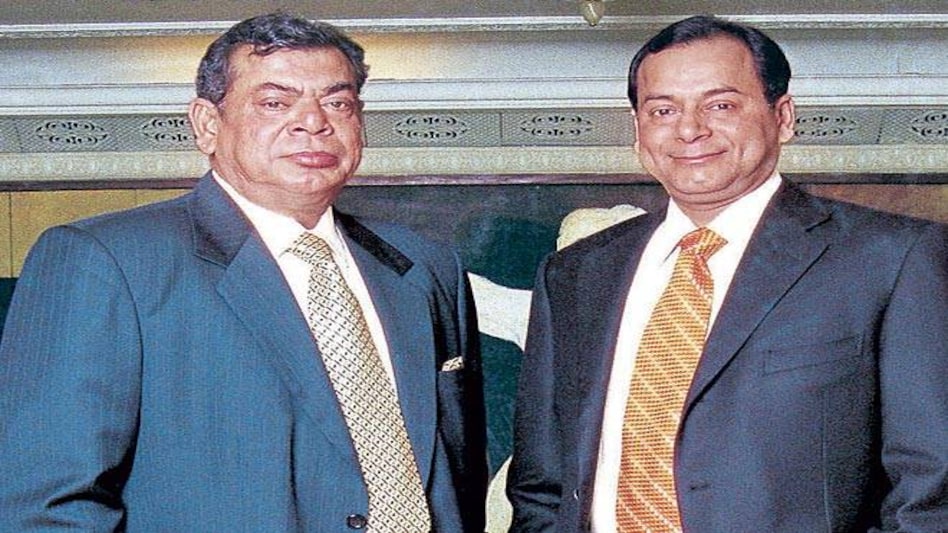
Essar Oil, part of a steel-to-ports conglomerate controlled by the billionaire brothers Shashi and Ravi Ruia, has faced pressure from creditors to reduce borrowing that some analysts estimate at more than $14 billion.
The Ruia family, which currently owns Essar Oil, will keep a token 2 per cent stake after the deal is signed during Russian President Vladimir Putin's visit to Goa for the BRICS Summit on October 15-16, sources said.
They said originally Ruias wanted to shed only 49 per cent in favour of Rosneft but the USD 3.5 billion they would have got from the Russian company wasn't enough to pay of the USD 4.5 billion debt on the company's books.
A larger 74 per cent stake was offered to Rosneft but that idea was dropped as the Russian company faces US sanctions and by a virtue of its majority stake Essar Oil too would have come on that list.
At this stage, Trafigura was roped in and offered 24 per cent stake. Trafigura, which has close ties to Rosneft, was to finance its acquisition by taking loan from Russia's VTB Capital, part of state-controlled bank VTB.
Sources said Trafigura is likely to take 24.5 per cent stake and UCP a matching interest.
Essar Oil operates a 400,000 barrel-per-day oil refinery on India's west coast and sells fuels through its 2,470 filling stations in India.
The deal will also include the Vadinar port and a power plant associated with the refinery, said one of the sources.
Through this acquisition, Rosneft will not only get an additional outlet for its oil amid supply glut but will also get to market fuels in the world's fastest growing major economy.
 PNB flags over Rs 2,400 crore loan fraud tied to SREI accounts, makes full provision
 Ola Electric’s EV sales halve in 2025, recording registrations of 1,96,767 units
 Should investors go after hot investments? Here's what experts think about chasing top winning assets
 Coforge to acquire AI firm Encora in $2.35 billion deal to boost US, AI-led services play
 Taxes in 2026: Paying rent to parents to claim HRA is legal; here’s how to save up to Rs 1.2 lakh
 IPO Market Outlook 2026: Zepto, NSE, boAt And Other Primary Market — What Lies Ahead
 Weight-Loss Injection Boom: New Drugs Spark Big Fight Among Pharma Companies
 India Destined To Grow, Must Rise As Both Global Power And Vishwa Guru: Mohan Bhagwat
 PVR Ajay Bijli On How Cinema Became A Luxury Experience In India | Business Today Podcast
 Jim Rogers’ 2024 Prediction Comes True As Gold & Silver Surge To Record High
 Sensex down 367 pts, Nifty below 26,050; will stock market continue to fall next week?
 Mazagon Dock, Paras Defence, BEML, BDL: Why are defence stocks rising today?
 Hindustan Copper shares skyrocket 29% in 6 days, hit record high since 2010; here’s why
 335 IPOs raised Rs 1.95 lakh crore in 2025; new age sectors, young firms drive IPO boom
 Dilip Buildcon shares jump 5% on double bonanza from Adani Road Transport, REC Power