


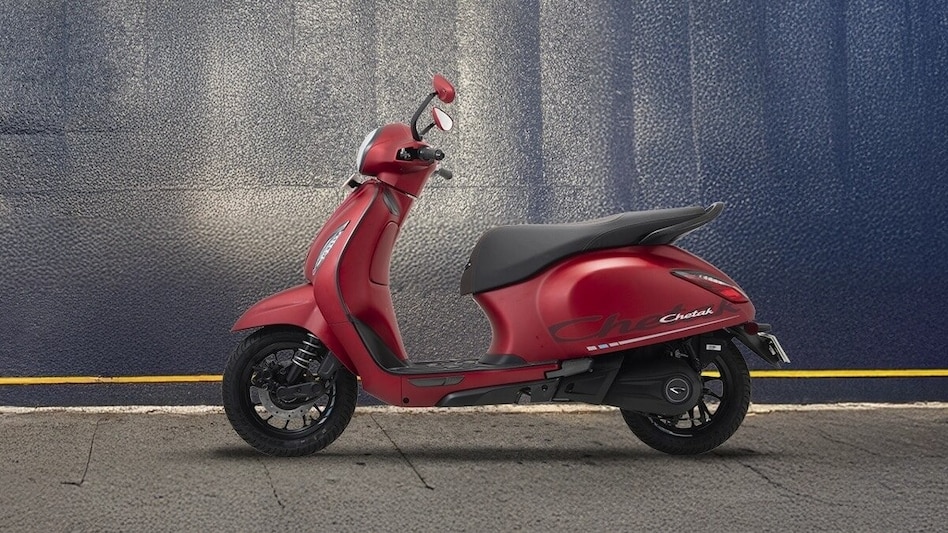
 The capacity expansion of Chetak comes at a time when electric scooter demand has risen substantially.
 Bajaj Auto Ltd, India’s second-largest electric scooter maker by volume, is looking to expand manufacturing capacity of the Chetak e-scooter from 50,000 units to 60,000 units over the next couple of months.
“We are looking to expand capacity of Chetak from about 50,000 units to about 60,000 in the in the immediate term. This will kick in in the next couple of months itself,” Dinesh Thapar, chief financial officer of Bajaj Auto, said in a media conference call after the company announced its first-quarter earnings.

 India is the second-best BRICS performer, but that is not enough: Economist Surjit Bhalla
 BRICS Summit 2026: PM Modi warns against turning critical supply chains into geopolitical tools
  China will push for a 'Greater BRICS': Ex-foreign secretary decodes Delhi summit, says test will come in 2027
 'India must seriously evaluate exiting UN': Zoho's Sridhar Vembu
 'Need to reflect 2026, and no longer 1945': UN endorses PM Modi’s push for UNSC overhaul in BRICS 2026
 Amit Shah Hails India’s Rise From Fragile Five To Top Five, Politics Of Performance Since 2014
 MEA Details BRICS Summit Outcomes as India Pushes Practical and People-Centric Cooperation
 Modi@25: Amit Shah Highlights 25 Years Of Leadership, Governance And 2047 Vision
 “Development And Environment Are Complementary”: PM Modi On Sustainability At BRICS
 Modi@25: Amit Shah Announces Seva Sankalp Campaign From Sept 17 To Mark Modi’s 25 Years Of Service
 Avoid jewellery; stick to ETFs, bars and coins for investment this festive season: Navneet Damani
 SEBI’s CAS proposals: Expert weighs in on new expiry-day settlement price methodology
 Large caps stocks under pressure as rising US bond yields, crude prices weigh on foreign flows
  SEBI proposes bringing unexecuted Iceberg orders into closing auction
 SEBI proposes new expiry-day settlement formula for derivatives after CAS concerns
 Why ASEAN AU GCC And BIMSTEC Were Invited To BRICS Summit 2026
 Cyril Ramaphosa Invites PM Modi To South Africa Next Year, Praises India’s Tech And Space Progress
 The next time govt takes a financial risk, ISB professor says it should be on start-ups
 NTA Plans CBT for NEET as Testing Agency Moves Towards Fully Computer-Based ExamsAmit Shah Hails India’s Rise From Fragile Five To Top Five, Politics Of Performance Since 2014












