


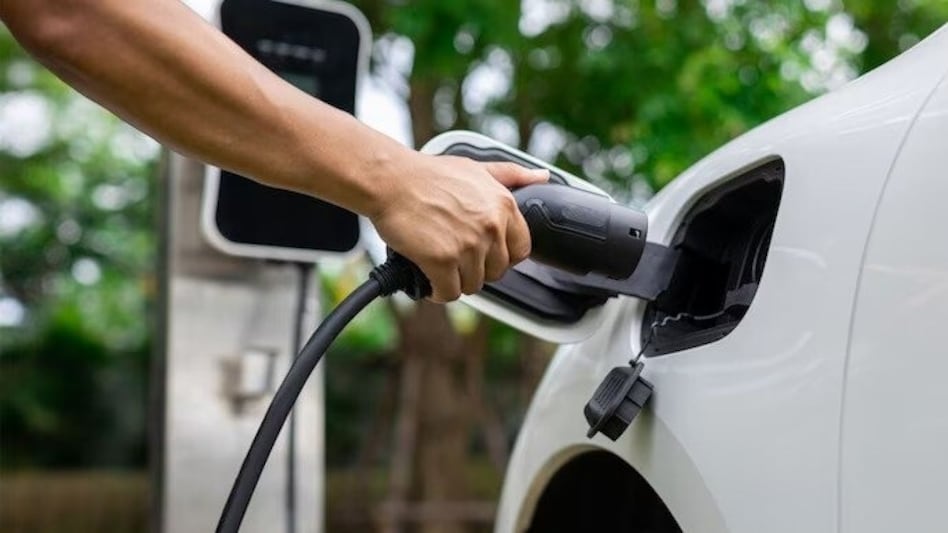
 The biggest relief for buyers is a 100% waiver of road tax and registration charges on electric vehicles
The Delhi Cabinet has approved the Delhi EV Policy 2026, unveiling one of the country's most ambitious roadmaps for electric mobility. The policy, which will remain in force until March 31, 2030, aims to make electric vehicles (EVs) more affordable through subsidies, tax exemptions and scrappage benefits, while gradually restricting the registration of new petrol and CNG vehicles in several categories.
The government has committed more than ₹7,000 crore over the next four years to drive the transition. The proposed outlay includes over ₹1,500 crore for purchase incentives, another ₹1,500 crore for scrappage incentives, ₹1,000 crore for charging infrastructure and more than ₹3,000 crore in revenue foregone through road tax and registration fee exemptions. Unlike technology-neutral policies, Delhi's latest EV policy focuses exclusively on battery electric vehicles (BEVs), which the government describes as zero-emission vehicles.

 Tata Trusts asks Tata Sons to explore options other than listing, says ‘Tata Model has to be saved’
 'We cannot put the cart before...': Noel Tata's argument against N Chandrasekaran's reappointment
 Tata Trusts opposes N Chandrasekaran reappointment, says board resolution is ‘legal nullity’
 N Chandrasekaran reappointed for 5 yrs as Tata Sons Chairman; board approves public listing
 Tata Sons IPO: Board approves listing on stock exchanges
 How India Changed In 12 Years: PM Modi’s Journey From Economic Reforms To Viksit Bharat
 Modi @76: From Twitter To Instagram, How His Digital Outreach Has Evolved
 Stock Picks To Watch: Shibani Kurian Reveals Kotak AMC’s Market Bets
 Gold ETF vs Physical Gold: Know the Tax Rules, Charges and Key Differences
  PPF vs NPS: Tax Benefits, Returns and Lock-in Period Explained for Retirement Planning
 Hero Motors IPO subscribed 3.37 times on Day 2; retail portion subscribed over 5 times
 NSE IPO: India's largest exchange gets 43% subscription on Day 1; NIIs, retail see strong demand
 Rentomojo shares settle maiden trade nearly 32% above IPO price; what should investors do now?
 Sensex slips, Nifty settles higher; Tata stocks gain after N Chandrasekaran reappointment
 Cochin Shipyard, KRBL, RITES, Ramky Infrastructure among stocks to turn ex-dividend on September 18
 Tata Trusts proposes ₹25,000 crore plan for SP Group, says Tata Sons listing is not an option
 'RBI letter does not mention listing': Noel Tata seeks full briefing on Tata Sons-RBI talks
 Want EPFO Updates On WhatsApp? Here’s How To Follow The Official Channel In Just A Few Steps
 Why Are Brokerages Still Bullish On HDFC Bank Stock | HDFC Share Analysis
 Tata Sons IPO: Tata Trusts cites Ratan Tata-era decision to keep company unlisted












