

 Central to the defence of India's ethanol roadmap are the rigorous optimization and certification protocols established by the Automotive Research Association of India (ARAI)
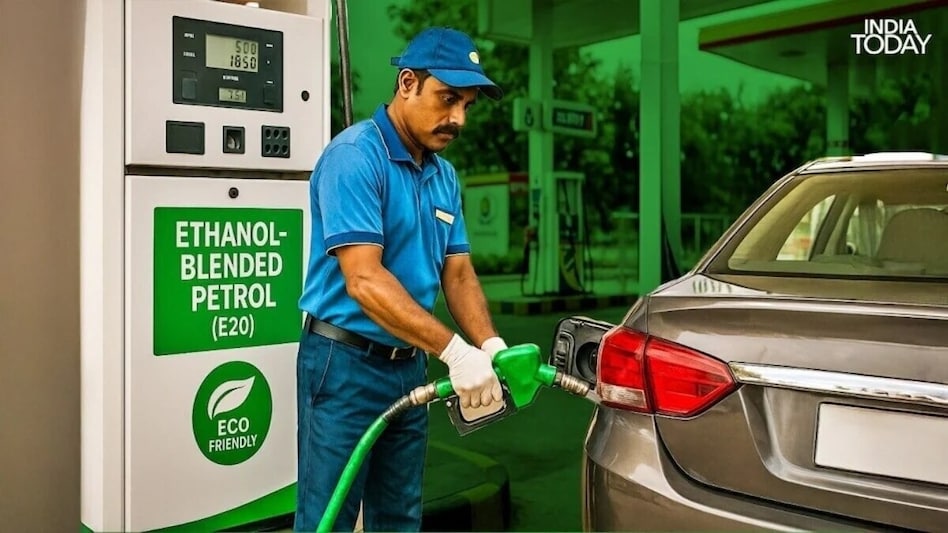
In 2026, India began pumping 20% blended Ethanol across every single fuel pump in the country, and 7 months into 2026 the nationwide rollout of E20 petrol in India has triggered intense public and political backlash, driven by a widening gap between official government and industry claims and actual consumer experiences.
To allay concerns and address nationwide allegations regarding the damage caused by E20 fuel a panel of automotive representatives and experts gathered in New Delhi on July 4th.
 New stock market timings from August 3: F&O trading extended till 3:40 pm
 What’s on IndiGo CEO Willie Walsh’s table?
  iPhone price shock: These countries pay far more than other regions; India ranks 24th globally
 Worried about interest rate hike? Here's why the RBI MPC may leave the repo rate unchanged this time
  TVS Motor achieves highest-ever EV sales in July at 55,480 units
 Market Commentary | Prateek Nigudkar On Nifty Outlook, Top Stocks & Market Strategy
 Types Of Equity Mutual Funds You Can Invest | Mutual Fund Guide | Personal Finance | Money Today
 Narayana Hrudayalaya Q1 Results | Revenue Jumps 78%, Profit Up, Global Growth In Focus
 What’s Hot: Stocks, Gold & Big Money Moves | Daily Markets Show | August 03 | Business Today TV
 Ananya Birla On Success, Failure, AI And The Bold Choices That Shaped Her Journey
 IRCTC, Titagarh, Ircon, Texmaco Rail: Railway stocks rise up to 5% on border rail upgrade plan
  BT Explainer | Sebi's new market timings kick in: What has changed and why it matters
 BTTV Exclusive| Park Mediworld: Bed expansion, specialty mix and CGHS revision fuel growth
 L&T shares may rally further; key breakout level could decide next move
 Anti AI trade: India is a perfect market for FIIs to return, says Kshitiz Mahajan
 Google billionaire Sergey Brin’s floating palace comes with shocking detailsMarket Commentary | Prateek Nigudkar On Nifty Outlook, Top Stocks & Market Strategy
 R Madhavan’s ₹17.5 crore home has a surprise most celebrity mansions don’tTypes Of Equity Mutual Funds You Can Invest | Mutual Fund Guide | Personal Finance | Money TodayNarayana Hrudayalaya Q1 Results | Revenue Jumps 78%, Profit Up, Global Growth In Focus










