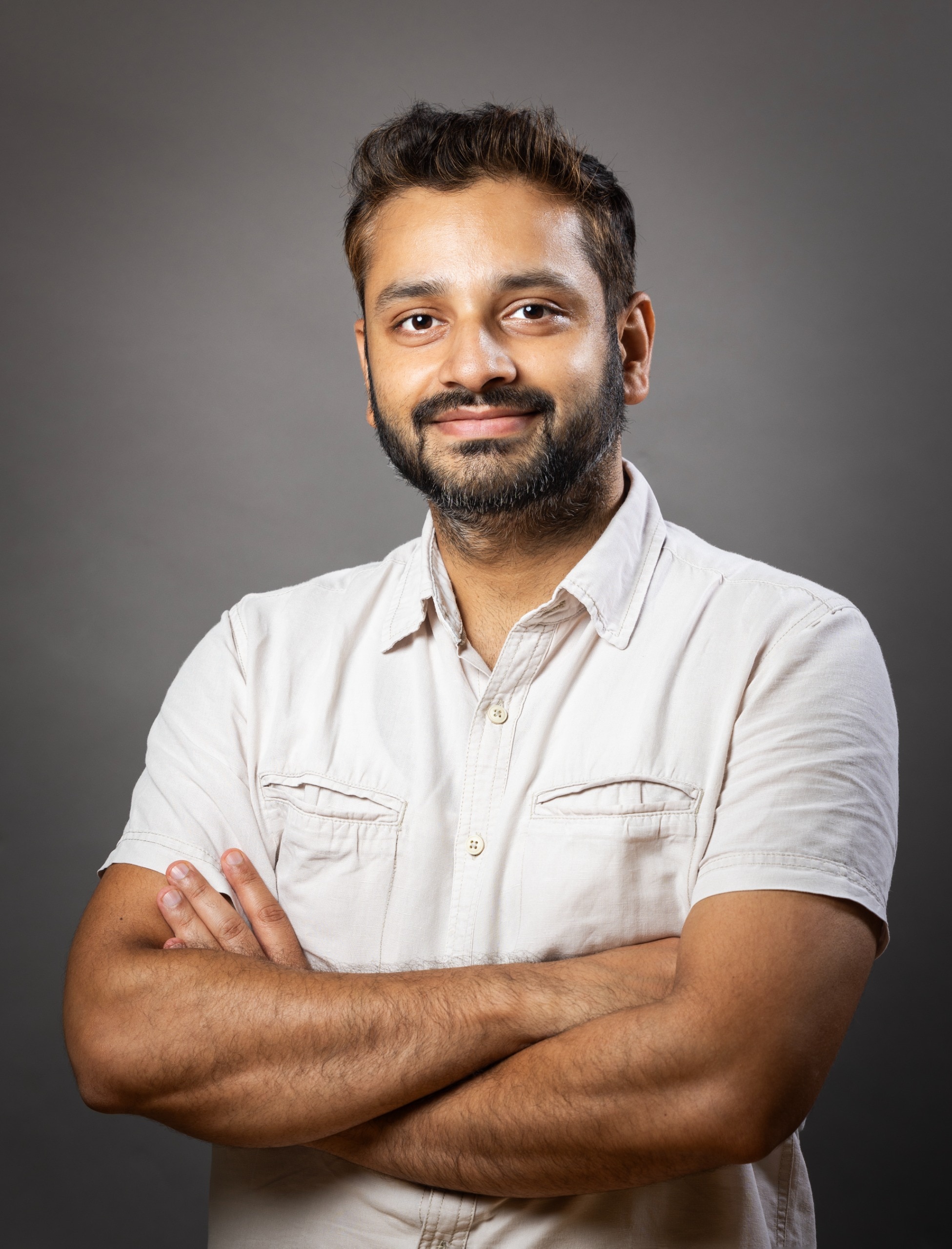
Ashok Leyland, the country’s second-largest commercial vehicle manufacturer, is making serious efforts to localise the electric vehicle technology. “This is a real issue. Sometimes we feel that we created this whole diesel economy in the country over the past 70 years. The diesel trucks that we sell are 99% locally made. As the industry shifts to electrification, the amount of imported content is higher than 50%. Now it is time to redo the whole story all over again for the newer technology. India has done it before, India can do it again,” Shenu Agarwal, the managing director and CEO of Ashok Leyland, told BT in an interview. “The only challenge is how soon we can do it, how fast we can develop the technology on our own, how fast we can create a supplier ecosystem for electrics around us so that we can achieve the same level of localization as we have created for diesel,” explained Agarwal. Ashok Leyland announced a partnership with CALB to localise battery packs last year. The partnership has two phases. “The first phase is something which is pretty much behind us in a way that we have decided to set up a pack manufacturing facility near Chennai where we will be setting up a new factory for packs. We will have our own pack design. We will have our own BMS (battery management system) design over a period of time. Technology wise, we will be self-sufficient. Also, the amount of localization we will do other than cells will be of a very high order. We are not doing this for ourselves,” Agarwal said, adding that Ashok Leyland is willing to work with other auto OEMs to supply battery packs. The second step, he said, is about making cells in India. “That is still under the planning phase. We can give some more news in the times to come. Right now, we are evaluating various options on the cell side,” said Agarwal.
 Shaktikanta Das Highlights 5 Pillars Behind India’s Economic Resilience
 'Viksit Bharat Very Much In Realm Of Realisation': Shaktikanta Das
 Shaktikanta Das Says India Within Striking Distance Of 8% Growth
 FM Nirmala Sitharaman At Munich Security Conference: Negotiations With U.S. Vs Talks With Europe
 RBI MPC October 2026: Rate-hike dilemma deepens as crude, rupee pressures mount; experts weigh inRBI MPC October 2026: Rate-hike dilemma deepens as crude, rupee pressures mount; experts weigh in
 TCS, Infosys, HCL Tech, Wipro, TechM: 3 takeaways from Accenture's Q4 results; top picks
 Holding pharma stocks? Minor correction offers buying opportunity, says analyst
 Mastek shares jump 5% as company launches AI-native Services as Software strategy
 Coal India shares: Brokerage upgrades stock to 'Buy'; Q2 volume, MCL listing likely to boost outlook, target price raisedShaktikanta Das Highlights 5 Pillars Behind India’s Economic Resilience
 Shaktikanta Das On India’s Growth, Resilience & Roadmap To Viksit Bharat 2047
 Pharma Rally Still Has Steam? Kranthi Bathini On Cipla, Sun Pharma & More
 IPO Season Delivers Mixed Debuts! Kranthi Bathini On Where To Invest Next
 S.I.R Row Escalates: Raj-Uddhav Unite, Kharge Demands Fresh Polls As Opposition Targets EC