


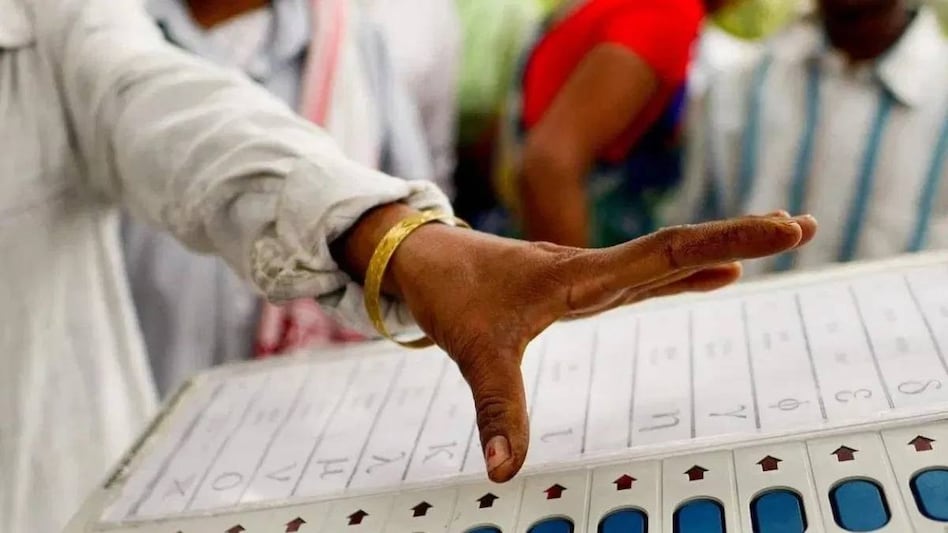
 One of the most striking aspects of the 2021 election was the narrow difference in vote share between the NDA and the opposition alliance.
As Assam waits for the results of the 2026 Assembly elections, political observers are once again revisiting the numbers from the fiercely fought 2021 contest that returned the BJP-led alliance to power for a second consecutive term. The previous election remains crucial to understanding the state’s political landscape because it highlighted how alliances, regional equations and vote conversion strategies can shape outcomes in Assam’s 126-seat Assembly.
In the 2021 Assembly election, the BJP-led National Democratic Alliance (NDA) secured 75 seats, comfortably crossing the majority mark of 64. The opposition “Mahajot” alliance, led by the Congress, won 50 seats, while one seat went to an independent-backed regional force.

 UPI stays free: Finance Ministry bars charges on transactions up to Rs 2,000
 'Don't kill the Golden Goose': Trump says US must keep its AI lead over China
 Made-in-India cars are winning over Japan! Maruti powers nearly two-thirds of Suzuki's global production
 Amazon bets big on value commerce as Bazaar grows 5X, expands beyond Tier-2 and Tier-3 India
 Inflation heats up: Food prices rise, crude crosses $100; what it means for your wallet
 Why Crude Oil Prices Are Rising Again Now?
 Modi Xi Meet After 7 Years In India Signals Possible Reset In Bilateral Ties
 BRICS Summit 2026: India Secures New Delhi Declaration After Intense Negotiations
 BRICS Summit 2026: Modi’s Big Diplomatic Win As New Delhi Declaration Gets Backing
 Dario Amodei, Sam Altman, Elon Musk Back AI Slowdown Call Amid Growing Safety Concerns
 Varun Beverages shares slip 25% from 52-week high; more downside ahead?
 Uno Minda gets 'IND A1+' credit rating for commercial papers from India Ratings
  Karnataka Bank, Pondy Oxides, ITDC, Blue Dart among stocks to turn ex-dividend on September 15
 Stock market outlook: Crude oil prices, US Fed's policy decision among key factors to watch out for this week
 Raghav Productivity Enhancers' subsidiary bags patents for quartz processing
 Ladakh’s Tso Kar rescue: Can 320 million litres of glacier water change its fate
 Amazon Great Indian Festival 2026: Rufus AI reveals possible sale dates, deals and ways to save more
 FD rate war: Small finance banks widen gap with SBI, HDFC Bank and ICICI Bank
 Gold, GIFT City and staggered investing: Here’s an expert's playbook for market uncertainty
 FDI drops to $1 trillion, remittances rise 240%: World Bank flags global shift. Where India stands?












