


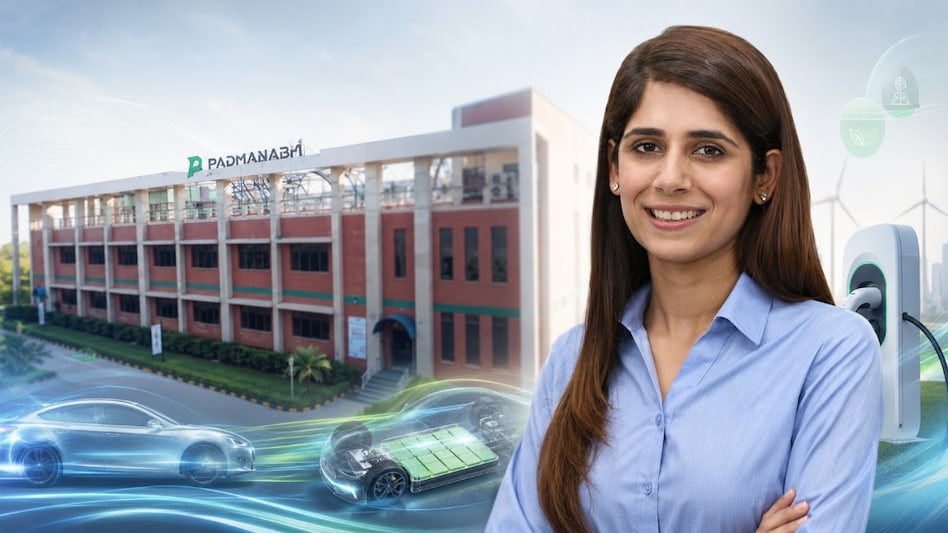
 PVNA Group COO Viveka Bhandari told Business Today TV (AI generated)
PVNA Group is looking to accelerate growth through exports, new technologies, and acquisitions, as the automotive component maker seeks to build on three decades of engineering-led expansion and capitalise on global supply chain shifts, Chief Operating Officer Viveka Bhandari told Business Today TV.
Bhandari said the company's founding vision remains unchanged since its inception in 1991: proving that advanced automotive products can be designed, developed, and manufactured in India.

 India goes big on defence: Rs 1.10 lakh crore acquisition plan cleared. What Army, Navy, IAF will get
 GDP is not enough: UN expert group proposes 31 indicators to measure a nation's progress
 Russia ready to supply as much oil as India needs: Kremlin envoy blasts 'pressure tactics' on New Delhi
 RPG Life Sciences to launch GLP-1 drug in October after ₹215 crore API acquisitions
 Adani stocks: GQG searching for buyers for stake sale? What you need to know
 Non-Local Electric Bus Software Is A National Security Risk, Warns Eka Mobility Chairman Sudhir Mehta
 Mounjaro Sales Surge 502%: Why GLP-1 Drugs Are Taking Over India’s Pharma Market
 Auto Stocks Outlook: Why Investors Should Be Cautious Despite New Model Launches And Strong Demand
 U.S.-Iran War, Elevated Crude Hit Indian Stocks: Can Nifty Reverse Its Downward Trajectory Now?
 Crude Oil, Gold & Silver: What’s The Next Big Move? | Kunal Shah
 Tata Steel, Hindustan Copper, Lloyds Engineering shares: Expert weighs in; names top pharma, broking bets
 Adani Power secures LoI to acquire GVK Energy; details here
 Two upper circuits for Sterlite Technologies shares as firm discloses FY29 targets
 Sensex falls 383 points, Nifty settles at 23,779; IT, metals among top drags
 APL Apollo Tubes, KDDL, Globus Spirits among 11 stocks to turn ex-dividend tomorrow
 Malaysia Airlines flight makes emergency landing at Chennai airport after engine problem
 ₹75 lakh up for grabs: Pink Power Run 3.0 to draw 20,000 runners in Hyderabad with 4 races and half marathon
 Reliance Finance case gets bigger: CBI chargesheets 17 more over alleged ₹6,229 crore diversionTata Steel, Hindustan Copper, Lloyds Engineering shares: Expert weighs in; names top pharma, broking bets
 'Open every gate': Suresh Gopi stops at toll plaza, orders all 12 gates open after seeing 2-km traffic jam












