
Pakistani pilots swore they downed Rafales—but they only nailed decoys. India’s X-Guard fooled radar, missiles, and even combat footage in a masterclass of military misdirection.

Towed 100 meters behind a Rafale, the X-Guard mimics jet movements so precisely, even Chinese-made PL-15E missiles can’t tell it’s a bluff. It’s a flying lie—and it works.

At just 30 kg, the X-Guard behaves like a real fighter jet in the sky, using AI and 500-watt jamming to become a ghost twin that absorbs enemy fire before it hits flesh and metal.

In May 2025, Pakistan fired missiles. India let them. X-Guards soaked up the hits, while real Rafales watched, intact, from a safe distance. The decoys even fed false kill confirmations.

Pakistan’s prized PL-15Es homed in like bloodhounds—on decoys. Lacking anti-spoofing tech, the missiles became million-dollar duds thanks to a 2-second deployable fiber-optic bluff.
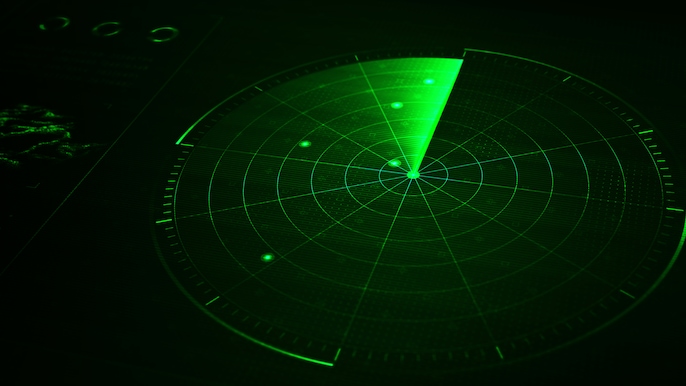
Even AESA radars on Pakistan’s J-10Cs couldn’t tell fake from real. The X-Guard didn’t just dodge detection—it actively fed back a perfect mimic signal. Radar truth? Optional.
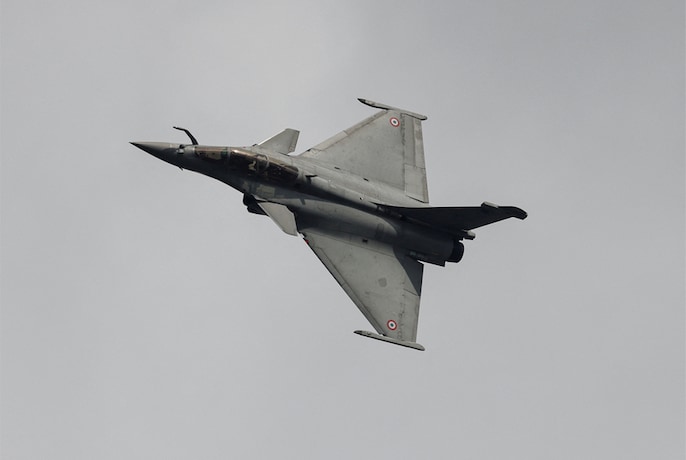
What looks like a Rafale, flies like a Rafale, and disappears before impact? In Operation Sindoor, the X-Guard made deception a doctrine. Pakistan never saw the real threat coming.

Indian pilots got real-time updates through a fiber-optic feed, letting them dodge missiles and even retrieve the X-Guard after combat. The decoy wasn't just bait—it was a tool.

A U.S. Air Force veteran called it “the best spoofing and deception we’ve ever seen.” The X-Guard has quietly redrawn the lines of 21st-century electronic warfare—and Pakistan learned it the hard way.
 PM Modi Highlights 5 Agricultural Revolutions Transforming India's Farming Sector
 FDs Vs Equity: Should Women Rethink Their Investment Strategy To Achieve Long-Term Financial Goals?
 Gold Jewellery vs Gold ETFs: Which Is Better for Investment? Mrin Agarwal Explains
 PM Modi Criticises Past Governments Over Farmers’ Welfare At Agriculture Conclave
 SIP Strategy: Should You Continue, Increase Investments Or Rebalance Your Mutual Fund Portfolio?