








 This is the first major private gold mining project post-Independence, indicating regulatory and investment momentum.

 This is the first major private gold mining project post-Independence, indicating regulatory and investment momentum.
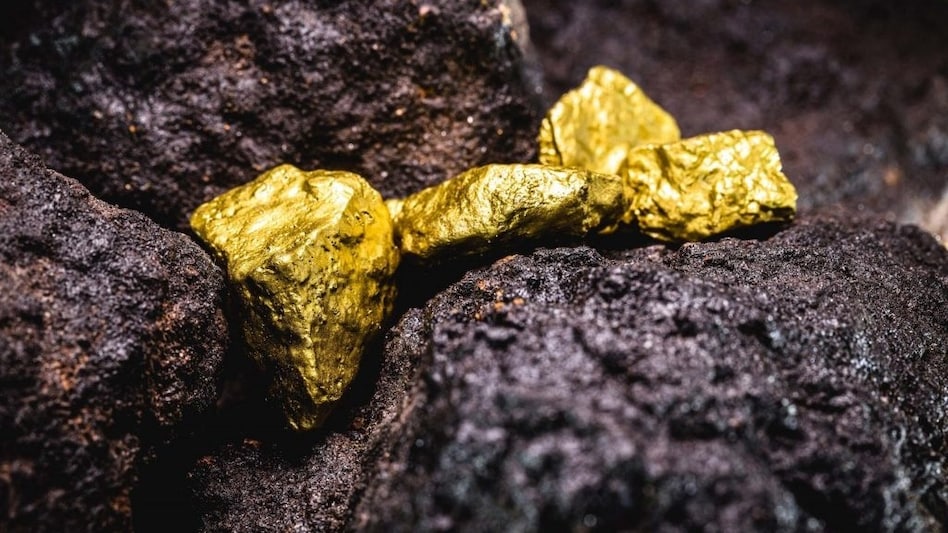
 India is on the cusp of a significant shift in its gold story. In the mineral-rich district of Kurnool, the Jonnagiri gold project — the country’s first large-scale private gold mine since Independence — is set to begin operations in May 2026.
For a nation that consumes vast quantities of gold but produces very little, the development is being seen as both symbolic and strategic. But the bigger question remains: can one mine really dent India’s massive import dependence?
Historic shift in India’s mining landscape
The Jonnagiri project marks a turning point for India’s mining sector, which has historically been dominated by public-sector operations such as Hutti Gold Mines Limited, especially after the closure of Kolar Gold Fields in 2001.
Developed by Geomysore Services with backing from private investors, the project involves:
The mine uses modern extraction techniques such as open-pit mining and carbon-in-leach processing, signalling a technologically updated approach to gold production in India.
India’s gold problem: Heavy imports, low domestic output
India is the world’s second-largest gold consumer, driven by jewellery demand, investment, and cultural traditions. However:
This imbalance puts pressure on:
Gold is among India’s largest import items after crude oil.
Will the Andhra gold mine reduce import dependence?
Short answer: Not immediately — but it’s a crucial start. At full capacity, Jonnagiri will produce about 1 tonne per year — a fraction of India’s 700-800 tonne demand.
Why it still matters
1. Signals a policy and structural shift: This is the first major private gold mining project post-Independence, indicating regulatory and investment momentum.
2. Could unlock more exploration: Experts believe success here could lead to multiple new mining projects, potentially raising domestic output to 50-100 tonnes annually over time.
3. Reduces marginal import pressure: Even small increases in domestic supply can help reduce import bills at the margin, especially when gold prices are high.
4. Boosts ‘Aatmanirbhar Bharat’ goals: The project aligns with India’s push for resource self-reliance and domestic value creation.
India’s gold dependency is deeply structural — rooted in culture, savings patterns, and limited geological exploration. One mine alone cannot rewrite that equation.
 Iranian crude re-enters global markets as US grants 60-day waiver; WTI slips below $74
 WhatsApp gets a new boss: Kunal Shah to lead platform as Meta bets $900 million on CRED
 India wants to make more at home. So why are imports still surging?
 From BrahMos to Akashteer: UAE explores buying India's frontline defence systems
 No rank on CV? IITs' new placement rule asks students to drop JEE, GATE scores. Here's why
 Snap Specs Smart Glasses, Redmi Turbo 5 & OnePlus N Series Launch | Tech Gear EP 7 | Business Today
 US Visa Rules Set For Major Overhaul | What It Means For 3.5 Lakh Indian Students
 Market Rally Resumes! Nifty Gains, Crude Falls | What's Next For Investors?
 UAE In Talks To Buy BrahMos Missiles? | Big Boost For India's Defence Exports
 CEO-Style Governance & Direct Action: CM Vijay’s First Month Decodes The Shift From Stalin’s Era!
 Sensex, Nifty trim gains but settle higher; what's ahead for investors?
 Nearly 121x profit! HFCL promoter's Rs 10 Jio Platforms bet may yield a Rs 5,800 crore holding
 Explained: Open market share buybacks are back, what this means for Indian investors
 Kirloskar Brothers shares jump 7%; key technical levels to watch out for
 CONCOR shares set for 27% upside despite weak Q1 expectations, says Jefferies