


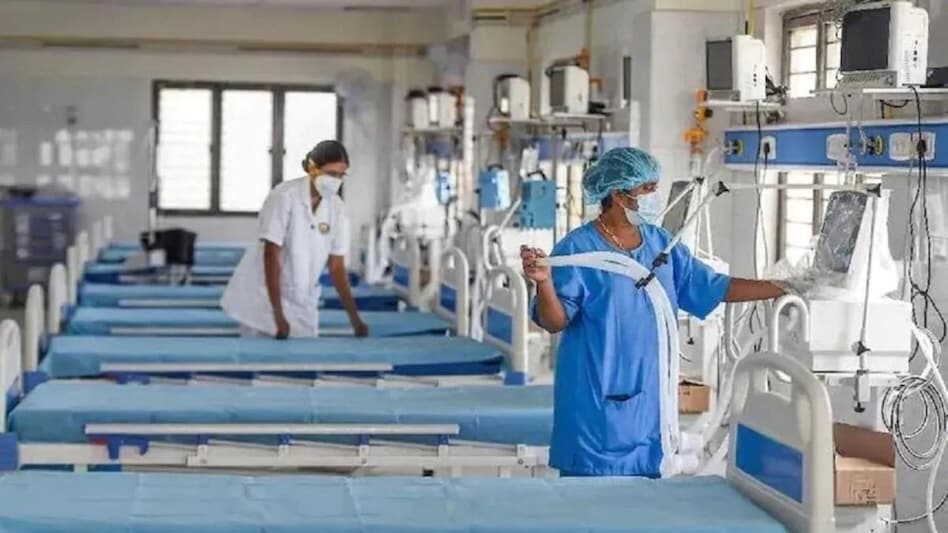
 Hospital groups are expanding infrastructure to meet rising demand for organised private healthcare.
Private equity (PE) investors are increasingly taking controlling stakes in hospital chains in India, and research and industry analysis suggest that greater financial ownership in healthcare could influence how hospitals allocate capital, expand services and price treatments in the private healthcare market.
A paper by Vivek Nenmini Dileep, published in the Global Health Journal in December, argued that the expansion of investor-backed healthcare platforms through acquisitions and network growth across multiple cities has contributed to what he describes as the “corporatisation and consolidation of healthcare services” in the country’s private healthcare system.

 'RBI letter does not mention listing': Noel Tata seeks full briefing on Tata Sons-RBI talks
 Tata Trusts asks Tata Sons to explore options other than listing, says ‘Tata Model has to be saved’
 Tata Trusts proposes ₹25,000 crore plan for SP Group, says Tata Sons listing is not an option
 Chandrasekaran had assured all necessary steps were being taken to remain private: Noel Tata
 'We cannot put the cart before...': Noel Tata's argument against N Chandrasekaran's reappointment
 How India Changed In 12 Years: PM Modi’s Journey From Economic Reforms To Viksit Bharat
 Modi @76: From Twitter To Instagram, How His Digital Outreach Has Evolved
 Stock Picks To Watch: Shibani Kurian Reveals Kotak AMC’s Market Bets
 Gold ETF vs Physical Gold: Know the Tax Rules, Charges and Key Differences
  PPF vs NPS: Tax Benefits, Returns and Lock-in Period Explained for Retirement Planning
 Hero Motors IPO subscribed 3.37 times on Day 2; retail portion subscribed over 5 times
 NSE IPO: India's largest exchange gets 43% subscription on Day 1; NIIs, retail see strong demand
 Rentomojo shares settle maiden trade nearly 32% above IPO price; what should investors do now?
 Sensex slips, Nifty settles higher; Tata stocks gain after N Chandrasekaran reappointment
 Cochin Shipyard, KRBL, RITES, Ramky Infrastructure among stocks to turn ex-dividend on September 18
 Micron workers reject 68 months’ pay, demand 15% of AI boom profits
  Australia to restrict family visas for international students: What Indian applicants need to know
 ₹11.5 lakh fine after 132 years! Magazine borrowed in 1894 finally returned to library
 From a 10-year-old fashion designer to a 5-year-old yoga instructor: Meet Guinness World Records’ Young Achievers 2027
 Tata Sons listing explained: Why the holding company was required to go public












