


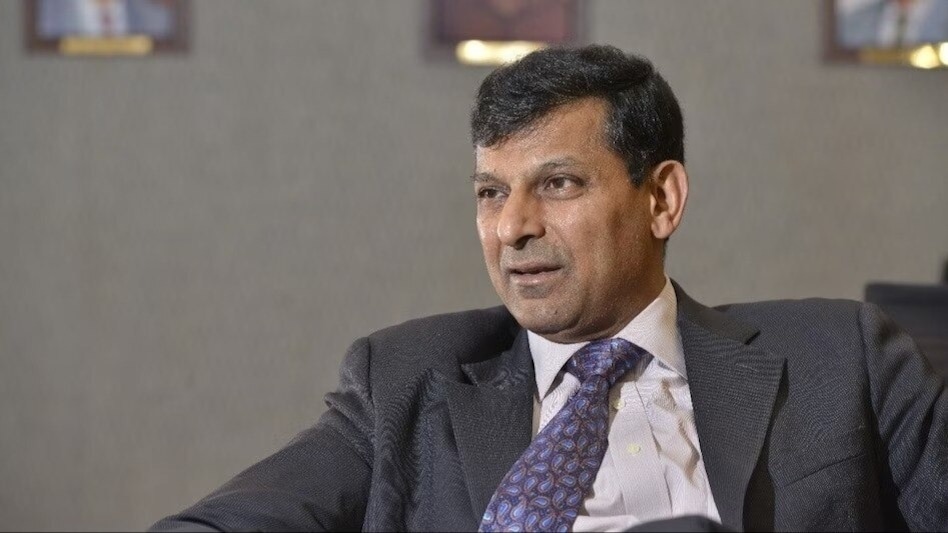
 Former RBI Governor Raghuram Rajan
 Former RBI Governor Raghuram Rajan has stated that India's "natural alliance" is not with China, citing deep historical mistrust between the two neighbours. "I don't think India's natural alliance is with China. There's too much of a history between the two countries for it to disappear in the space of a few months or because of frictions with the United States," Rajan said in a podcast conversation with SparX's Mukesh Bansal.
The economist cautioned that while friendship with Beijing cannot be ruled out, it would require years of confidence-building measures. "Friendship comes from a long history of confidence-building measures and a history of good behavior vis-à-vis each other. I think it's too soon to say that we are strong friends with China," he said.

 Nirmala Sitharaman backs India’s 10% plus growth potential, highlights role of startups, technology
 SIR voter list: ECI extends claims deadline for Delhi, Maharashtra; check new dates
 NSE empanels Augmont as key partner to promote Electronic Gold Receipts
 US govt vs Anthropic: DC appeals court upholds Pentagon blacklist order. What it means?
 Historic! Home loans in India are now cheaper than the US -- What NRIs must know
 R Veeramani Case: Granite Tycoon Faces Widening POCSO Probe In Chennai
 Gen Z And Money: Why Young Investors Want Quick Returns Over Long-Term Wealth Creation
 How Is Alexa+ Different? Will It have Ads Even If You Pay? Exclusive Chat
 Demand Robust Across Segments | Production To Ramp Up, Exports To Expand: Vivek Srivatsa
 GST Council To Meet On October 7: Invoice Matching, ITC & UPI MDR Tax In Focus
 IPO rush: Four IPOs conclude today; check subscription status, other details of issues still open
 Meesho shares slip 7% as Nomura assigns 'reduce' call; here's what the brokerage says
  Sensex, Nifty extend losing streak to seventh week, longest since 2020: What's next?
 Suzlon in bear grip: Oversold signals emerge near 52-week low for the stock
  EIL shares jump 7% to hit record high; stock up nearly 62% in six months: What's driving the rise?
 ₹469 crore investment gets ground for implementation in UP’s YEIDA regionSIR voter list: ECI extends claims deadline for Delhi, Maharashtra; check new datesNirmala Sitharaman backs India’s 10% plus growth potential, highlights role of startups, technology
 'Last World Cup I’m going to play...': Virat Kohli confirms 2027 will be his final ODI World Cup
  Rohit Sharma recalls Shikhar Dhawan partnership, says their 'Faltu ki baatein' kept pressure away












