


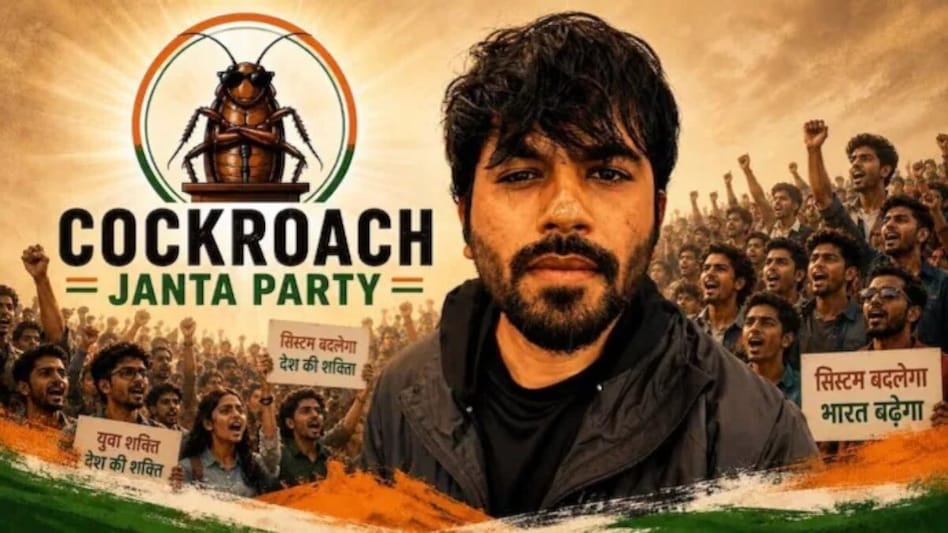
 On June 6, CJP organised its first physical protest at Jantar Mantar in New Delhi.
 Union Education Minister Dharmendra Pradhan's resignation marks the biggest political development amid the ongoing protest against NEET paper leak led by the Cockroach Janta Party (CJP), bringing a partial closure to a movement that has dominated national headlines for over two months.
While CJP has welcomed the resignation as a major victory, the student-led organisation says its agitation is far from over, insisting that comprehensive examination reforms, accountability for alleged paper leaks, and systemic changes to India's education system remain its core demands. Here's how the movement unfolded.
 Tata Trusts opposes N Chandrasekaran reappointment, says board resolution is ‘legal nullity’
 'It is now time to move on': Noel Tata opposes Chandrasekaran's fresh term at Tata Sons
 N Chandrasekaran reappointed for 5 yrs as Tata Sons Chairman; board approves public listing
 Tata Sons IPO: Board approves listing on stock exchanges
 NSE IPO day 1 update : Issue subscribed 31% so far; NIIs, employees lead bidding | Key details
 NSE Vs BSE Valuations: Gaurang Shah Compares India's Leading Stock Exchanges And Their Growth
 Commodity Outlook LIVE | What's Next For Gold, Silver & Crude Oil
 NSE IPO : Can India's Stock Market Growth Drive Long-Term Wealth Creation?
 NSE Anchor Book Gets 20X Demand: Gaurang Shah On Investor Confidence & Valuation
 NSE Outlook Should Investors Subscribe At ₹1,785? Gaurang Shah On Valuation & Risks
 Sensex slips, Nifty settles higher; Tata stocks gain after N Chandrasekaran reappointment
 Cochin Shipyard, KRBL, RITES, Ramky Infrastructure among stocks to turn ex-dividend on September 18
 Kalyan Jewellers, PC Jeweller, Thangamayil Jewellery, Titan: Jewellery stocks suffer double whammy; here's why
  Tata stock to buy: Jefferies says buy this stock for 23% upside
 Nalco shares: Buy, hold or sell? Target price after 14% rise this yearSensex slips, Nifty settles higher; Tata stocks gain after N Chandrasekaran reappointment
 Going home to Bihar for Diwali or Chhath? New Delhi–Darbhanga special train dates and timings are hereCochin Shipyard, KRBL, RITES, Ramky Infrastructure among stocks to turn ex-dividend on September 18'It is now time to move on': Noel Tata opposes Chandrasekaran's fresh term at Tata SonsKalyan Jewellers, PC Jeweller, Thangamayil Jewellery, Titan: Jewellery stocks suffer double whammy; here's why












