


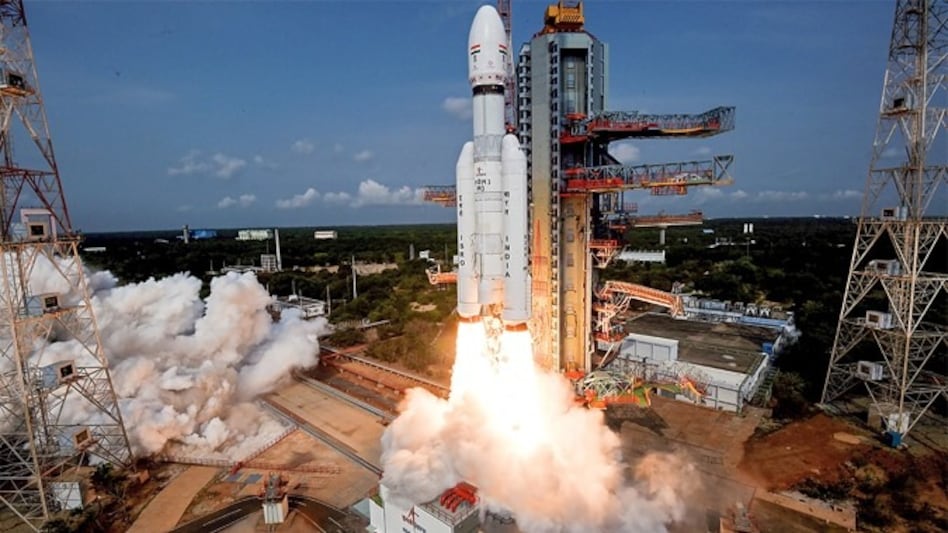
 The success of CMS-03 is far more than a technical achievement — it is a strategic leap toward India’s self-reliance in high-capacity satellite technology.
India’s space odyssey reached another defining moment on Sunday as the Indian Space Research Organisation (ISRO) successfully launched CMS-03, the heaviest communication satellite ever built and flown from Indian soil, aboard its indigenously developed LVM3-M5 ‘Bahubali’ rocket.
Weighing 4,410 kilograms, the satellite was precisely placed into a Geosynchronous Transfer Orbit (GTO), marking a flawless execution of one of ISRO’s most complex missions to date.

 US govt vs Anthropic: DC appeals court upholds Pentagon blacklist order. What it means?
 Repeated ₹2,000 UPI payments for one purchase? Your bank could flag the pattern: What it means
 IRDAI’s new insurance distribution model: IDE vs IDP explained, and what it means for policyholders
  Historic! Home loans in India are now cheaper than the US -- What NRIs must know
 India-US trade deal '90-per cent-plus there,' says senior US official ahead of key visits
 R Veeramani Case: Granite Tycoon Faces Widening POCSO Probe In Chennai
 Gen Z And Money: Why Young Investors Want Quick Returns Over Long-Term Wealth Creation
 How Is Alexa+ Different? Will It have Ads Even If You Pay? Exclusive Chat
 Demand Robust Across Segments | Production To Ramp Up, Exports To Expand: Vivek Srivatsa
 GST Council To Meet On October 7: Invoice Matching, ITC & UPI MDR Tax In Focus
 IPO rush: Four IPOs conclude today; check subscription status, other details of issues still open
 Meesho shares slip 7% as Nomura assigns 'reduce' call; here's what the brokerage says
  Sensex, Nifty extend losing streak to seventh week, longest since 2020: What's next?
 Suzlon in bear grip: Oversold signals emerge near 52-week low for the stock
  EIL shares jump 7% to hit record high; stock up nearly 62% in six months: What's driving the rise?
 'Inappropriate to ask students about...': Prof Doolla’s 2024 email resurfaces amid IIT Bombay student death case
 'India must make no mistake about it': At UN, Shehbaz Sharif warns about 'act of war' over Indus waters
 19 died in Nagaland after suspected adulterated liquor consumption, police launch probeIRDAI’s new insurance distribution model: IDE vs IDP explained, and what it means for policyholders R Veeramani Case: Granite Tycoon Faces Widening POCSO Probe In Chennai












